
1
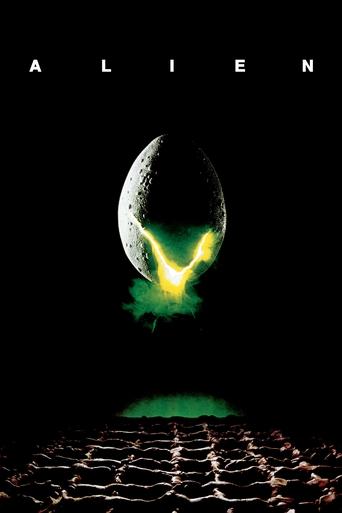
Alien
Ridley Scott's claustrophobic sci-fi horror masterpiece, produced by 20th Century-Fox during a period of corporate instability.

Chain
From the ashes of mergers and acquisitions come some of cinema's most fascinating experiments. This chain traces how boardroom decisions shaped the art on screen.
Cinema has always been a business, but sometimes the business becomes the story. When studios merge, when libraries change hands, when executives gamble on synergy, the fallout lands on the screen. This chain is not about the deals themselves, but about the films that emerged from those tectonic shifts: productions greenlit for tax reasons, franchises revived for brand recognition, and personal visions that slipped through the cracks of corporate restructuring.
We begin with a film that exists because of a merger: Alien (1979), produced by 20th Century-Fox during a period of corporate upheaval that nearly killed it. The studio's willingness to back a risky sci-fi horror hybrid set the tone for a decade of bold bets. From there, we follow the threads of ownership and influence: how a Japanese conglomerate's purchase of Columbia Pictures shaped the ambitions of a young director, how a television network's acquisition of a film studio produced one of the most personal blockbusters of the 1990s, and how a merger of equals in the 2000s nearly buried a masterpiece.
Each connection is a lesson in how money moves art. Sometimes the result is a happy accident, like a studio so distracted by merger negotiations that it forgot to interfere with a director's wild vision. Sometimes it is a tragedy, like a film shelved for years because the new owners did not know what to do with it. And sometimes it is a miracle, like a director using the chaos to smuggle in a deeply personal story under the guise of a franchise.
This is not a chain of corporate documentaries. It is a chain of films that happen to be, in one way or another, the children of mergers. Some are celebrated, some are cult favourites, and one was almost lost forever. Together, they show that even the most cynical boardroom decisions can, against all odds, produce art that outlives the deal that spawned it.
Ridley Scott's claustrophobic sci-fi horror masterpiece, produced by 20th Century-Fox during a period of corporate instability.
Alien → The Last Emperor
The Link
Columbia's new Japanese ownership gave Bertolucci unprecedented freedom and resources, resulting in a film that feels both epic and intimate, a product of the very merger that made it possible.
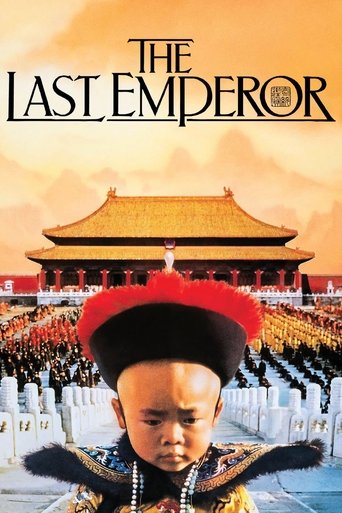
Bernardo Bertolucci's sweeping biopic of Puyi, the last emperor of China, produced by Columbia Pictures during its acquisition by Sony.
The Last Emperor → The Silence of the Lambs
The Link
Orion's collapse meant the film had no corporate safety net, yet that very instability allowed Demme to make a film that was dark, uncompromising, and utterly original, proving that artistic risk can thrive in chaos.
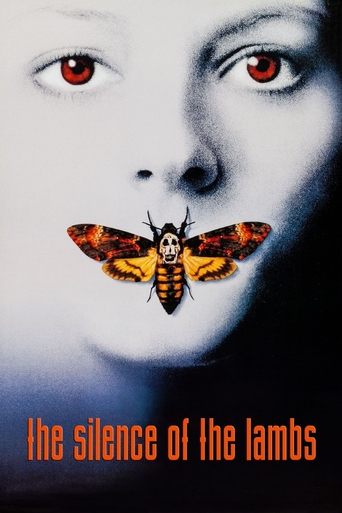
Jonathan Demme's Oscar-winning thriller, released by Orion Pictures just before the studio's bankruptcy, a film that defined a genre in its final days.
The Silence of the Lambs → The Lord of the Rings: The Fellowship of the Ring
The Link
The chaos of the AOL-Time Warner merger meant New Line was left alone to greenlight Jackson's ambitious trilogy, a decision that would redefine fantasy cinema and prove that sometimes the best corporate move is to stay out of the way.
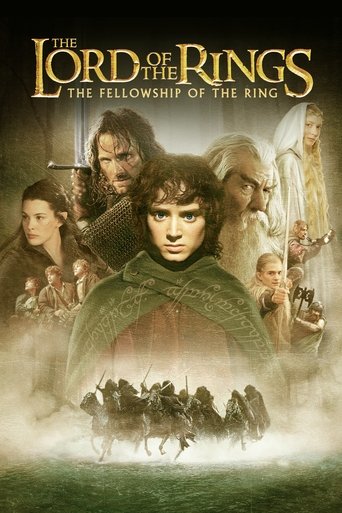
Peter Jackson's adaptation of Tolkien's classic, produced by New Line Cinema, a subsidiary of Time Warner, during the AOL-Time Warner merger.
The Lord of the Rings: The Fellowship of the Ring → The Golden Compass
The Link
New Line had gambled on another fantasy franchise to repeat its Tolkien success, but The Golden Compass became a costly disappointment in the US. Within months, the studio was absorbed into Warner Bros, making its troubled production the beginning of the end for New Line as an independent studio.
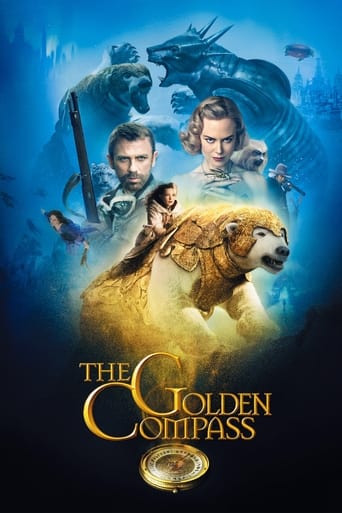
Chris Weitz's adaptation of Philip Pullman's His Dark Materials, produced by New Line Cinema as the studio struggled to follow the enormous success of The Lord of the Rings.
The Golden Compass → The Dark Knight
The Link
As New Line was being folded into Warner Bros, The Dark Knight showed what the newly consolidated studio could achieve when it backed a filmmaker with enormous creative ambition. The film became a phenomenon, turning the corporate merger that threatened New Line's identity into the machinery behind one of Hollywood's biggest successes.
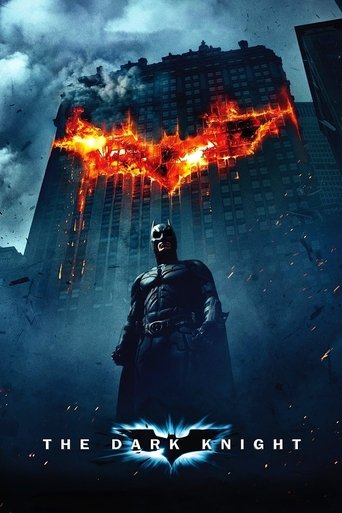
Christopher Nolan's second Batman film, produced by Warner Bros during the final days of New Line Cinema as an independent studio.
The Dark Knight → The Hobbit: An Unexpected Journey
The Link
The studio that had gambled everything on The Lord of the Rings was now part of Warner Bros, while MGM's financial collapse had left the rights to Tolkien's The Hobbit hanging in the balance. The resulting trilogy became a literal marriage of two troubled Hollywood legacies.
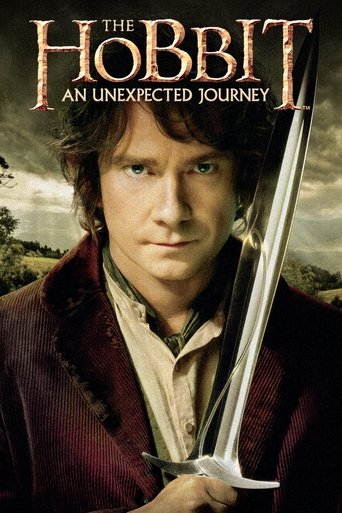
Peter Jackson's return to Middle-earth, produced by New Line Cinema and MGM after the two studios emerged from very different periods of financial and corporate turmoil.
The Hobbit: An Unexpected Journey → No Time to Die
The Link
No Time to Die became MGM's last Bond film before Amazon acquired the studio, turning one of Hollywood's oldest names into part of a technology company's entertainment empire. The film therefore marks the moment when the old studio system finally meets its new corporate owner.

Daniel Craig's final James Bond film, produced by MGM and Eon Productions during MGM's struggle to secure its future and the upheaval of the COVID era.
Related Chains

20 films
10 films
7 films
8 films
8 films
4 films
Explore
Log in to leave a comment.
No comments yet.