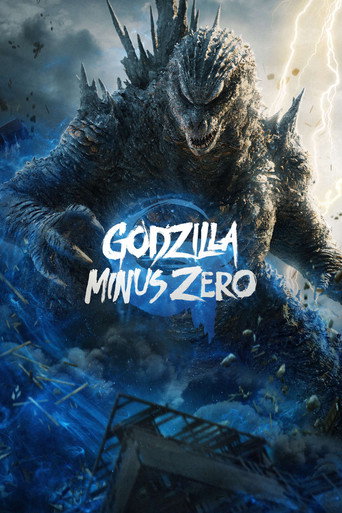
Godzilla Minus Zero
The newest entry in the Godzilla cycle, set two years into a hard-won recovery that a fresh monster threatens to erase. Its title frames catastrophe as arithmetic: zero was not the bottom.
Chain
A journey through Japanese cinema's reckoning with ruin, from the newest Godzilla to the older, stranger monsters that refuse to stay buried.
Godzilla Minus Zero arrives with a title that reads like a warning. War had already reduced Japan to nothing; the monster dragged it below the line. Two years of grinding recovery have passed when the new threat lands, and the film's premise is brutally simple: there is no third time. What makes the Godzilla cycle endure is not the spectacle of destruction but the way each era's films metabolise whatever the country is currently afraid of, and this latest entry inherits a lineage that has been doing that work since 1954.
The chain that follows traces that inheritance through some of Japanese cinema's most unsettling responses to catastrophe. Ishiro Honda's original is the obvious anchor, but the deeper current runs through films that abandon the monster suit altogether. Woman in the Dunes turns entrapment into a philosophy of endurance. Black Rain refuses consolation. Onibaba finds appetite and violence in a landscape of ruin. Together they show a national cinema that has never treated recovery as a clean arc, only as a series of negotiations with what cannot be buried.
What binds these films is form. Each one converts trauma into a distinctive visual and sonic system: Honda's miniature-scale dread, Teshigahara's sand-blasted abstraction, Imamura's unflinching black-and-white, Shindo's wind-whipped grass. The monsters are not always literal. Sometimes they are a pit, a silence, a hunger. Watching them in sequence reveals how Japanese film-makers kept finding new shapes for the same reckoning, and why the Godzilla tradition remains a living argument rather than a franchise.
The newest entry in the Godzilla cycle, set two years into a hard-won recovery that a fresh monster threatens to erase. Its title frames catastrophe as arithmetic: zero was not the bottom.
Godzilla Minus Zero → Godzilla
The Link
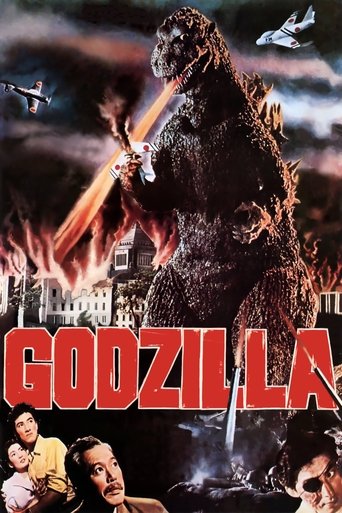
The obvious ancestor, but worth revisiting first: Minus Zero's premise of recovery interrupted is a direct descendant of Honda's vision of a nation barely out of ruin. Watching the original now clarifies how much of the new film's dread is inherited rather than invented.
Ishiro Honda's original, still the most sombre film in the series. The miniature work and Akira Ifukube's score carry a grief that the later, brighter sequels would soften.
Godzilla → Woman in the Dunes
The Link
Honda's monster is external; Teshigahara's is the pit itself. Both films ask what survival costs, but Woman in the Dunes strips away the spectacle and leaves only the daily labour of staying alive, which is the quieter half of Minus Zero's premise.
Hiroshi Teshigahara's sand-drowned parable of a man trapped in a pit with a woman who has made peace with the work. Toru Takemitsu's score and the close-up textures of skin and grain make it one of the most tactile films of the 1960s.
Woman in the Dunes → Black Rain
The Link
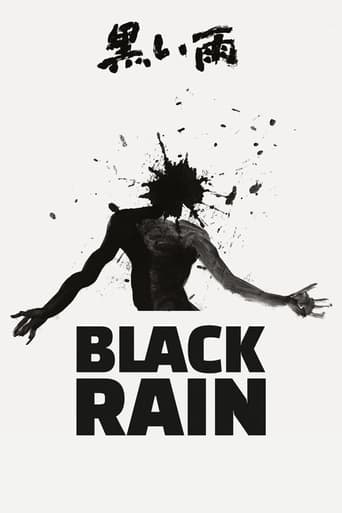
Where Teshigahara abstracts catastrophe into allegory, Imamura insists on the specific, the bodily, the bureaucratic. The film's long tail of illness and prejudice is the human version of Minus Zero's 'no third time': ruin that keeps arriving after the event.
Shohei Imamura's account of Hiroshima's aftermath, following a family years after the blast as radiation sickness and social stigma erode their lives. Shot in stark black-and-white, it refuses the consolations of memorial cinema.
Black Rain → Onibaba
The Link
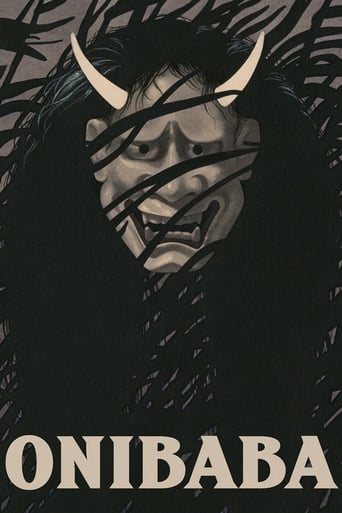
Imamura's ruined families give way to Shindo's primal survival, where catastrophe has receded into a permanent condition. The grass field is a landscape of aftermath, and the mask is the monster that Minus Zero's Godzilla shares: a shape that turns human fear into something visible.
Kaneto Shindo's medieval fable of two women surviving in a field of tall grass, preying on wounded samurai. The wind, the mud and the demon mask make it a horror film about appetite rather than ghosts.
Onibaba → Fires on the Plain
The Link
Shindo's medieval survivors and Ichikawa's modern soldier share a stripped-down moral landscape. This is the war that produced the zero in Minus Zero's title, rendered without monster or metaphor.
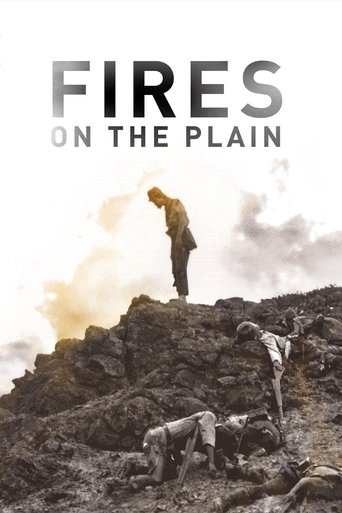
Kon Ichikawa's harrowing account of a Japanese soldier stranded in the Philippines, reduced to scavenging and worse. The film's washed-out palette and matter-of-fact brutality make it one of the great anti-war films.
Fires on the Plain → The Face of Another
The Link
From Ichikawa's physical ruin to Teshigahara's psychological one: the mask is another monster, a new face that cannot be trusted. It returns the chain to the question Minus Zero raises about what recovery actually restores.
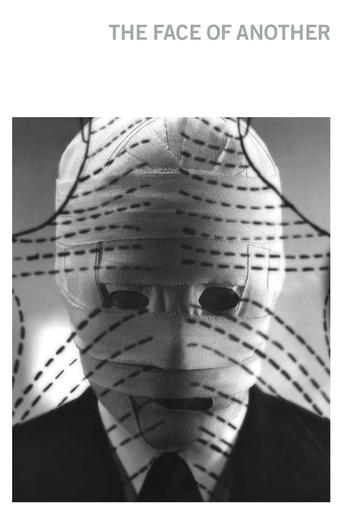
Teshigahara again, with a disfigured man given a lifelike mask and slowly losing his sense of self. The film's cool, clinical imagery and Takemitsu's electronic score make identity itself feel like a special effect.
The Face of Another → Pitfall
The Link
Teshigahara follows his own Face of Another with a colder, earlier study of identity dissolved by landscape: both films place a protagonist in an abstract terrain where doubles and disappearances erode the self. Pitfall's abandoned mines also return the chain to the ground beneath Godzilla, where extraction and catastrophe are already entwined.
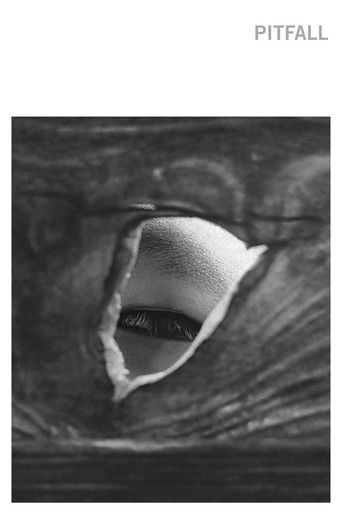
Hiroshi Teshigahara's first feature follows a drifter and his son through a ghost town of abandoned mine shafts, where a miner's murder and a woman in white turn labour into a haunting. The coal dust and desolate framing anticipate the sand of his later work.
Related Chains
Explore
Log in to leave a comment.
No comments yet.