Resident Evil
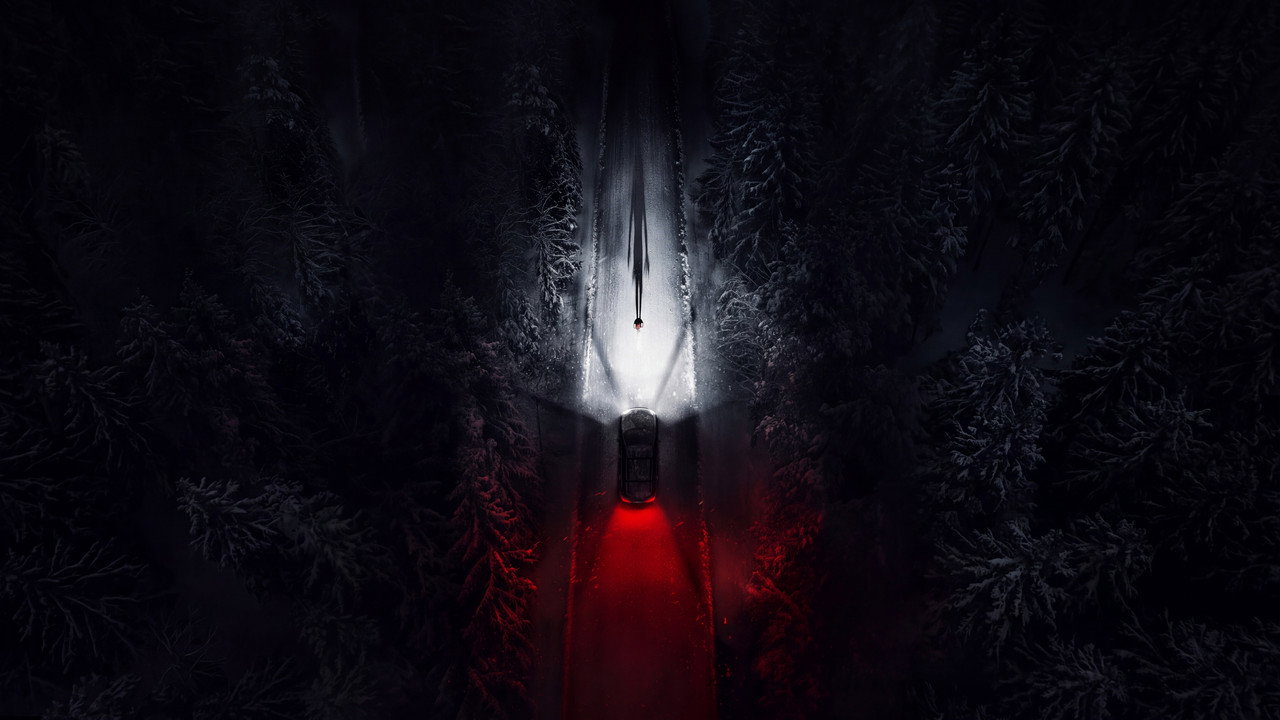
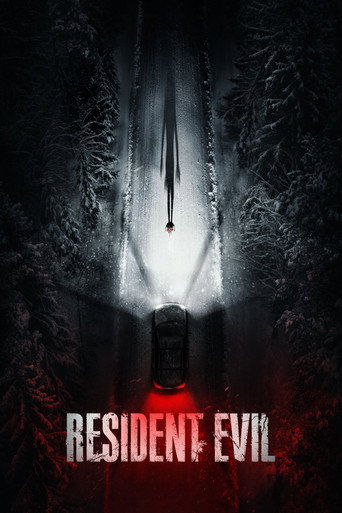
Zach Cregger's reboot collapses the franchise into one man's worst night, with a medical courier named Bryan caught in a city unravelling around him. The scale is studio-sized; the dread is intimate and escalating.
Chain
A journey through the moments when outsider directors were handed studio money and a famous franchise, from Sam Raimi's Darkman to the new Resident Evil. The results are stranger, sadder and more alive than any committee could plan.
Zach Cregger spent years as a cult curiosity before Barbarian turned him into one of the most trusted voices in American horror. Now he has been handed Resident Evil, a franchise that has already survived Paul W. S. Anderson, six sequels and a reboot, and the early word is that his version strips the series back to a single night: a medical courier named Bryan, a collapsing city, and the kind of intimate, escalating dread Cregger builds better than almost anyone working. The interesting question is not whether he can handle the budget. It is what happens to a distinctive low-budget sensibility when a studio finally says yes.
That collision is the subject of this chain. Sam Raimi arrived at Darkman with a cartoonist's energy and a budget that finally let him build the prosthetics he had only mimed in the Evil Dead films, and the result is a superhero movie that feels like a fever dream rather than a product. Peter Jackson took a similar leap with The Frighteners, smuggling his splatter-comedy instincts into a Hollywood ghost story and discovering the visual grammar that would later carry him to Middle-earth. Both films are fascinating precisely because you can feel the tension: the director's personality pressing against the machinery of a franchise.
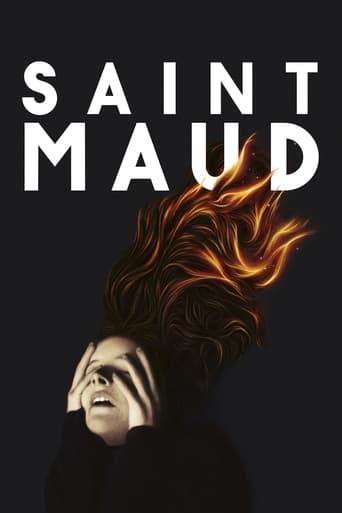
The chain then moves outward, into the British and Irish new wave that has been quietly colonising bigger properties for the past decade. Corin Hardy went from the guerrilla folk horror of The Hallow to a Conjuring spin-off, and the result is a studio film with mud under its fingernails. Rose Glass moved from the bruised body horror of Saint Maud to a muscular American crime picture without losing her taste for obsession. Lynne Ramsay, who never needed a franchise, shows what happens when a singular voice is given a bigger canvas and refuses to sand down its edges. And the chain closes with a reminder that the low-budget origin is never really left behind: it is the thing that makes the studio money interesting.
Watch these in order and a pattern emerges. The directors who survive the transition are the ones who treat the franchise as a set of constraints rather than a set of instructions. Raimi turns Darkman into a tragedy of identity. Jackson turns The Frighteners into a meditation on grief with a madcap ghost detective at its centre. Cregger, if the early signs are right, turns Resident Evil into a single-night survival story about a man who does not understand what is happening to him. The money changes the scale. It does not have to change the voice.
Zach Cregger's reboot collapses the franchise into one man's worst night, with a medical courier named Bryan caught in a city unravelling around him. The scale is studio-sized; the dread is intimate and escalating.
Resident Evil → Darkman
The Link
Cregger's Resident Evil is the same bargain struck thirty-six years later: a genre director with a cult following handed a franchise and a budget. Raimi shows what it looks like when the personality wins.
Sam Raimi's first studio picture is a superhero film with the texture of a Universal monster movie, built around Liam Neeson's bandaged, furious performance and a prosthetic face that keeps slipping. It is the template for a cult director taking studio money without losing the fever.
Darkman → The Frighteners
The Link
Where Darkman keeps Raimi's comic-book energy, The Frighteners shows Jackson smuggling his splatter-comedy instincts into a studio ghost story. Both films are about directors discovering what their voice sounds like with more money behind it.
Peter Jackson's Hollywood debut dresses a grief story in ghost-detective slapstick, with Michael J. Fox as a con man who can see the dead. The set pieces are inventive, but the film's real subject is loss, which is why it lingers.
The Frighteners → The Hallow
The Link
The Frighteners proved a cult director could graduate to studio scale; The Hallow is the modern equivalent, a low-budget calling card that got Hardy the Conjuring spin-off. The chain now shifts from Hollywood to the British and Irish wave.
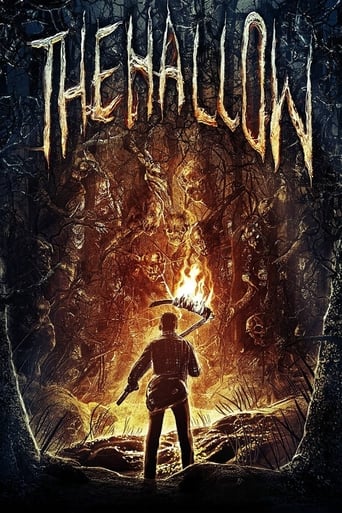
Corin Hardy's debut traps a young family in an Irish forest where the folk creatures are practical, wet and genuinely threatening. It is a calling-card film, made on a small budget with a clear sense of what Hardy wanted to do next.
The Hallow → The Nun
The Link
The Hallow was the audition; The Nun is the result of a distinctive low-budget voice being handed a major property. Hardy's visual instincts survive the transition, which is exactly what this chain is tracking.
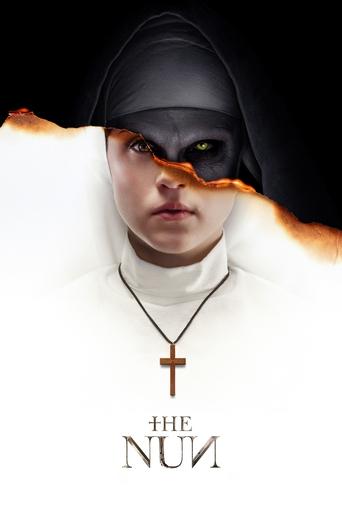
Hardy's Conjuring spin-off sends a priest and a novice to a Romanian abbey, and the film's best moments are pure gothic atmosphere rather than jump-scare mechanics. It is a studio franchise entry with mud on its boots.
The Nun → Saint Maud
The Link
The Nun shows a British director working inside a franchise; Saint Maud shows one building something entirely her own. It belongs here because Glass's next move was the leap this chain is about.
Rose Glass's debut is a study of religious obsession and bodily decay, anchored by Morfydd Clark's terrifyingly sincere performance. It is small, precise and unforgettable.
Saint Maud → Love Lies Bleeding
The Link
Saint Maud was the calling card; Love Lies Bleeding is the studio-scale follow-up, and it proves Glass can take a larger canvas without sanding down her edges. The progression from The Hallow to The Nun repeats here, but with a stronger voice.
Glass's second feature moves to America, adds steroids, crime and Kristen Stewart, and keeps the obsession intact. It is a bigger film that still feels like it was made by someone with a very specific vision.
Love Lies Bleeding → You Were Never Really Here
The Link
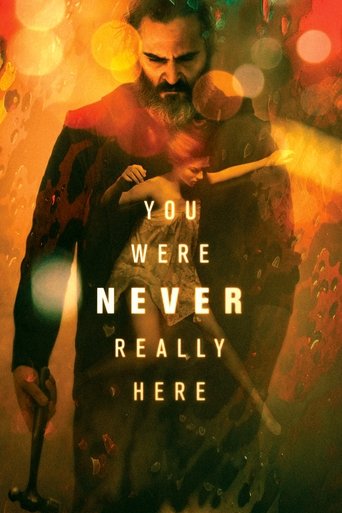
Love Lies Bleeding shows a British director scaling up; Ramsay shows what happens when a singular voice is given a bigger canvas and simply refuses to compromise. The chain ends here because this is the standard the others are reaching for.
Lynne Ramsay's thriller about a traumatised enforcer is a masterclass in sound design and fractured perspective, with Joaquin Phoenix carrying the film's entire weight. It is a genre picture that refuses to behave like one.
Related Chains
Explore
Log in to leave a comment.
No comments yet.