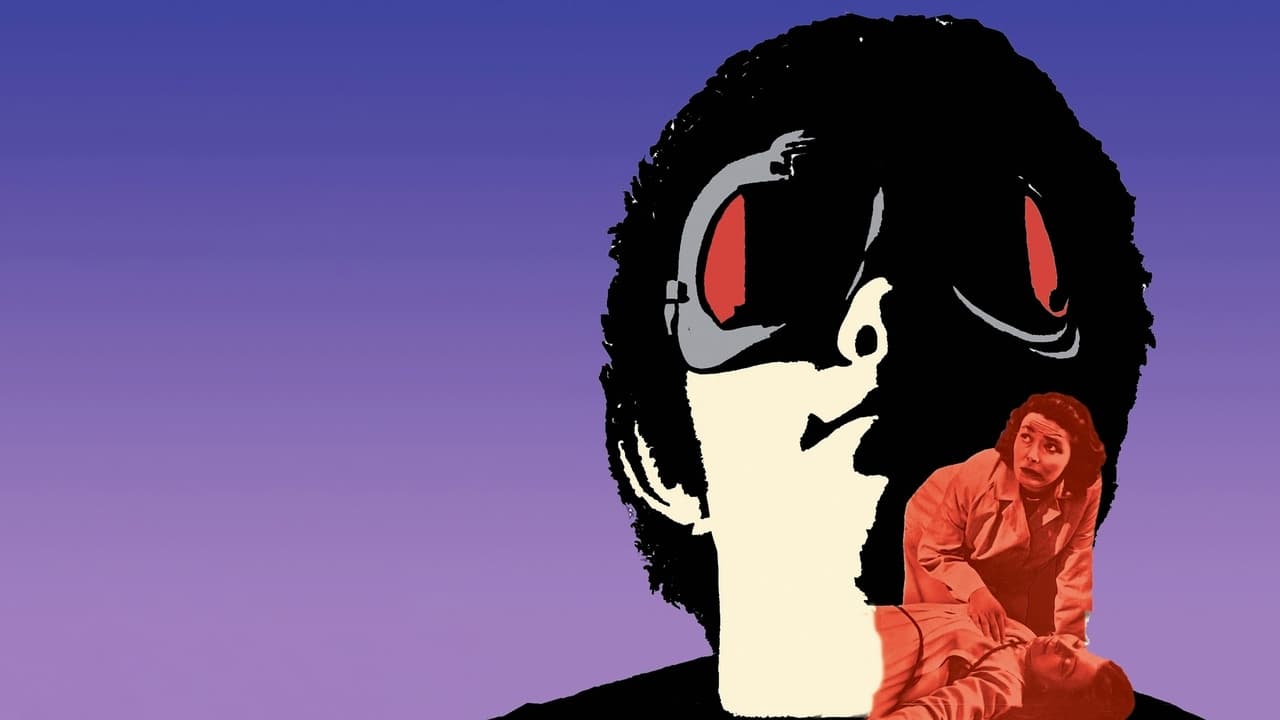
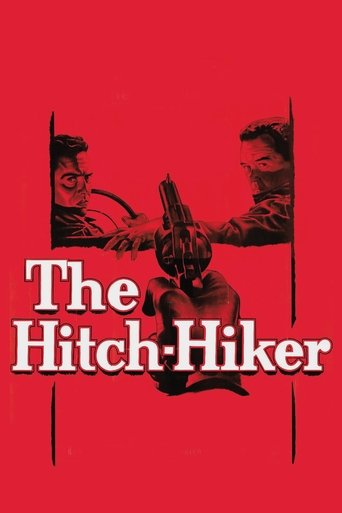
The open road sells a promise: freedom, motion, the kindness of strangers at a lonely junction. Cinema has spent fifty years quietly dismantling it. The Night Digger, a neglected British shocker from 1971, sets the template with almost indecent precision. Two women in a crumbling house on an empty stretch of road take in a young handyman, and the film lets the audience feel the warmth of that arrangement before it starts to rot. What makes it linger is not the violence but the ambiguity: the intruder might be a saviour, and the women's need for him might be the real danger.
That tension between hospitality and predation is the thread running through this chain. Each film places a figure of apparent usefulness at the edge of the frame, then asks whether the threat is out there on the tarmac or already seated behind the wheel. The killer, in these stories, is rarely a monster from nowhere. He is a mirror of the driver's own suspicion, and the isolation of the road does the rest.
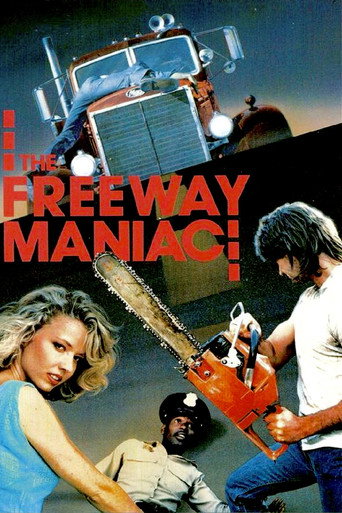
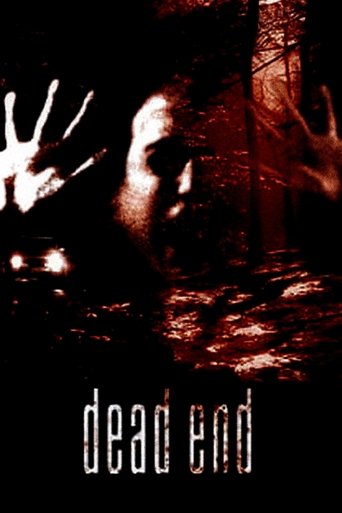
The journey moves from the domestic to the vehicular. The Freeway Maniac strips the idea down to low-budget essentials, a truck driver and a woman alone on the interstate, while Roadgames turns the same premise inside out by making the paranoid protagonist the one we cannot fully trust. The Car arrives with a supernatural jolt, a chrome beast with no driver, before Dead End pushes the whole logic into the surreal, where the helpful stranger is a woman and her child and the road itself seems to be making decisions. Watch them in order and the helpfulness curdles slowly, from a knock at the door to a smile in the headlights.
What a curious viewer gains is a sense of how formally varied this fear can be: British gothic restraint, American grindhouse economy, Australian sun-bleached unease, and finally something closer to a nightmare. The road stays the same. Only the face at the window changes.