Digger
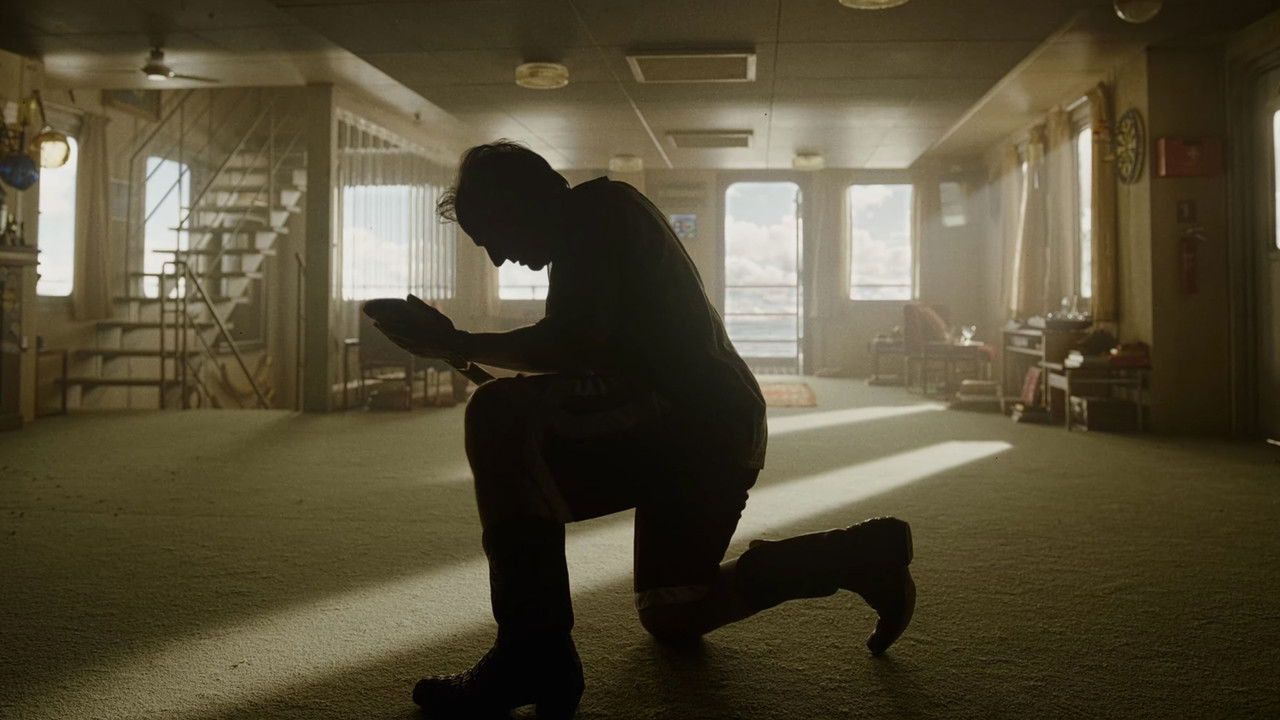
Tom Cruise plays a deep-earth driller whose excavation uncovers a subterranean alien intelligence, triggering a frantic mission to prove he is humanity's saviour before the disaster he unleashed consumes everything.
Chain
From Tom Cruise's relentless deep-earth driller to Martian relics under the London Underground, this is a descent through cinema's fascination with what waits below.
Digger arrives with the full weight of a Tom Cruise blockbuster behind it: a relentless deep-earth driller, a subterranean alien intelligence, a man convinced he is humanity's saviour even as the ground gives way beneath him. What makes the premise so potent is not the spectacle of the drill itself but the older fear it taps. We have always suspected that the earth beneath our feet is not inert. It is a place where things are buried, and buried things have a way of being found.
The films gathered here trace that suspicion across six decades of cinema, from the quarry pits of suburban London to the claustrophobic crawlspaces of the Appalachian mountains, from the molten core of the planet to the volcanic hollows of Jules Verne's imagination. Each one treats excavation as both a physical act and a psychological one. To dig is to disturb. To descend is to confront something that was not meant to be confronted, whether that is an alien intelligence, a personal grief, or the simple terror of being far from the surface.
Quatermass and the Pit sets the template: workmen unearth something ancient, and the rational world starts to come apart at the seams. The Descent strips that idea down to muscle and bone, replacing Martian relics with something more intimate and more vicious. The Core takes the opposite approach, turning the journey inward into a grand, absurd, oddly moving act of planetary repair. And Journey to the Center of the Earth, the 1959 original, reminds us that the subterranean adventure has always been a family affair, a story told to children about the wonders and dangers that lie just below the crust.
What unites them is not just geology but a shared conviction that the surface is a lie. Digger may be the loudest and most expensive version of that idea, but it is standing on very deep foundations. Watch these films in order and you can feel the ground shifting under each one, from the archaeological to the visceral to the cosmic and back again. The drill is only the beginning. The real question is what happens when it breaks through.
Tom Cruise plays a deep-earth driller whose excavation uncovers a subterranean alien intelligence, triggering a frantic mission to prove he is humanity's saviour before the disaster he unleashed consumes everything.
Digger → Quatermass and the Pit
The Link
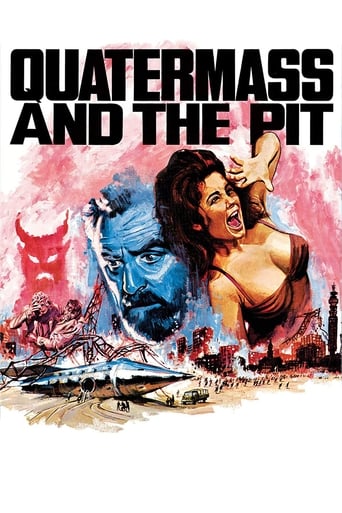
Digger's blockbuster spectacle of drilling into the unknown finds its clearest ancestor here: a British science-fiction landmark where excavation beneath a city releases an ancient alien intelligence, and the terror is as much philosophical as it is physical.
Workmen digging a new London Underground extension uncover a Martian spacecraft and the fossilised remains of its crew, awakening a dormant horror that has shaped human evolution itself.
Quatermass and the Pit → The Descent
The Link
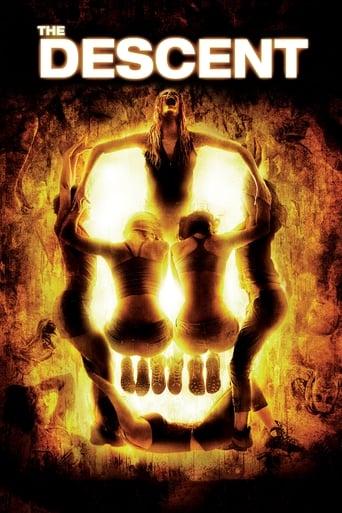
Where Quatermass located its horror in archaeological discovery, Neil Marshall's film drags the same premise into the body, literalising inner demons as cave-dwelling predators and making the descent a matter of survival rather than science.
A caving expedition in the Appalachian mountains turns into a claustrophobic nightmare when a group of friends becomes trapped underground and discovers they are not alone in the dark.
The Descent → The Core
The Link
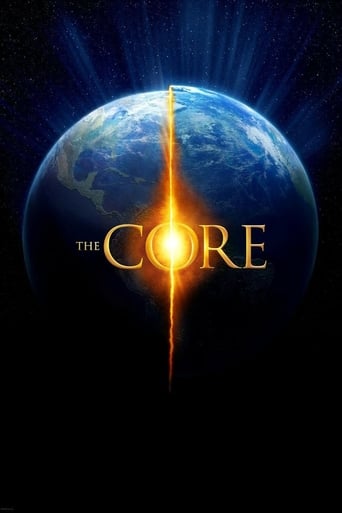
The Descent trapped its characters in a natural void; The Core goes deeper still, turning the entire planet into a machine that must be repaired from the inside, and swapping claustrophobic horror for a grand, earnest, gloriously absurd act of geological salvation.
The Core → Journey to the Center of the Earth
The Link
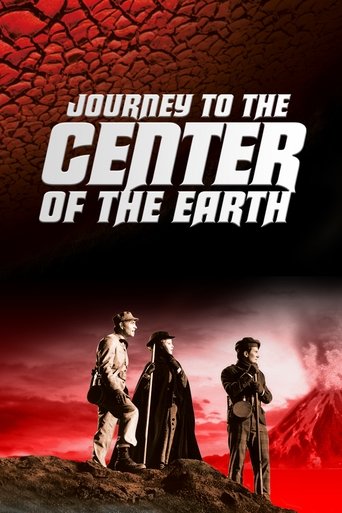
The Core's journey to the planet's heart was pure twentieth-century engineering; this is where the subterranean adventure began, Jules Verne's Victorian fantasia of discovery that gave every later descent, including Digger's, its sense of wonder and its appetite for the impossible.
A Victorian professor and his companions follow a cryptic manuscript down a volcanic shaft in Iceland, discovering a prehistoric world of dinosaurs, underground oceans and luminous caverns.
Journey to the Center of the Earth → The Mole People
The Link
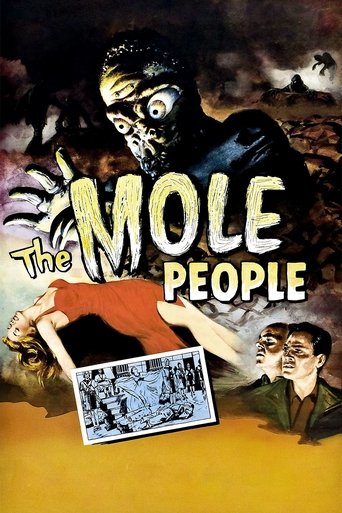
Journey to the Center of the Earth made the underground a place of wonder; this Universal B-movie makes it a place of enslavement and mutation, introducing the idea that what lies below may not just be ancient but actively hostile to those who find it.
Archaeologists in the Middle East stumble upon a lost Sumerian civilisation living beneath the earth, served by a race of mutant mole people who toil in the darkness.
The Mole People → The Time Machine
The Link
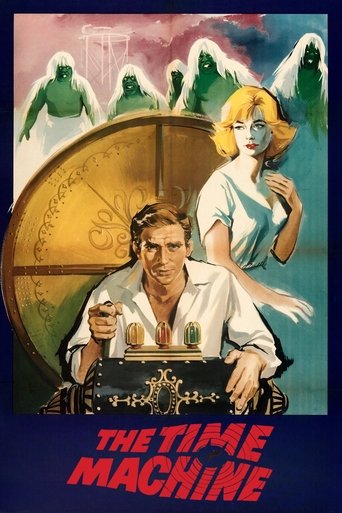
The Mole People's underground civilisation was a B-movie curiosity; George Pal's adaptation of H.G. Wells turns the same vertical divide into a haunting vision of class and evolution, where the descent into the earth becomes a descent into the future's darkest truth.
A Victorian inventor builds a machine that carries him to the year 802,701, where he discovers that humanity has split into two species: the gentle Eloi above ground and the predatory Morlocks below.
The Time Machine → Fantastic Voyage
The Link
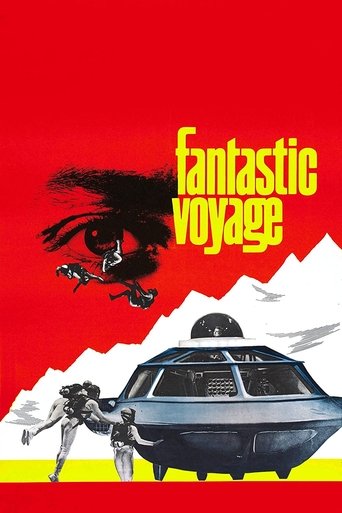
The Time Machine travelled down through time; Fantastic Voyage travels down through the body, shrinking the journey inward until the alien landscape is biological rather than geological, and the excavation becomes a race against the immune system itself.
A submarine crew and a team of scientists are miniaturised and injected into the bloodstream of a comatose diplomat, racing through his body to destroy a blood clot before the miniaturisation wears off.
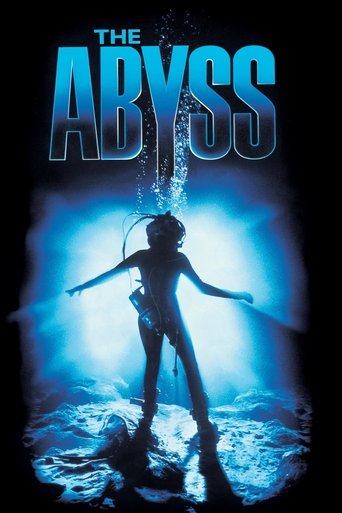
Fantastic Voyage → The Abyss
The Link
Fantastic Voyage took the descent inside the body; James Cameron takes it to the bottom of the sea, where the pressure is crushing and the aliens are not buried relics but living neighbours, and the excavation becomes a first-contact story about the depths we fear and the depths we share.
A civilian diving team is enlisted to search for a lost nuclear submarine and encounters an alien intelligence living in the deepest trench of the ocean, leading to a confrontation that tests humanity's capacity for wonder and violence.
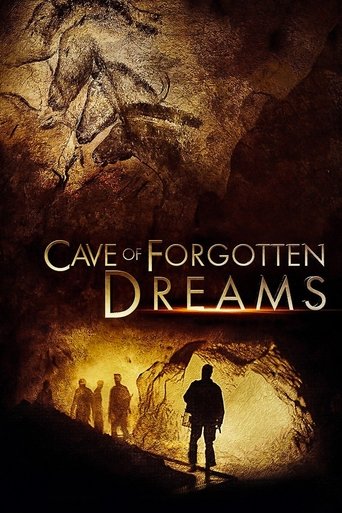
The Abyss → Cave of Forgotten Dreams
The Link
The Abyss imagined an alien intelligence in the deep; Herzog finds a human one, and the descent becomes archaeological rather than science-fictional, proving that the most profound thing waiting underground is often ourselves, painted on a wall in the dark.
Werner Herzog gains exclusive access to the Chauvet Cave in southern France, filming the oldest known human paintings, some 32,000 years old, and meditating on time, art and the origins of imagination.
Related Chains
Explore
Log in to leave a comment.
No comments yet.