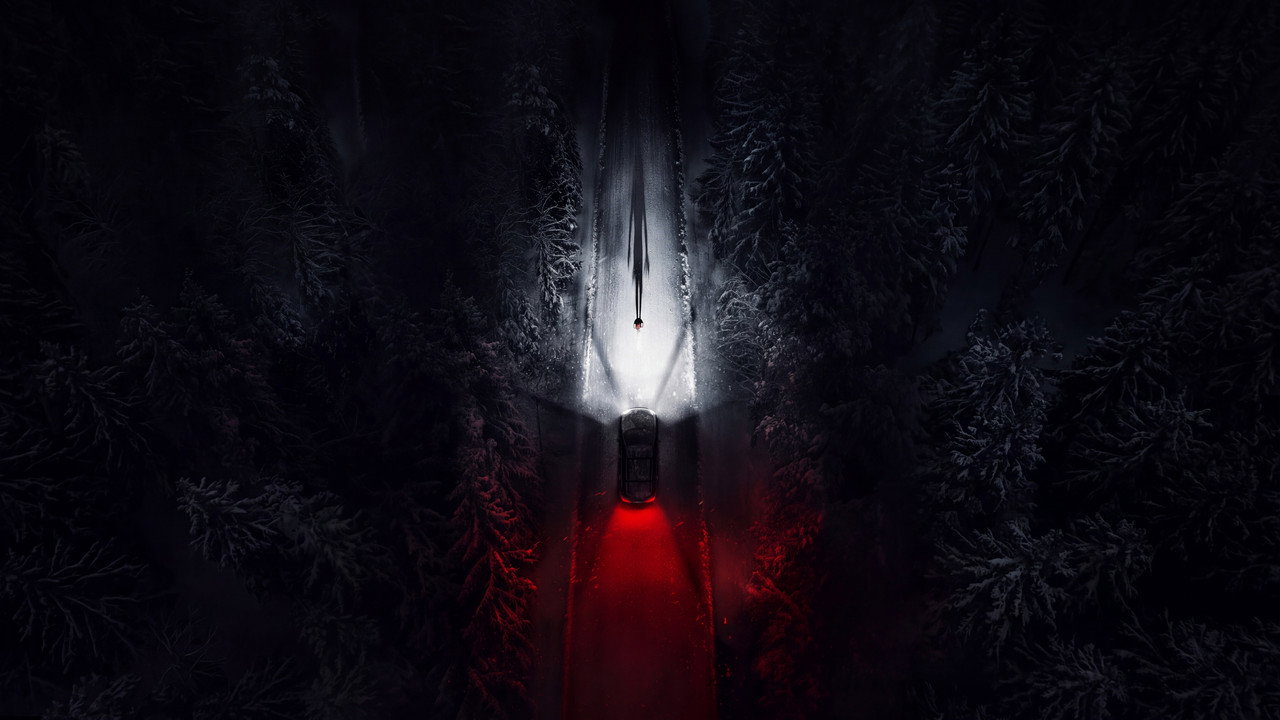
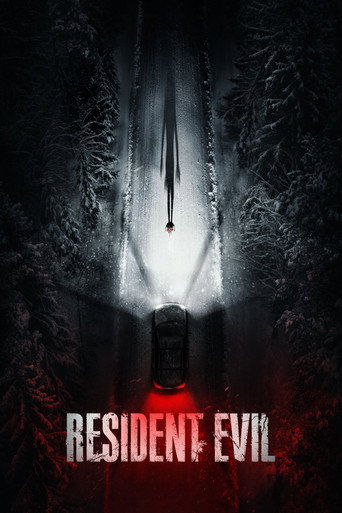
Resident Evil (2026) begins with a job. Bryan is a medical courier, which means his working life is already a chain of handovers, sealed containers, timed drops and signatures. The horror arrives not through a scientist's hubris but through the ordinary vulnerability of a man whose route happens to intersect with something that wants out. That is the sharpest idea in the film: outbreak as a failure of delivery, a package that travels further than anyone intended, carried by someone who was only ever trying to finish his shift.
What follows here is a chain about that figure, the carrier, and about infection understood as movement rather than mutation. Viruses in these films cross borders, ride ferries, fill apartment blocks, hitch lifts on desire and appetite. The monsters are rarely the point. The point is the transit: the road, the water, the lift shaft, the commuter belt. Once you see outbreak cinema this way, the genre stops looking like a parade of laboratories and starts looking like a documentary about work.
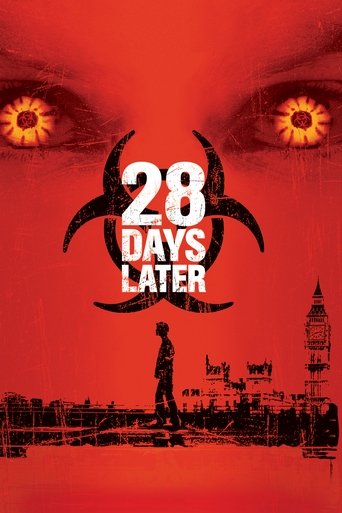
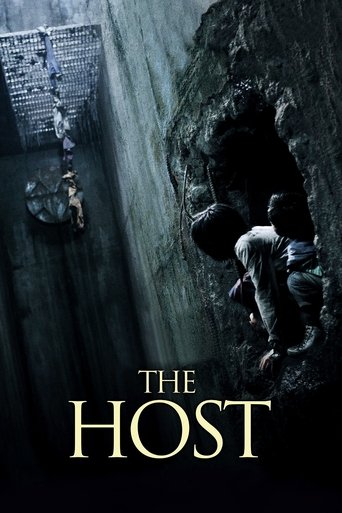
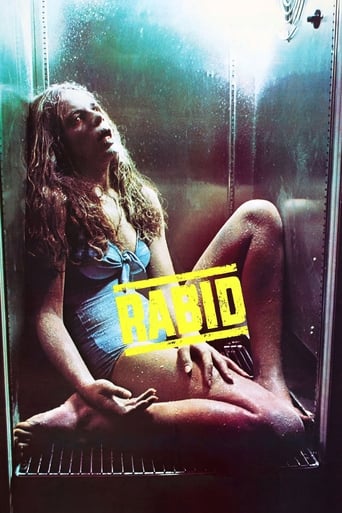
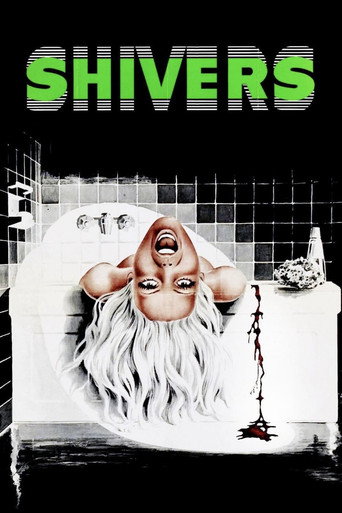
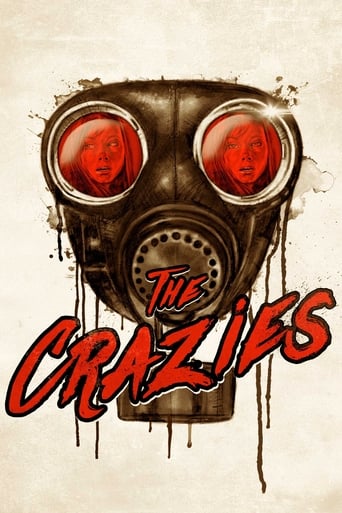
The sequence moves from Bryan's night outward, through films where the infected are also the displaced, the poor, the bored, the hungry. Danny Boyle's contribution is the founding text of the modern fast-zombie film and still the most elegantly edited of them, all empty motorway and digital grain. Bong Joon-ho's monster movie takes the same panic and relocates it to a family running a snack bar beside a river that has been poisoned by an American base, which is to say it makes the outbreak a matter of class and geography rather than virology. From there the chain travels backwards to David Cronenberg's Montreal, where the disease is transmitted by intimacy and the carrier is a woman with a wound in her armpit, and to the apartment tower where a parasite turns polite neighbours into a single organism.
Later stops push the idea further out: into a plague of sleep, into a village under military quarantine, into a bus that will not stop. What unites them is a refusal to treat the carrier as a villain. Bryan is not a monster. Neither is Rose, nor the tenants of the Starliner, nor the passengers on that bus. They are people with somewhere to be, and the infection is simply what happens when the world insists they keep moving.