Log in Sign up

Dancing Against the Current: Eight Films of Rebellion in Motion

From the steel mills of Pittsburgh to the streets of Baltimore, these films trace the dancer's fight for selfhood against the weight of expectation. A curated journey through movement as defiance.

· ·

Dance, in the cinema, has always been more than spectacle. It is the body's argument against the world that would keep it still. This chain of eight films follows that argument across four decades and several continents, from the working-class dreams of 1980s Hollywood to the experimental fringes of contemporary art. What unites these pictures is not a single choreographic style but a conviction: that to dance is to claim a space, to refuse the roles assigned to you, and to find a language when words fail.

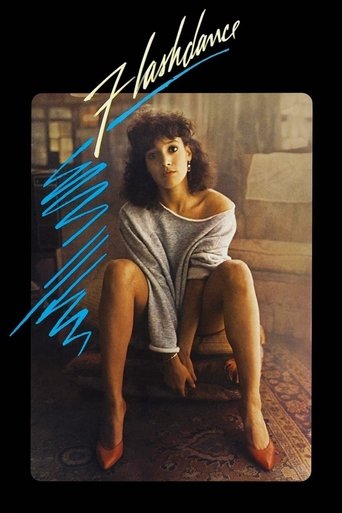
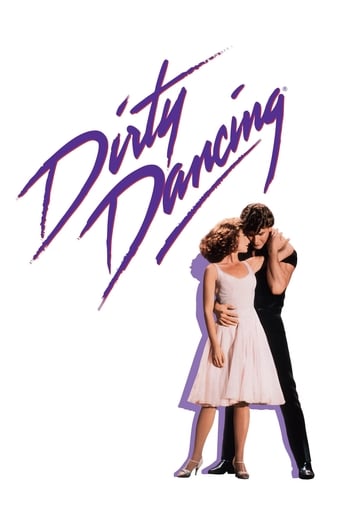
We begin in the sweat and neon of 1983, with Adrian Lyne's Flashdance, a film that turned a welder's moonlighting into a pop-cultural phenomenon. Its heroine, Alex Owens, is all raw ambition and unpolished brilliance, and her story set the template for a decade of dance dramas. From there we move to the summer of 1987 and Dirty Dancing, which traded Pittsburgh's industrial grit for a Catskills resort, yet found the same friction between class, desire, and the dance floor. Patrick Swayze's Johnny Castle is the mirror image of Alex: a man whose body is his only capital, and whose final, wordless declaration remains one of cinema's great acts of defiance.

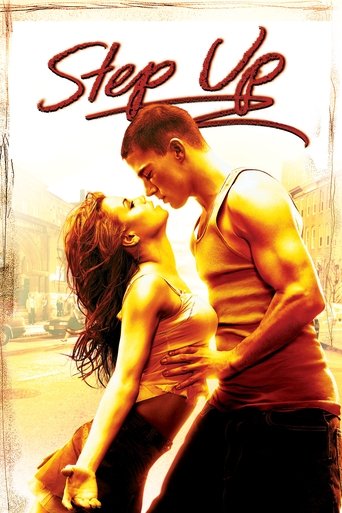
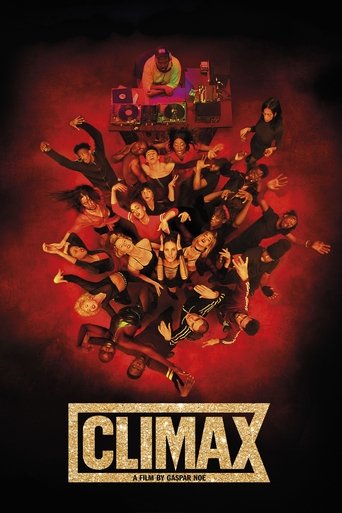
The chain then leaps forward to 2006, when Step Up rebooted the genre for a new generation, relocating the struggle to Baltimore's streets and a performing arts school. Its hero, Tyler Gage, is a troublemaker who finds in dance a discipline that the system never offered him. But the journey does not stop at commercial triumph. The remaining films push the form into stranger, more demanding territory: the raw, improvised abandon of Climax (2018), where dance becomes both liberation and entrapment; the documentary poetry of Pina (2011), which celebrates a choreographer who made movement a philosophy; and the fierce, feminist reclamation of Girlhood (2014), where a Parisian teenager finds her identity in a dance crew.

Each of these films rewards the viewer who watches them in sequence. You will see the DNA of one in the next: the solitary practice scenes, the audition that changes everything, the final performance that says what cannot be spoken. But you will also see how the genre has stretched, questioned itself, and found new ways to articulate the oldest struggle: to be seen, to be heard, to be free. By the time you reach the closing image of Pina's dancers moving through a landscape that cannot contain them, you will understand that dance cinema is not a niche. It is the heart of the movies, beating in time with every body that refuses to stay still.

Flashdance
1

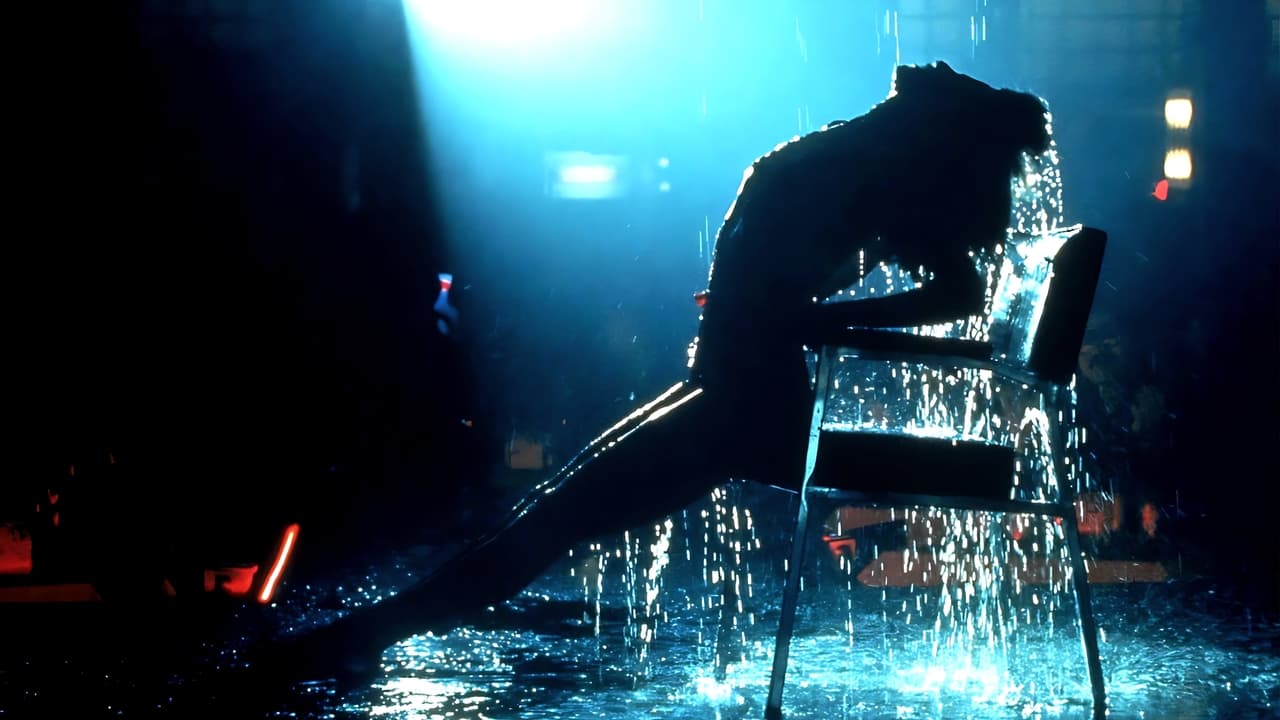
Flashdance

1983 · dir. Adrian Lyne · 95 min

Alex Owens, a welder by day and a bar dancer by night, dreams of formal training while the world tells her to know her place. Jennifer Beals' fierce, unpolished performance and that iconic water scene made this the blueprint for dance-as-escape.

Flashdance Dirty Dancing

The Link

Where Flashdance gave us a lone woman dancing against industrial grit, Dirty Dancing sets the same battle in a summer idyll, pairing its heroine with a man whose body is his only capital. The lift at the end is the answer to Alex's solo: dance as partnership, as mutual rescue.

Dirty Dancing
2

Dirty Dancing

1987 · dir. Emile Ardolino · 100 min

A sheltered teenager spends the summer at a Catskills resort and falls for the dance instructor, Johnny Castle. Their partnership is a crash course in class, desire, and the courage to say 'nobody puts Baby in a corner'.

Dirty Dancing Step Up

The Link

Two decades on, Step Up takes the class conflict of Dirty Dancing and hardwires it into the soundtrack of a new generation. Tyler's world of street battles and Nora's ballet barre are the same divide Baby and Johnny crossed, now fought with sharper elbows and a faster beat.

Step Up
3

Step Up

2006 · dir. Anne Fletcher · 104 min

Tyler Gage, a street dancer from the wrong side of Baltimore, lands a scholarship at a performing arts school and butts heads with the disciplined Nora. Their fusion of hip-hop and ballet becomes a new kind of rebellion.

Step Up Girlhood

The Link

Step Up's Baltimore is a world away from Girlhood's banlieue, but both films understand dance as a claim to space. Where Tyler fights for a school's recognition, Marieme and her friends dance for each other, carving out a private kingdom in a city that barely sees them.

Girlhood
4

Girlhood

2014 · dir. Céline Sciamma · 112 min

Marieme, a teenager on the fringes of Paris, joins a girl gang and discovers a fierce, joyful identity in their dance routines. Céline Sciamma's film is a portrait of sisterhood and survival, punctuated by a transcendent cover of Rihanna's 'Diamonds'.

Girlhood Pina

The Link

After the raw social realism of Girlhood, Pina lifts dance into pure poetry. Wenders' camera lets Bausch's movement speak without narrative, yet the same struggle echoes: the dancers' bodies push against gravity, against space, against the very idea of being contained.

Pina
5

Pina

2011 · dir. Wim Wenders · 106 min

Wim Wenders' 3D documentary honours choreographer Pina Bausch through the performances of her Tanztheater Wuppertal, weaving dance through streets, landscapes, and memory. A film that is less a biography than a living monument.

Pina Climax

The Link

Pina found transcendence in movement; Climax finds its opposite. Noé takes the communal joy of dance and turns it sour, trapping his performers in a space where the music becomes a weapon. It is the genre's dark mirror, a warning about what happens when the dance never stops.

Climax
6

Climax

2018 · dir. Gaspar Noé · 97 min

A troupe of dancers celebrates the end of rehearsals in a remote school, but their party spirals into a nightmare of paranoia and violence. Gaspar Noé's film opens with an ecstatic, unbroken dance sequence, then watches the rhythm break.

Climax Suspiria

The Link

Climax showed dance descending into chaos; Suspiria gives that chaos a theology. In Guadagnino's Berlin, movement is a form of worship, and Susie's body becomes a vessel for powers far beyond her control. The struggle is no longer against society but against the supernatural.

Suspiria
7

Suspiria

2018 · dir. Luca Guadagnino · 152 min

Luca Guadagnino's remake of the Argento classic places a young American dancer at a Berlin academy that is a front for a coven. Dance here is not liberation but ritual, a channel for something ancient and terrible.

Suspiria The Red Shoes

The Link

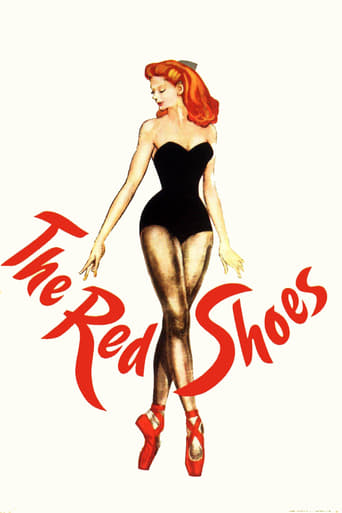
Suspiria's witches would feel at home in the world of The Red Shoes, where dance is a pact with the devil. Powell and Pressburger's masterpiece is the ancestor of every film in this chain: the first to show that the dancer's struggle is not against the world but against the art itself, which demands everything.

The Red Shoes
8

The Red Shoes

1948 · dir. Michael Powell · 133 min

A young ballerina is torn between her art and her love, and the film's centrepiece ballet sequence remains a landmark of cinematic fantasy. Moira Shearer's Vicky Page dances herself to the edge of destruction.

Where this chain leads

Genres

  • Drama
  • Romance
  • Music
  • Crime
  • Documentary
  • Horror
  • Mystery

Log in to leave a comment.

No comments yet.