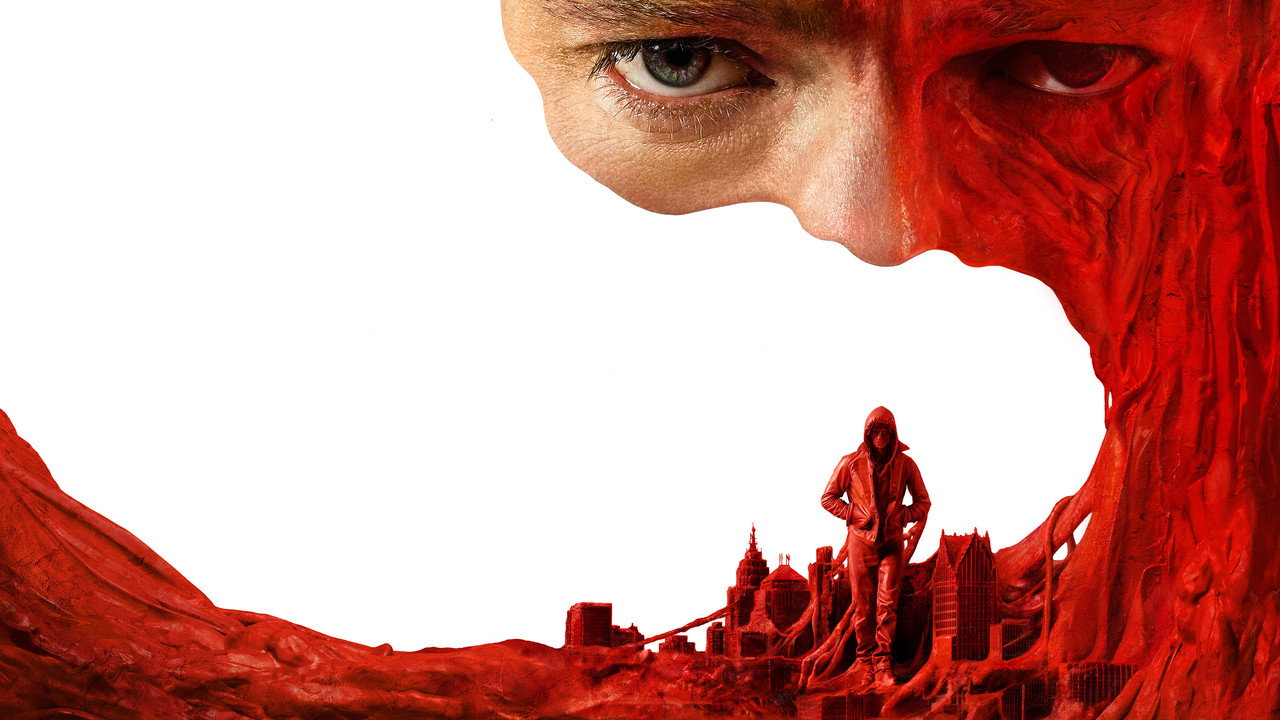
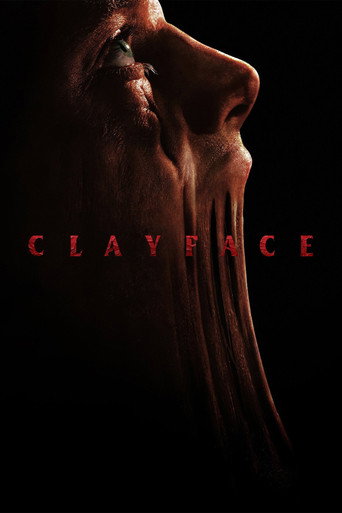
Matt Hagen's story begins as a joke about Hollywood and ends as a diagnosis of it. In Clayface, a Gotham street kid becomes a leading man, is disfigured by a crime boss's violence, and is then offered a miracle cure that restores his face while quietly dismantling his mind. The film's real subject is not the monster he becomes but the machinery that made him: a studio system that loves a face, discards a ruined one, and sells the repair back to its victim. The horror is contractual.
That contract has a long history. The films gathered here trace a line from the silent era's terror of the unmasked performer through European body horror to Cronenberg's operating theatres, and each one treats the body as a site of industrial or surgical intervention. What changes across the decades is who holds the scalpel: the studio, the surgeon, the state, or the patient himself. What stays constant is the moment of return, when a repaired face meets a world that no longer recognises it.
The sequence is built so that each film sharpens the next. A silent landmark establishes the fear of the visible mask; a Powell and Pressburger masterpiece turns that fear into colour and music; Franju and Ferrara push it toward the surgical table; Almodóvar and Amenábar show the body remade by grief and memory rather than by profit. Cronenberg's clinical doubles arrive last because they are the destination the whole chain has been walking toward: the discovery that the remake and the original can no longer be told apart.
Watch them in order and a pattern emerges that no single film states outright. Every performer here is asked to become something more saleable, more symmetrical, more useful, and every one pays in identity. Clayface gives that bargain a comic-book shape, but the ache underneath is older than cinema and will outlast it.