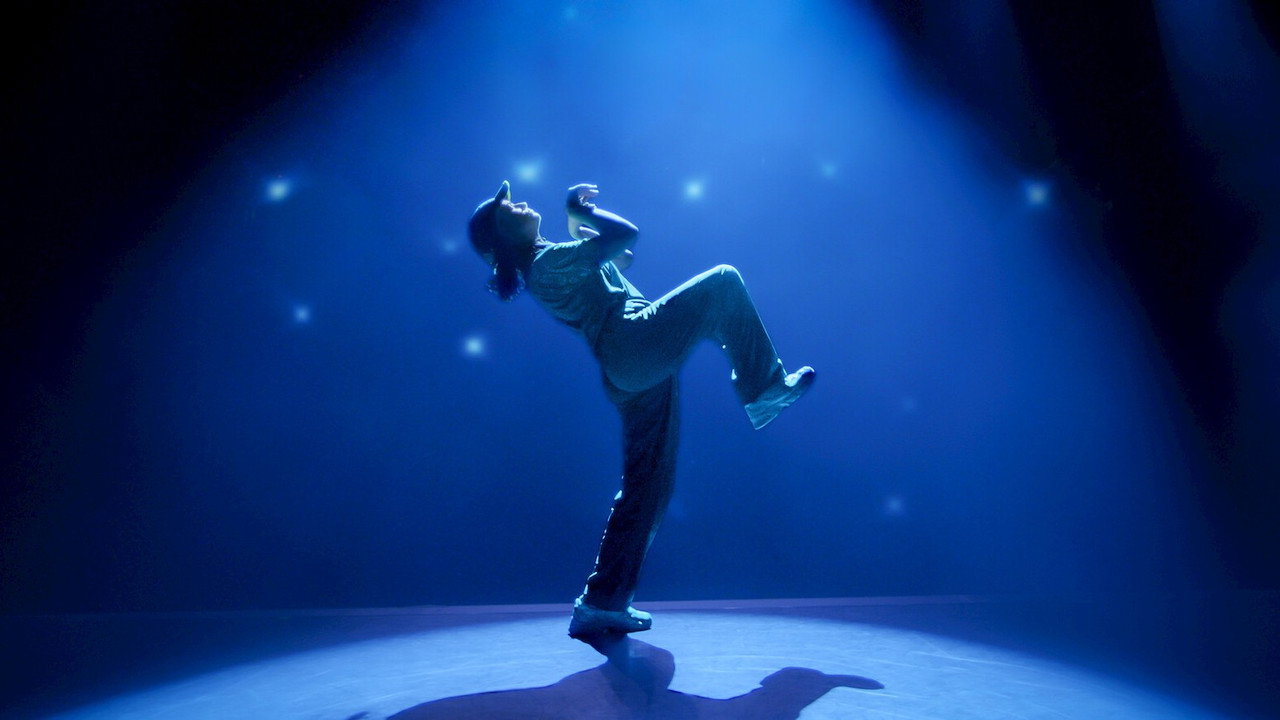
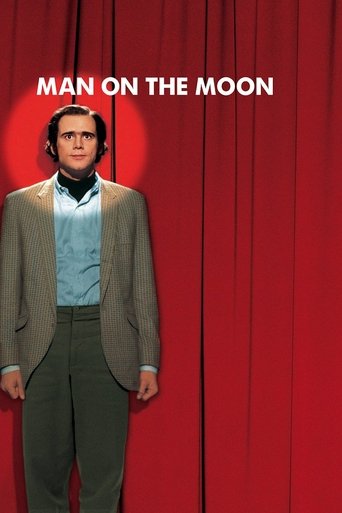
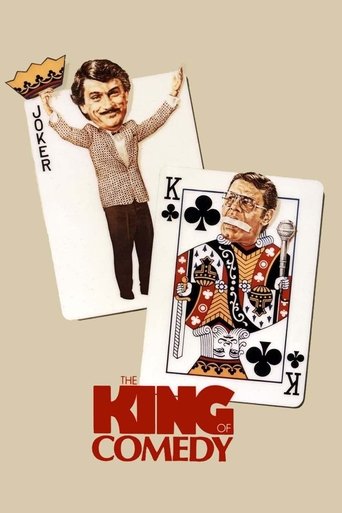
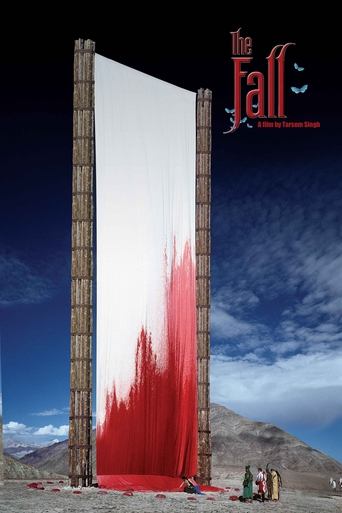
On the world's biggest stage, Raygun threw her limbs with a conviction that the internet read as absurdity. Her Olympic breakdancing set became a global meme overnight, a moment of pure schadenfreude. Yet beneath the mockery lay a deeper question: what makes an artistic gamble a triumph or a travesty? The answer, as these films suggest, often depends on who is watching and when.
From the margins of the dance floor to the centre of a media storm, Raygun's journey mirrors a familiar cinematic arc. It is the story of the outsider who refuses to conform, whose very originality becomes a liability. This chain traces that arc through eight films, each exploring a different facet of the public's fickle judgment: the fear of being laughed at, the courage to persist, and the slow, sometimes posthumous, correction of taste.
We begin with a dancer whose radical moves are met with ridicule, a direct echo of Raygun's own performance. From there we move through tales of artists, athletes, and dreamers whose bold choices are initially dismissed. These are not stories of easy triumph; they are messy, uncomfortable portraits of people who risk everything for a vision only they can see.
The chain is not a simple celebration of the misunderstood genius. It is a more honest look at the collision between individual expression and collective judgment. Some of these figures find redemption, others do not, and a few remain permanently ambiguous. That uncertainty is the point: the line between innovation and ridicule is never as clear as the crowd believes.
What unites these films is a refusal to let the audience off the hook. They ask us to sit with our own laughter, to question our instincts, and to consider what we might be missing in the next viral disaster. Raygun's performance may have been a punchline in 2024, but this chain suggests that history has a habit of revising its verdicts. The joke, it turns out, might be on us.