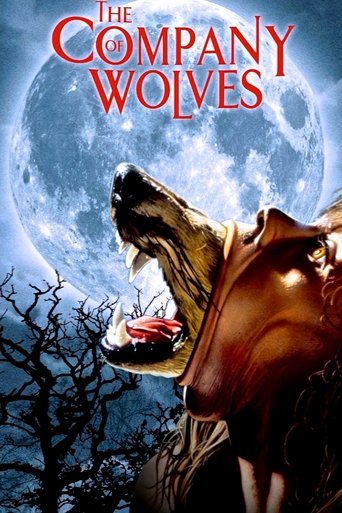
The Company of Wolves
A young girl's dreams interweave with a series of dark, erotic retellings of Little Red Riding Hood, where wolves are men and men are wolves.
Chain
From Grimm to the modern screen, a journey through films that twist the familiar into the unsettling, the erotic, and the profoundly human.
Fairy tales were never meant for children. The Brothers Grimm collected stories of cannibalism, mutilation, and sexual threat, and it took the Victorians to sugar-coat them into bedtime comfort. Cinema, thankfully, has always known better. This chain of eight films traces a lineage of storytellers who treat the fairy tale not as a moral lesson but as a psychological pressure cooker, a space where desire, violence, and identity collide without a clean resolution.
We begin with a film that made the subversion explicit, a 1980s landmark that turned the princess narrative inside out. From there, we move through a European art-house retelling that finds horror in the mundane, a Japanese ghost story that borrows the structure of a fable to discuss national trauma, and a Korean fairy tale for the digital age. Each step pulls the genre further from its origins, yet each remains recognisably a fairy tale, because the bones are the same: a quest, a transformation, a price paid.
The chain is not a list of the usual suspects. Yes, you will find a film that won the Palme d'Or, but you will also find a cult oddity from the Soviet Union and a Spanish horror that reimagines a classic with a feminist blade. The through-line is the refusal to let the stories sit still. These filmmakers take the familiar and make it strange, forcing us to see the tales we thought we knew with fresh, adult eyes.
What unites these films is a shared conviction: that the fairy tale is a perfect vessel for exploring the darkest corners of human experience. They are not for the faint of heart, but they are for anyone who has ever wondered what happens after the 'happily ever after' fades to black. This is a journey through the looking glass, and the glass is cracked.
A young girl's dreams interweave with a series of dark, erotic retellings of Little Red Riding Hood, where wolves are men and men are wolves.
The Company of Wolves → The Juniper Tree
The Link
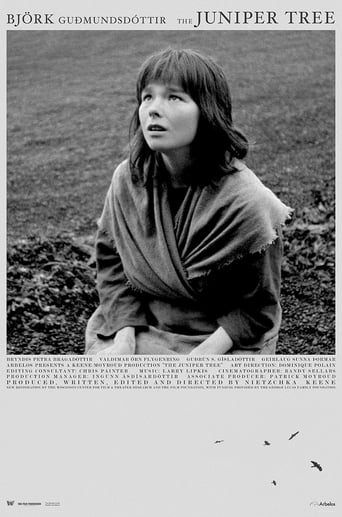
Where The Company of Wolves is lush and gothic, The Juniper Tree strips the fairy tale to its bare bones, using Icelandic landscapes and a folkloric stillness to find the same primal cruelty beneath the surface.
Björk stars in this stark, elemental adaptation of a Brothers Grimm tale about a mother's death, a stepmother's cruelty, and a boy's transformation into a bird.
The Juniper Tree → The Spirit of the Beehive
The Link
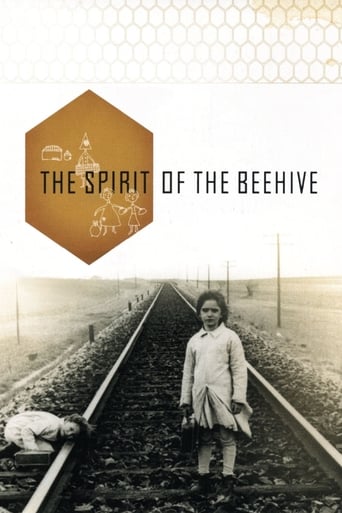
Victor Erice's masterpiece uses the fairy tale structure of a child's quest, but instead of wolves or witches, the monster is the ghost of political trauma, echoing the way The Juniper Tree uses folk motifs to address grief and loss.
In a small Castilian village after the Spanish Civil War, a young girl becomes obsessed with the Frankenstein film she has seen, blurring the line between monster and child.
The Spirit of the Beehive → Tale of Tales
The Link
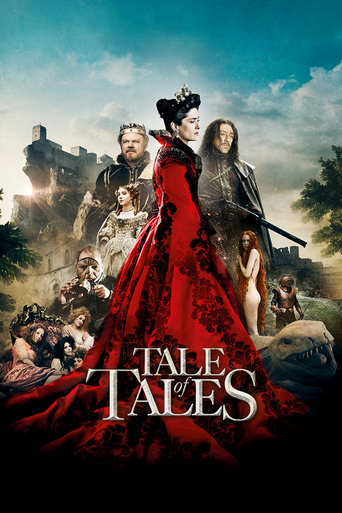
Matteo Garrone returns to the earliest written fairy tales, predating the Grimms, and finds the same grotesque eroticism that lurked beneath the surface of The Company of Wolves, but with a baroque, Italianate excess.
Three macabre stories, adapted from Giambattista Basile's 17th-century collection, weave together a queen's desperate desire for a child, a king's obsession with a flea, and a princess's monstrous suitor.
Tale of Tales → Pan's Labyrinth
The Link
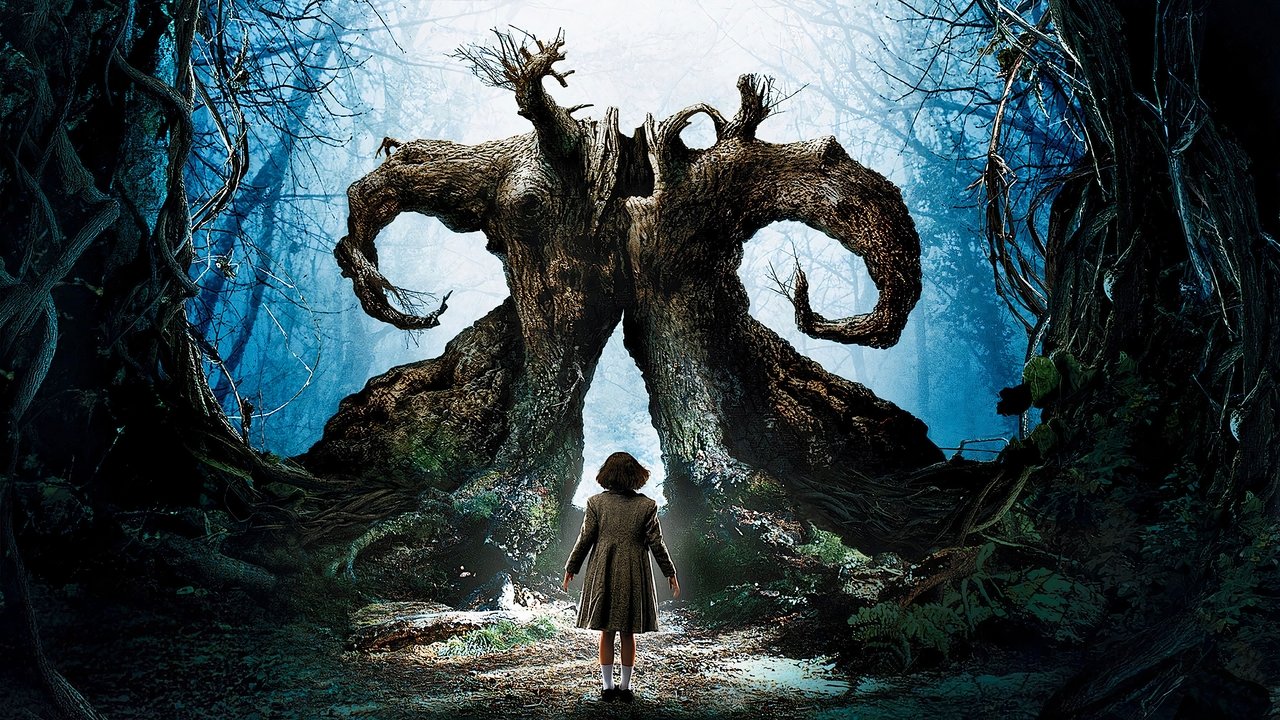
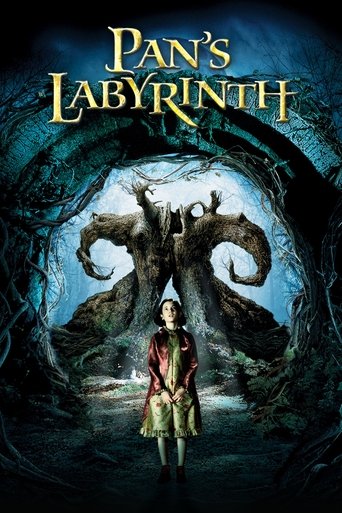
Guillermo del Toro's film is the direct descendant of The Spirit of the Beehive, using the same historical backdrop and a child's fantasy world to confront political horror, but where Erice leaves the fantasy ambiguous, del Toro embraces it fully.
In post-Civil War Spain, a young girl escapes the brutality of her stepfather's fascist regime through a labyrinth of mythical creatures and dark tasks.
Pan's Labyrinth → Onibaba
The Link
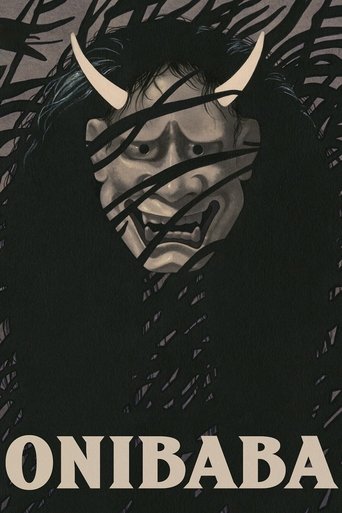
Kaneto Shindo's folk horror shares with Pan's Labyrinth a sense of the fairy tale as a survival mechanism in a world of violence, but here the supernatural is a curse, not an escape, and the story descends into a raw, elemental parable.
In 14th-century Japan, two women survive by murdering samurai and selling their armour, until a demonic mask and a forbidden affair unravel their brutal pact.
Onibaba → The Lure
The Link
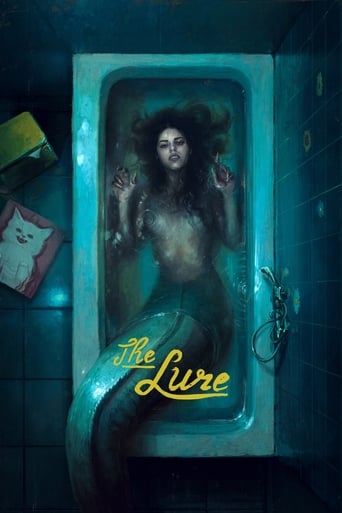
Agnieszka Smoczyńska's debut takes the mermaid myth that Hans Christian Andersen made sentimental and injects it with punk energy and body horror, a direct challenge to the Disneyfied versions that The Company of Wolves had already begun to dismantle.
Two mermaid sisters join a cabaret band in Warsaw, where one falls for a human and the other succumbs to her predatory nature, in a musical horror that reimagines The Little Mermaid.
The Lure → The Handmaiden
The Link
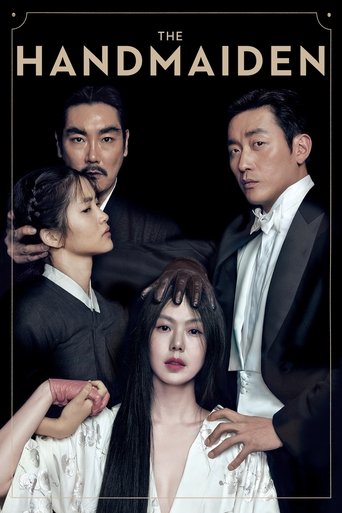
Park Chan-wook's film is a fairy tale of imprisonment and liberation, borrowing the structure of a Gothic romance and a con game, and it completes the chain by showing how the genre can be queered, politicised, and made utterly modern.
In 1930s Korea, a pickpocket is hired as a handmaiden to a Japanese heiress, but a web of deception, desire, and revenge unfolds as the two women fall for each other.
Related Chains
Explore
Log in to leave a comment.
No comments yet.