The Fast and the Furious
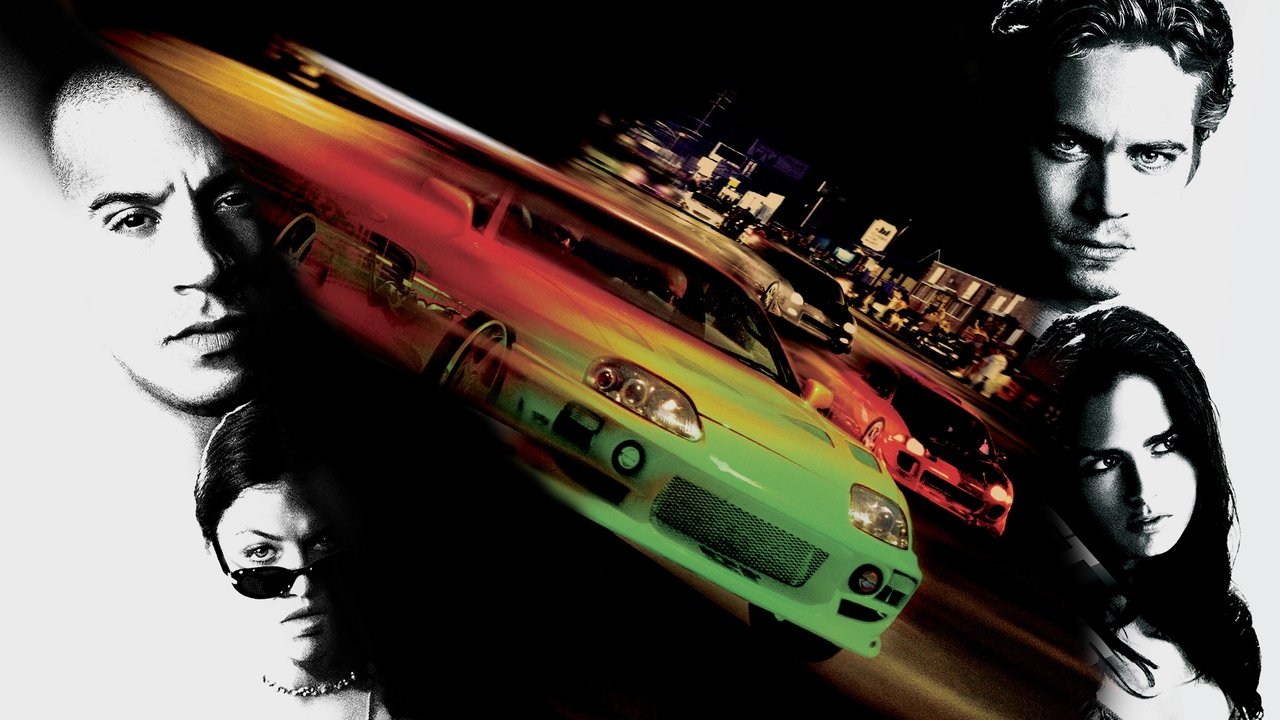
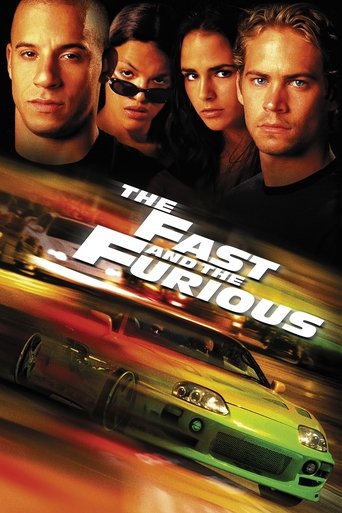
Undercover cop Brian O'Conner infiltrates Dominic Toretto's crew of street racers and hijackers, only to find a family he never had.
Chain
From the neon-lit streets of Tokyo to the dusty backroads of America, this chain follows the adrenaline, the engineering, and the outlaws who live for the race.
Released 25 years ago, The Fast and the Furious is the film that turned a niche Los Angeles subculture into a global phenomenon. It is a story about family disguised as a heist thriller, where loyalty is tested at a hundred miles an hour and the line between cop and criminal blurs in the rear-view mirror. The film's genius lies not just in its breakneck set-pieces, but in its genuine affection for the world it depicts: the chrome-plated engines, the neon underglow, the sense that the street is the only place where these characters truly belong.
This chain follows that same spirit, tracing the highways and byways of street racing across different eras and continents. It is a journey that starts with the Hollywood blockbuster that defined the genre, then peels off into the lesser-known corners where the culture runs deeper: Japanese mountain passes, Australian outback roads, and the forgotten drag strips of America. These are films that understand the obsession, the craftsmanship, and the quiet desperation that fuel the need for speed.
What unites them is not just the cars, but the people who build them and the communities they form. From the teenage drifters of Initial D to the veteran mechanics of Two-Lane Blacktop, each film offers a different shade of the same rebellion. Some are sleek and polished, others are raw and documentary-like, but all share a reverence for the machine and the road.
So buckle up. This is a chain about more than just racing; it is about the search for identity, the pull of the open road, and the families we choose when the world turns its back.
Undercover cop Brian O'Conner infiltrates Dominic Toretto's crew of street racers and hijackers, only to find a family he never had.
The Fast and the Furious → Initial D: Third Stage
The Link
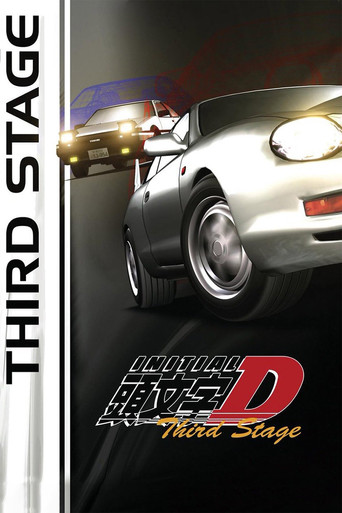
The Fast and the Furious brought street racing to Hollywood's mainstream, but Initial D, released the same year, shows the same obsession from a distinctly Japanese angle. Where the former is about muscle and bravado, this is about precision and the almost zen-like connection between driver and machine.
Takumi Fujiwara, a reluctant tofu-delivery driver, becomes a legend on the mountain passes of Gunma, mastering the art of downhill racing in his father's AE86.
Initial D: Third Stage → Redline
The Link
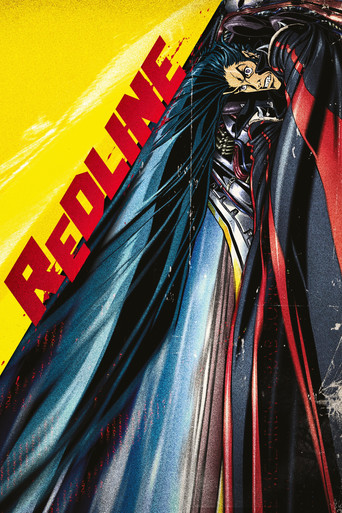
From the grounded realism of Initial D, we leap into the hyper-stylised, hand-drawn mayhem of Redline. This is street racing pushed to its most absurd extreme, where the stakes are planetary and the visuals are a sugar rush of colour and motion.
In a futuristic world, the most dangerous race in the galaxy attracts the most reckless pilots, including a human-alien hybrid who just wants to win.
Redline → Two-Lane Blacktop
The Link
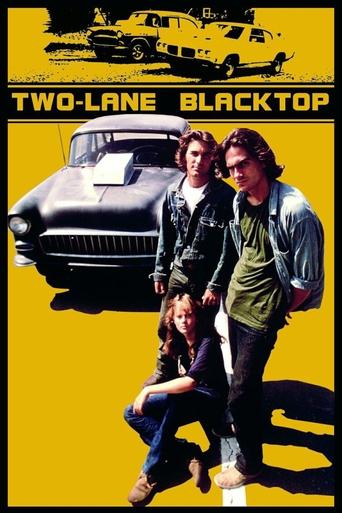
Redline's pure spectacle gives way to the stripped-back existentialism of Two-Lane Blacktop. This is the anti-thesis of the modern racing film: no plot, no heroes, just the open road and the quiet desperation of those who live on it.
A nameless driver and mechanic travel the American Southwest in a '55 Chevy, challenging strangers to impromptu races for money and pride.
Two-Lane Blacktop → The Wraith
The Link
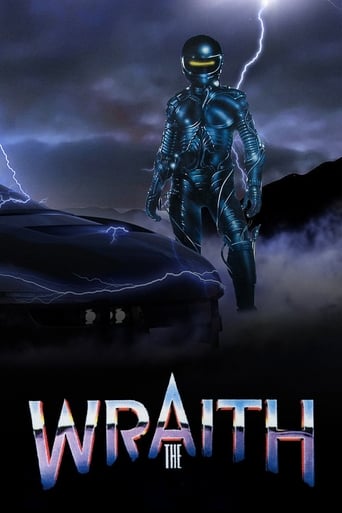
Two-Lane Blacktop's minimalist road trip finds its dark mirror in The Wraith, a cult classic that blends street racing with supernatural vengeance. It is a reminder that the genre can also be a playground for genre-bending pulp.
A mysterious stranger in a sleek, otherworldly car returns to a small Arizona town to exact revenge on a gang of street racers who killed his brother.
The Wraith → Gone in 60 Seconds
The Link
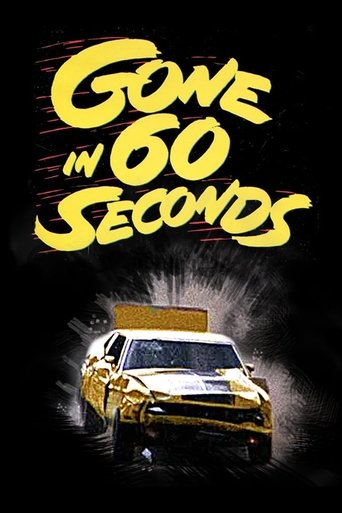
The Wraith's otherworldly menace is grounded in the gritty realism of Gone in 60 Seconds, a film that treats car theft as a blue-collar craft. This is the raw, unpolished ancestor of the heist elements in The Fast and the Furious.
A master car thief and his crew must steal 48 cars in 72 hours to save his brother, culminating in a legendary 40-minute car chase through Los Angeles.
Gone in 60 Seconds → The Italian Job
The Link
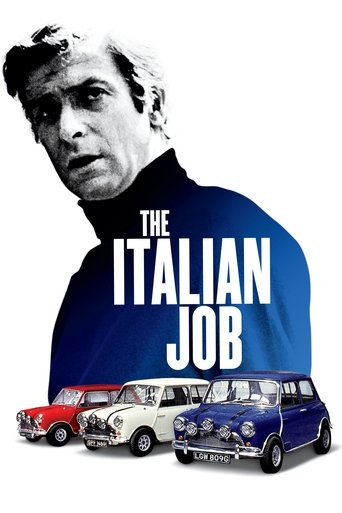
From the Los Angeles grind of Gone in 60 Seconds, we cross the Atlantic to the swinging London of The Italian Job. This is a heist film where the cars are as charming as the crooks, and the chase is a ballet of wit and style.
A freshly released convict masterminds a gold heist in Turin, using a fleet of Mini Coopers to navigate the city's sewers and rooftops.
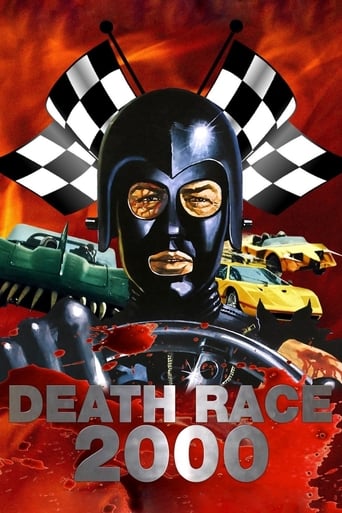
The Italian Job → Death Race 2000
The Link
The Italian Job's cheeky charm curdles into the savage satire of Death Race 2000. Here, street racing is weaponised into a national blood sport, a darkly comic exaggeration of the genre's inherent violence.
In a dystopian future, a cross-country race rewards drivers for running over pedestrians, with Frankenstein, a masked veteran, as the favourite.
Related Chains
Explore
Log in to leave a comment.
No comments yet.