David Lynch's Blue Velvet opens on a postcard: red roses, a white fence, a fire engine, a waving man. Then the camera pushes down through the grass, into the soil, into a seething colony of beetles. That single descent is the whole thesis of this chain. Jeffrey Beaumont (Kyle MacLachlan) comes home from college to a town that looks freshly painted, finds a severed ear in a vacant lot, and follows it into an apartment where Dorothy Vallens (Isabella Rossellini) sings 'Blue Velvet' in a red-lit room and Frank Booth (Dennis Hopper) inhales amyl nitrate and calls himself a baby. The film is forty years old this month, and its central insight has not aged a day: American propriety is not the opposite of violence, it is violence's most effective camouflage.
What makes Lynch's film the right anchor rather than just the obvious one is its tonal control. The picture is genuinely funny in its small-town passages (the detective's daughter, the ear, the nightclub), and genuinely terrifying in its nocturnal ones, and it never lets you settle into either. The famous use of Roy Orbison's 'In Dreams' is not a gag. It is a demonstration that a beautiful song can be made to carry a threat, that the same object can be tender and obscene depending on who is holding it. Every film in this chain works that same seam: an immaculate frame, a monstrous interior.
From the drawing room to the operating theatre
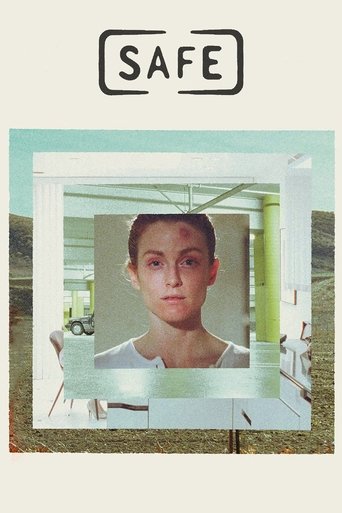
The chain begins in the same decade and the same country, but in a very different register. Blue Velvet is the fever dream; Safe is the fever dream's blood test. Todd Haynes's 1995 film follows Carol White (Julianne Moore), a San Fernando Valley housewife whose life is a triumph of beige upholstery and bottled water until her body begins to reject the world. The horror here is not a man with a mask but a woman's own immune system, and Haynes shoots it with the flat, bright, airless precision of a furniture catalogue. Where Lynch pushes the camera into the dirt, Haynes keeps his at a polite distance, which turns out to be just as frightening. Both films understand that the most violent thing you can do to a person is to insist that nothing is wrong.
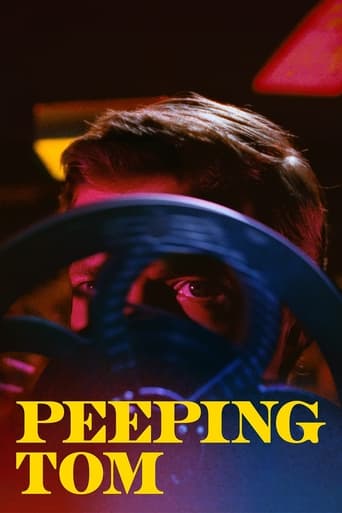
From there the chain travels backwards to the source. Michael Powell's Peeping Tom (1960) is the film that ended Powell's career and, in retrospect, helped invent the modern serial-killer picture. Carl Boehm plays Mark Lewis, a focus puller at a film studio who murders women with a camera tripod and films their faces as they die. The drawing-room surfaces here are those of respectable British cinema itself: the studio, the newsagent's, the lodger's room. Powell's cruelty is to make us complicit in the gaze, and the film's reception at the time (reviled, withdrawn, career-ending) proves its point about what polite society does with what it does not want to see.
Georges Franju's Eyes Without a Face (1960) takes the same year and moves the violence into the clinic. A surgeon, wracked with guilt over his daughter's disfigurement, abducts young women and grafts their faces onto hers. Franju shoots it like a poem: white corridors, a mask like a porcelain moon, a forest at night. The film is often called a horror, but its real subject is the tyranny of the beautiful surface, the father's determination to restore an appearance at any cost. It sits perfectly beside Peeping Tom as a portrait of obsession dressed in professional respectability.
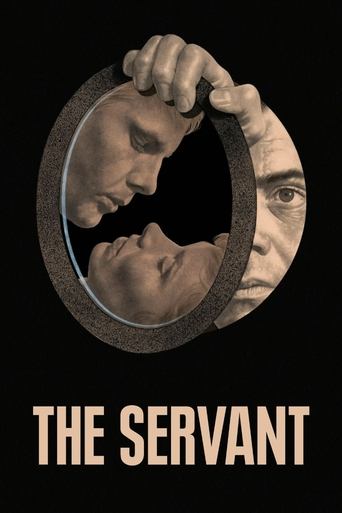
The chain then turns to the drawing room proper. Joseph Losey's The Servant (1963), from Harold Pinter's screenplay, is the most quietly vicious film here. Dirk Bogarde plays Barrett, a manservant who gradually inverts the power in a Chelsea townhouse until his employer (James Fox) is reduced to a child. Losey and Pinter never raise their voices. The violence is in the arrangement of furniture, the timing of a pause, the way a man says 'sir'. It is the missing link between the suburban dread of Blue Velvet and the aristocratic rot of the chain's later entries.
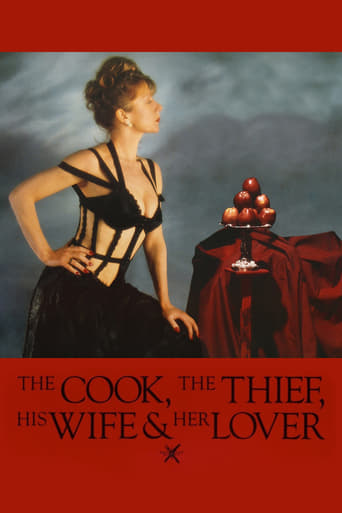
Peter Greenaway's The Cook, the Thief, His Wife & Her Lover (1989) takes that rot and serves it. Michael Gambon's Albert Spica is a gangster who has installed himself in a restaurant and terrorises everyone in it; Helen Mirren's Georgina takes a lover and conducts the affair in the kitchen, the bathroom, the meat locker. Greenaway's frame is painterly, symmetrical, saturated, and the food is exquisite, which makes the brutality worse. The final course is one of the most notorious images in British cinema, and it is earned. The film is about consumption in every sense: of food, of people, of the appearance of civilisation.
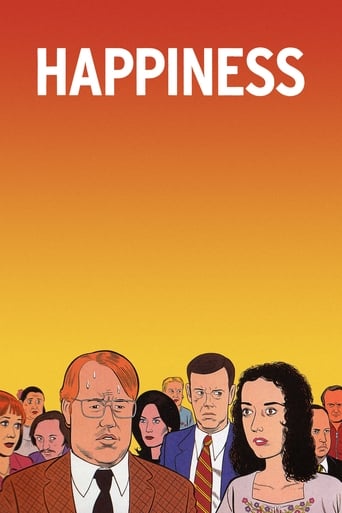
To close, the chain returns to America and to the family. Happiness (1998), Todd Solondz's ensemble of New Jersey suburbanites, is not a horror film and does not pretend to be. It is a comedy, and that is precisely why it belongs here. Solondz keeps his camera still and his colours bland while his characters confess to paedophilia, obscene phone calls and quiet despair. The film's most disturbing quality is its evenness: no shot is stylised, no performance is pushed, and the effect is a kind of moral flatline. It is the logical endpoint of the journey that began with Jeffrey Beaumont's ear. The surface is not hiding the monster. The surface is the monster, and it has been sitting in the living room all along.