Log in Sign up

The Long Con of the Cue Ball

Eight films about hustlers, pupils and the moment a performance of skill curdles into something crueller. The table is never just a table.

· ·

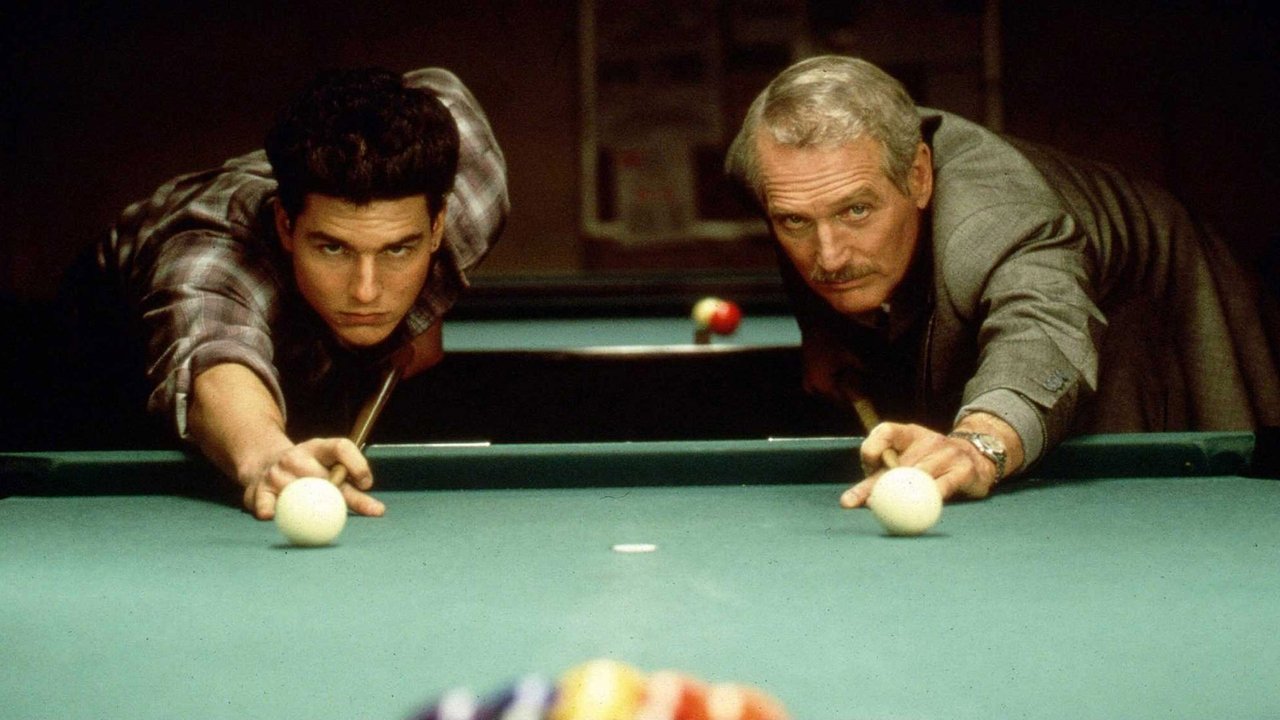
Forty years ago this month, Martin Scorsese released The Color of Money, a sequel to a film he had no hand in making and a sports movie with almost no sport in it. Fast Eddie Felson, twenty-five years on from Rossen's pool halls, is selling liquor and selling himself, and the film's real subject is not potting balls but the seduction of a young talent into a philosophy of winning. Paul Newman finally won his Oscar for it, deservedly, but the film's engine is Tom Cruise's Vincent, all twitch and grin, and the slow education in how to lose on purpose. Scorsese shoots the felt like a boxing ring: the travelling cue, the chalk, the silence before the break. The performance of skill, he shows us, is a con with a cue in its hand.

The chain around it traces that idea backwards and sideways. Robert Rossen's The Hustler is the obvious starting point and still the best portrait of self-destruction dressed as mastery; Newman's Eddie there is a man who can play but cannot bear to win. From there the journey moves into stranger rooms. Joseph Losey's The Servant turns a London house into a billiards room where the game is class, and Dirk Bogarde's Barrett plays every shot with a servant's smile and a master's intent. The British strain matters here: snooker and pool in this country are pub games, working men's games, and the films that use them know the table as a place where dignity is wagered.

So the chain drifts through the 1980s British scene, where the cue rack stood in for the dole queue, and out into the wider world of the con: the card sharp, the three-card trick, the man who wins by seeming to lose. What unites these films is not the equipment but the psychology. A hustler is an actor with an audience of one, and cinema loves nothing more than a performance that knows it is being watched. Watch how the camera settles on hands, on eyes, on the small betrayals of the face. The break is the least interesting shot in the frame.

By the end, the chain has moved from the pool hall to the card table and back again, and the question has shifted. It is no longer whether the player can win, but what winning costs and who is permitted to want it. The Color of Money sits near the start as a kind of hinge: the old world of Rossen's existential losers meeting the new world of Reagan-era ambition, with a young man who has been taught to treat his gift as merchandise. Everything after it is a variation on that lesson, and some of the variations are brutal.

The Color of Money
1

The Color of Money

1986 · dir. Martin Scorsese · 119 min

Scorsese's sequel to The Hustler, with Paul Newman's Fast Eddie teaching Tom Cruise's Vincent that the point is not the shot but the sale. The pool sequences are cut like fight scenes, all anticipation and release.

The Color of Money → The Hustler

The Link

The film that gave Scorsese his starting point, and the origin of Newman's Eddie: watching them in this order lets you see how much the later film inherits and how much it deliberately betrays. Rossen's existential gloom becomes Scorsese's neon energy, but the same question remains, whether a gift is a curse or a commodity.

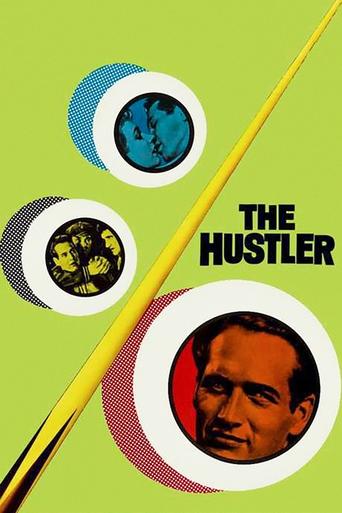
The Hustler
2

The Hustler

1961 · dir. Robert Rossen · 134 min

Robert Rossen's film is the source text: Newman's Eddie Felson against Jackie Gleason's Minnesota Fats in a marathon that is less a game than a duel of temperaments. The black-and-white photography makes the table a stage and the smoke a curtain.

The Hustler → The Servant

The Link

From the American pool hall to the English drawing room: Losey's film shows the same hustler psychology transposed into class warfare. Barrett is a con man whose performance is servility, and the billiard table becomes the place where the mask slips.

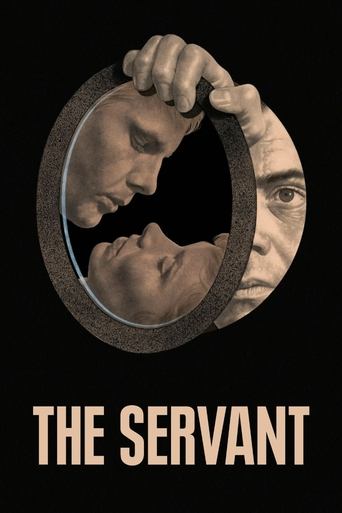
The Servant
3

The Servant

1963 · dir. Joseph Losey · 116 min

Joseph Losey and Harold Pinter turn a Chelsea house into a battlefield of manners, with Dirk Bogarde's Barrett slowly reversing the master-servant dynamic. The billiards room is the film's quiet centre, where the game is played with a cue and a smile.

The Servant → The Long Good Friday

The Link

The Servant's drawing-room cruelty gives way to the East End pub, where the same performance of power is played for higher stakes. Hoskins's Shand is a hustler on a grand scale, and the film's tragedy is that he cannot see the con until it is too late.

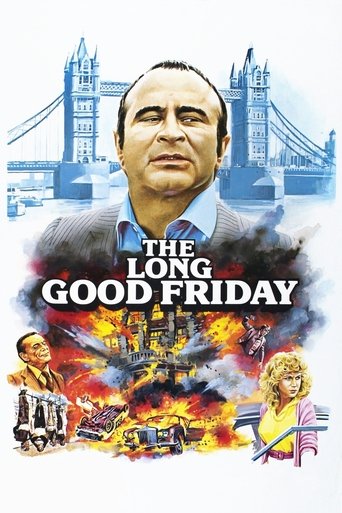
The Long Good Friday
4

The Long Good Friday

1980 · dir. John Mackenzie · 114 min

Bob Hoskins's Harold Shand is a London gangster whose empire is built on performance, and the film's violence has the same sudden, intimate quality as a bad break. The pub and club scenes give it a working-class texture that the pool halls of the era share.

The Long Good Friday → The Hit

The Link

Another British crime film of the same moment, but where The Long Good Friday is all noise and bluster, The Hit is about the con of stillness. Stamp's Willie Parker is a man who has learned to wait, and the film's tension comes from the gap between what he shows and what he knows.

The Hit
5

The Hit

1984 · dir. Stephen Frears · 98 min

Stephen Frears's cool, sun-bleached thriller about a gangster (Terence Stamp) who has spent ten years in hiding and the young hitman (Tim Roth) sent to collect him. The film is a study in patience and the performance of calm.

The Hit → The Grifters

The Link

Frears moves from the British underworld to the American grift, and the theme of the con becomes explicit. Where The Hit was about waiting, The Grifters is about the moment of action, the small betrayal that turns a performance into a theft.

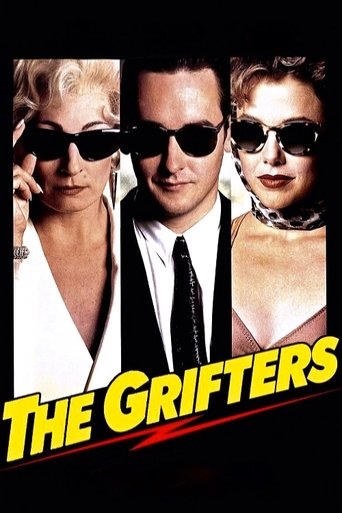
The Grifters
6

The Grifters

1990 · dir. Stephen Frears · 110 min

Stephen Frears again, this time in America, adapting Jim Thompson's novel about a small-time con man (John Cusack) caught between his mother (Anjelica Huston) and his girlfriend (Annette Bening). The film is a masterclass in the performance of trust.

The Grifters → House of Games

The Link

The Grifters offers the con as family romance; House of Games offers it as a closed system, a game with its own grammar. Both films are about the education of a novice, which links them back to The Color of Money and its pupil-teacher dynamic.

House of Games
7

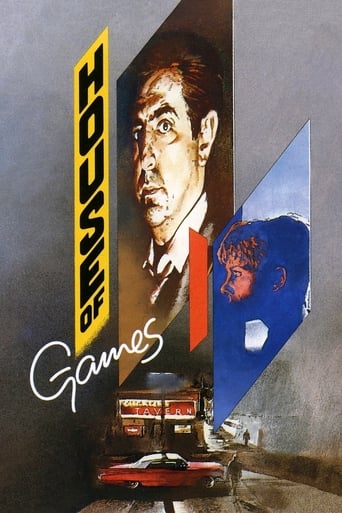
House of Games

1987 · dir. David Mamet · 102 min

David Mamet's directorial debut, a puzzle-box thriller about a psychiatrist (Lindsay Crouse) drawn into a world of con artists. The dialogue is Mamet's usual staccato, and the film's pleasure is in watching the marks learn the rules.

House of Games → The Sting

The Link

The chain ends with the most famous con of them all, and the one that most clearly echoes The Color of Money's lesson: the long game is the only game. Newman's presence here, twenty-five years after The Hustler and thirteen before The Color of Money, closes the circle.

The Sting
8

The Sting

1973 · dir. George Roy Hill · 129 min

George Roy Hill's Depression-era caper, with Paul Newman and Robert Redford as a pair of grifters setting up an elaborate revenge. The film is all surface charm and meticulous plotting, and the final twist is a lesson in how to lose on purpose.

Where this chain leads

Log in to leave a comment.

No comments yet.