The Fly
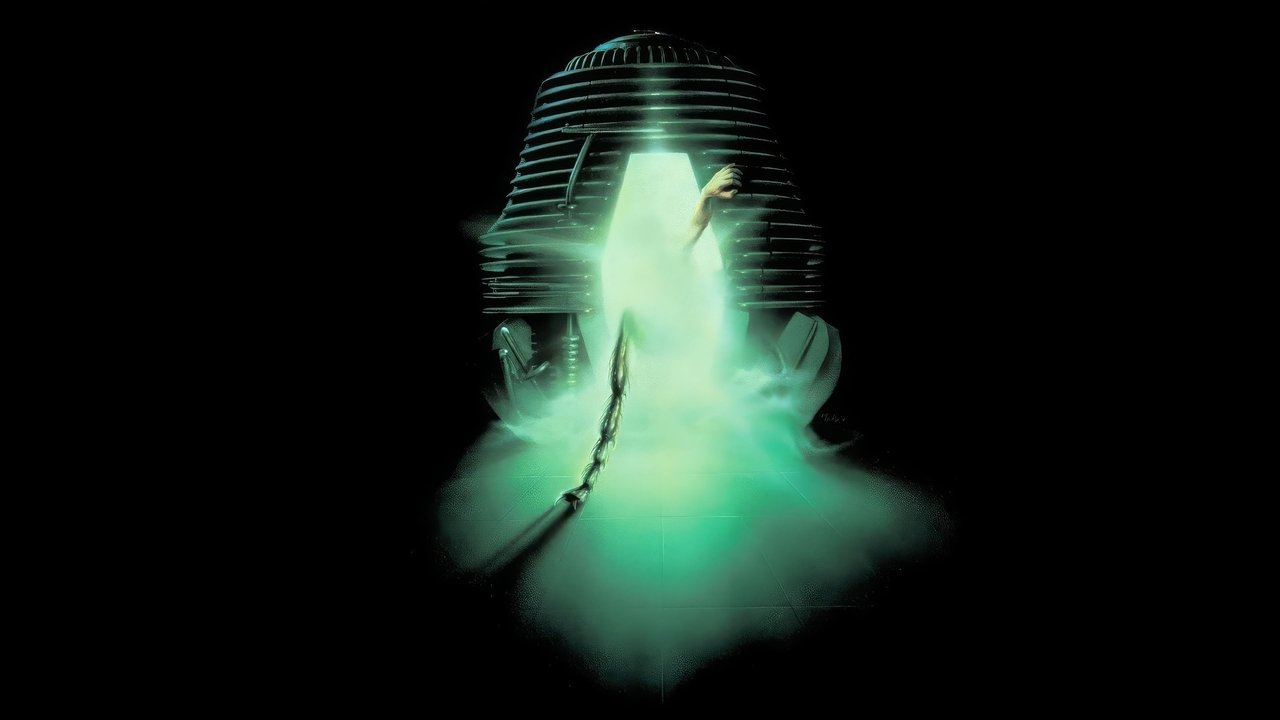
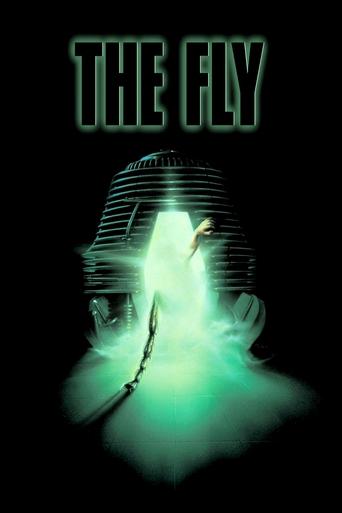
Cronenberg's remake of the 1958 horror classic, in which a scientist's teleportation experiment fuses his DNA with a housefly, leading to a harrowing physical and emotional decline.
Chain
From Cronenberg's flesh to Claire Denis's restless bodies, these eight films chart a cinema of transformation that questions where the self ends and the body begins.
Bodies are our most intimate possessions, yet cinema has always found ways to make them strange. This chain begins with the master of bodily unease, David Cronenberg, whose 1986 remake of The Fly turns metamorphosis into a tragic romance. Seth Brundle's slow disintegration is not just horror; it is a meditation on identity's fragility, a theme that ripples through every film that follows.
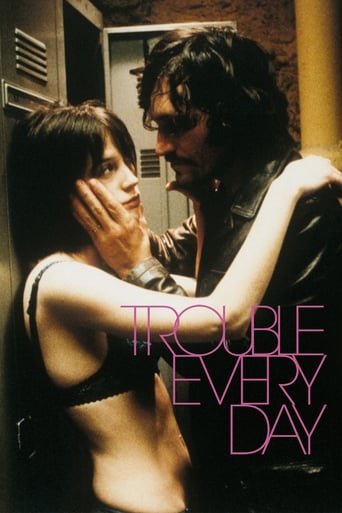
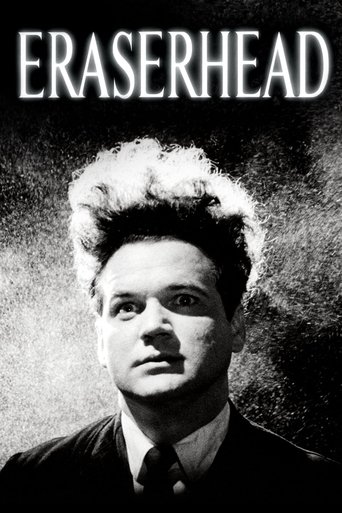
From Cronenberg's clinical grotesquerie, we move to Claire Denis's Trouble Every Day (2001), where desire and disease become indistinguishable. Denis's camera lingers on flesh with a tenderness that makes the violence unbearable, pushing the theme from science fiction into the realm of the sensual and the monstrous. The chain then shifts to the surrealist body of David Lynch's Eraserhead (1977), where transformation is not a process but a state of perpetual dread, and the self dissolves into industrial noise.
European art cinema offers its own mutations. Peter Strickland's Berberian Sound Studio (2012) transforms the body through sound, as Toby Jones's sound engineer is gradually unmoored by the horrors he helps create. Julia Ducournau's Raw (2016) brings the theme to contemporary adolescence, where cannibalistic hunger becomes a metaphor for growing up female. These films share a conviction: the body is not a stable container but a site of constant negotiation.
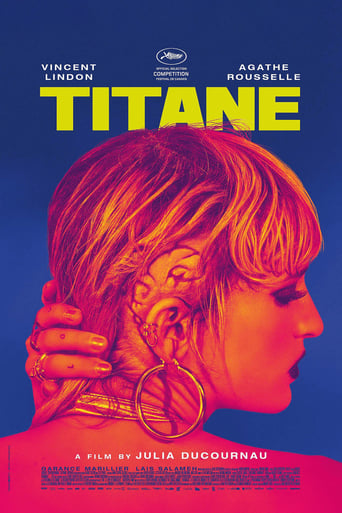
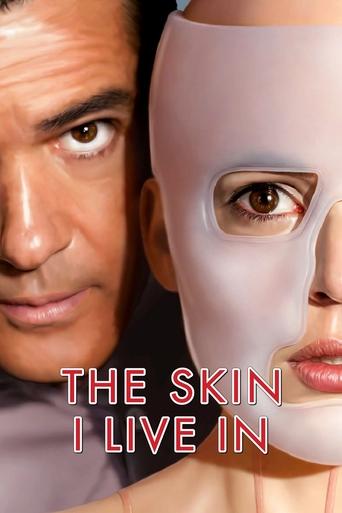
The chain closes with two films that reframe transformation as liberation. Titane (2021), also by Ducournau, fuses metal and flesh in a story of found family and radical self-reinvention. And The Skin I Live In (2011), Pedro Almodóvar's surgical thriller, turns identity into a matter of scalpels and sutures, asking whether we can ever truly escape the bodies we are given. Together, these eight films form a constellation of unease, each one a different answer to the same question: when the body changes, what remains of the self?
Cronenberg's remake of the 1958 horror classic, in which a scientist's teleportation experiment fuses his DNA with a housefly, leading to a harrowing physical and emotional decline.
The Fly → Trouble Every Day
The Link
Where Cronenberg's transformation is a spectacle of special effects, Denis internalises the horror, making the body's betrayal a matter of intimate, unbearable longing.
Claire Denis's erotic horror about a newlywed couple whose honeymoon in Paris collides with a scientist's wife afflicted by an insatiable, cannibalistic desire.
Trouble Every Day → Eraserhead
The Link
Lynch's surrealism dissolves the boundaries between inside and outside, echoing Denis's sense of the body as a foreign territory, but pushing it into a more abstract, nightmarish register.
David Lynch's debut feature, a nightmarish portrait of a man haunted by his deformed child in an industrial wasteland, where the body itself becomes a source of dread.
Eraserhead → Berberian Sound Studio
The Link
Strickland trades the visual grotesquerie of Lynch for an aural assault, showing how transformation can be wrought through sound alone, as the protagonist's identity is slowly overwritten by the film he is mixing.
Peter Strickland's psychological thriller about a British sound engineer who finds himself working on a violent Italian giallo, his sanity eroding as the sounds of torment become his reality.
Berberian Sound Studio → Raw
The Link
Ducournau brings the theme into the realm of coming-of-age, where bodily transformation is inseparable from sexual and social awakening, echoing the sensory disorientation of Strickland's soundscape.
Julia Ducournau's debut feature follows a vegetarian veterinary student who develops a taste for flesh after a hazing ritual, her awakening paralleled by a growing cannibalistic hunger.
Raw → Titane
The Link
Building on Raw's visceral body horror, Titane pushes transformation into the realm of the mythic, where metal and flesh merge and identity becomes a performance that can be adopted and shed.
Ducournau's Palme d'Or winner follows a woman with a titanium plate in her skull who, after a series of violent acts, assumes the identity of a missing boy, finding an unexpected family.
Titane → The Skin I Live In
The Link
Almodóvar's surgical precision offers a more clinical take on transformation, but one equally unsettling, as the body becomes a canvas for another's will, echoing Titane's themes of constructed identity.
Almodóvar's thriller stars Antonio Banderas as a plastic surgeon who holds a woman captive while perfecting a synthetic skin, a tale of obsession, revenge, and identity's mutability.
The Skin I Live In → Videodrome
The Link
Returning to Cronenberg, Videodrome reveals the roots of his fascination with media and flesh, and its hallucinatory logic resonates with the identity games of Almodóvar, closing the chain on a note of paranoid transformation.
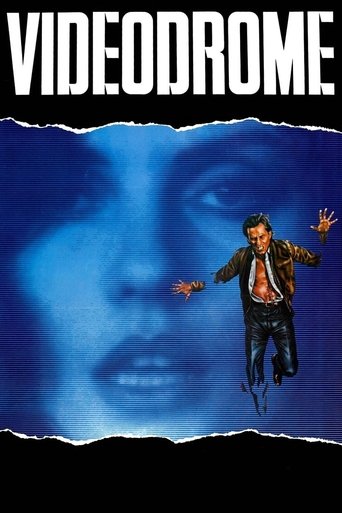
Cronenberg's earlier masterpiece, in which a cable TV programmer discovers a broadcast signal that induces hallucinations and grotesque bodily mutations, blurring the line between reality and media.
Related Chains
Explore
Log in to leave a comment.
No comments yet.