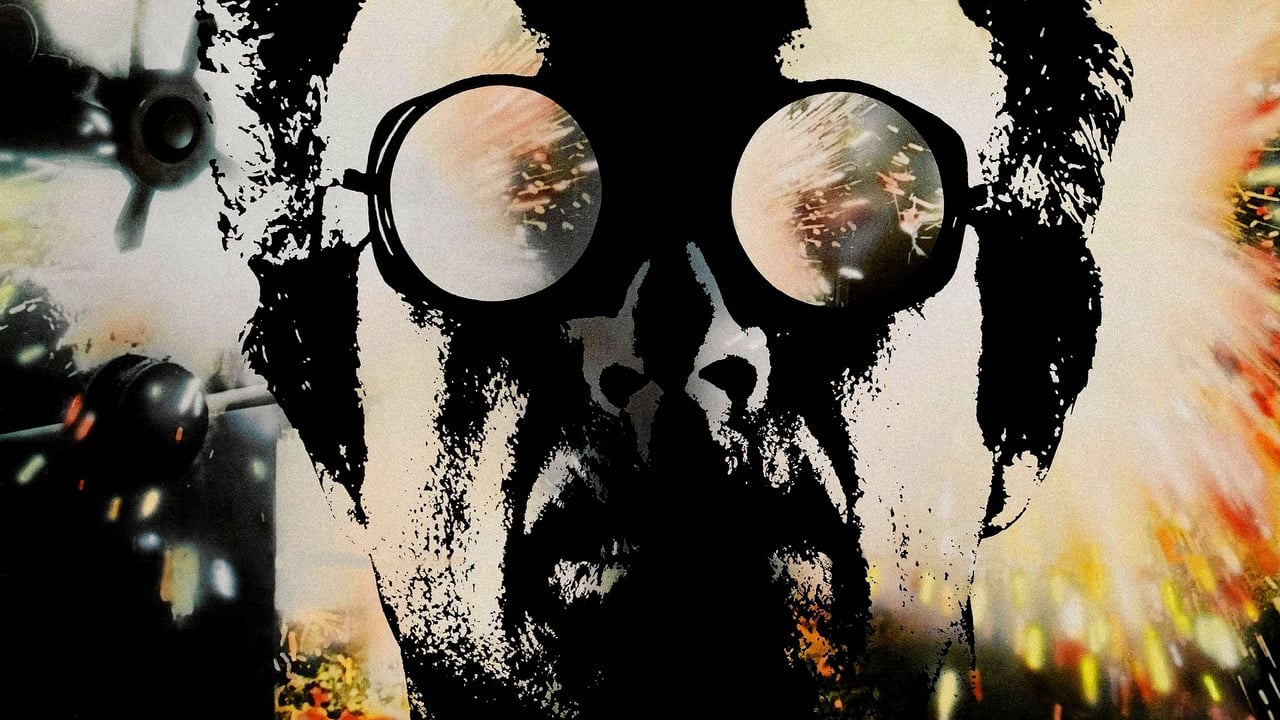
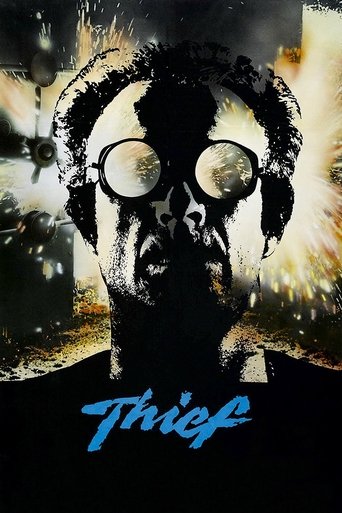
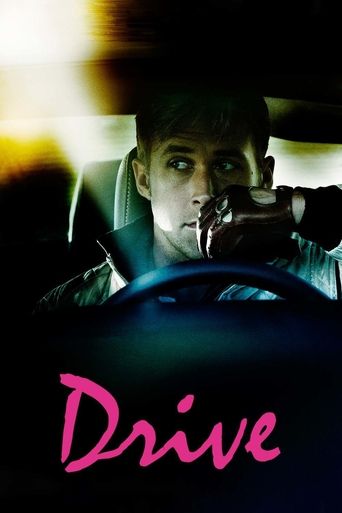
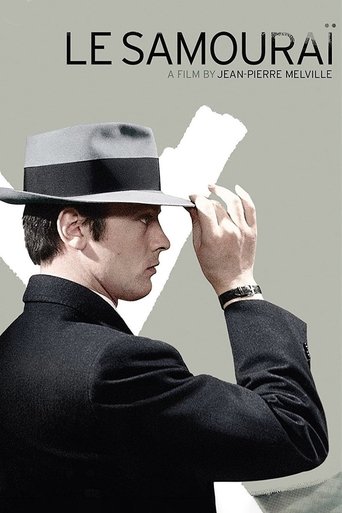
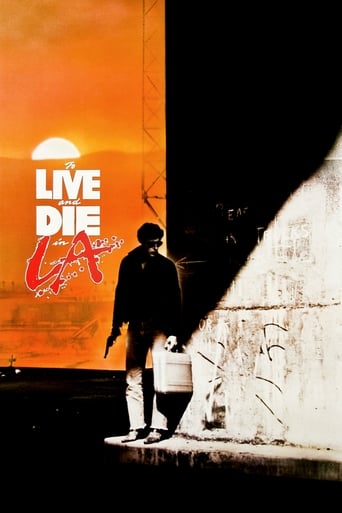
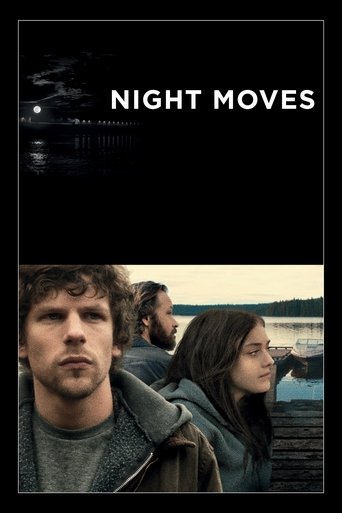
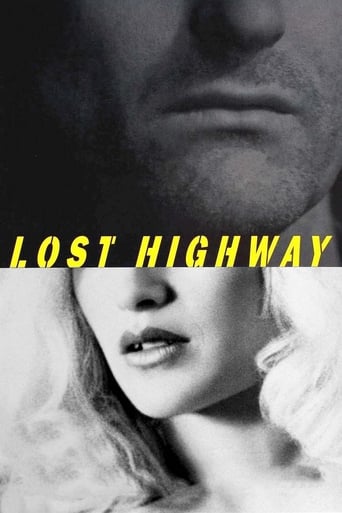
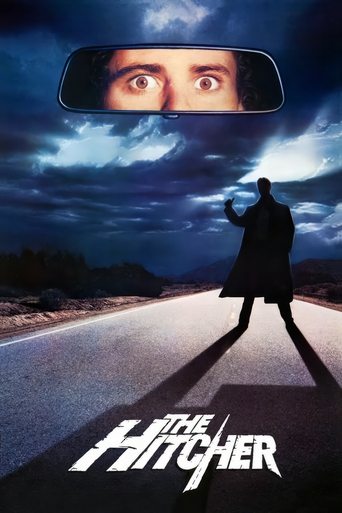
There is a particular thrill in a night drive through a city that never quite sleeps, where the streetlights blur into a smear of colour and the rearview mirror holds more questions than answers. Michael Mann's Thief (1981) understands this intimately. Frank's opening drive across Chicago, set to Tangerine Dream's pulsing score, is not just a stylish prelude; it is a declaration of intent. The city is a labyrinth of conscience, and every red light is a moment of moral reckoning. Mann's film, with its rain-slicked asphalt and the cold blue glow of industrial parks, establishes the night drive as the neo-noir hero's true arena: a place where the line between right and wrong dissolves into the static of the radio.
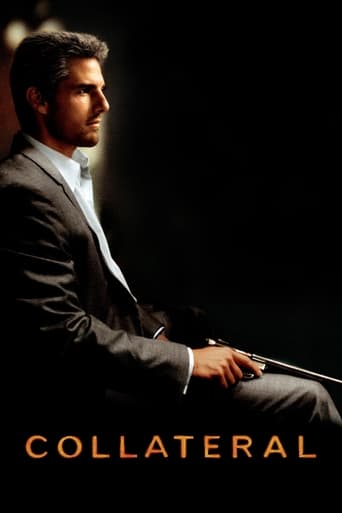
This chain follows that road into the fog, tracing how filmmakers after Mann have used the nocturnal city to externalise their protagonists' internal fractures. Each film takes the wheel from the last, shifting gear from the professional's code to the amateur's desperation, from the lone wolf to the reluctant driver. The sequence is not a ranking but a route map through moral ambiguity, where the destination matters less than the detours. You will find the neon-soaked boulevards of Los Angeles, the rain-slicked alleys of Paris, and the forgotten highways of the American Southwest, all rendered in the language of shadow and chrome.
What binds these films is a shared grammar: the close-up on a hand gripping the wheel, the long take of a car gliding through traffic, the soundtrack that pulses like a heartbeat. But the true through-line is the driver's solitude. Whether a hitman, a getaway driver, or a grieving father, each protagonist is defined by their relationship to the road. The car is both sanctuary and cage, a place to think or to escape thought. As the chain unfolds, you will see the night drive evolve from a professional necessity to a psychological compulsion, and finally to a desperate act of survival.
This is a journey best taken at night, with the volume up and the lights low. It rewards the patient viewer who is willing to sit with discomfort, to let the moral fog settle. These are not films about easy answers; they are films about the questions that surface when the city is quiet and the only sound is the hum of the engine. So buckle up, adjust your mirrors, and keep your eyes on the road. The way ahead is uncertain, but that is precisely the point.