The Man Who Knew Too Much
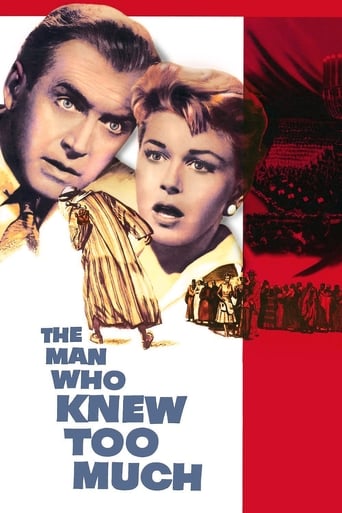
Hitchcock's Technicolor remake of his own 1934 thriller, starring James Stewart and Doris Day, builds suspense around a kidnapped son and an assassination plot at the Royal Albert Hall.
Chain
From Hitchcock to Mann, a journey through films where directors revisit their own earlier work, refining obsession into art.
There is a peculiar thrill in watching a director return to their own earlier film, armed with decades of craft and a sharper sense of what they were really chasing. Alfred Hitchcock's 1956 version of The Man Who Knew Too Much is not merely a gloss on his 1934 original; it is a meditation on suspense itself, trading the jaunty urgency of the pre-Code era for the cold, operatic dread of a master at the height of his powers. The later film keeps the bones of the plot, a kidnapped child and a concert assassination, but slows the pulse, letting every glance and every note of the score carry weight. It is the rare remake that feels less like a do-over and more like a confession.
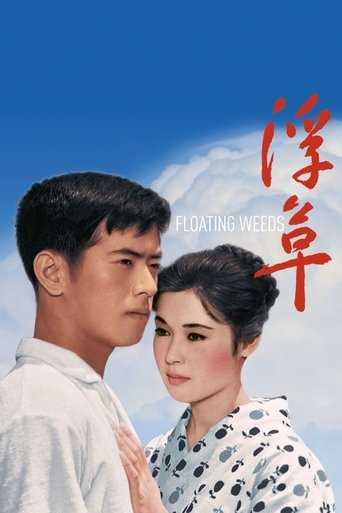
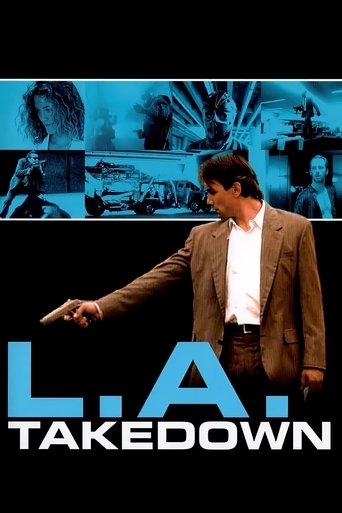
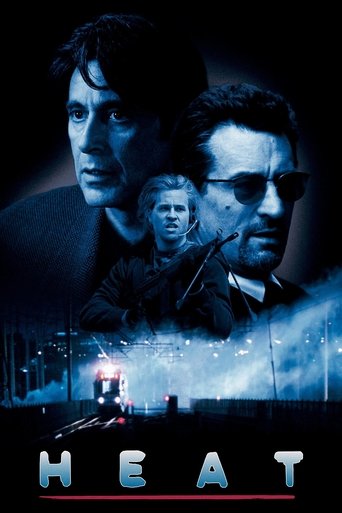
This chain follows that impulse across cinema, from Ozu's gentle reworking of his silent A Story of Floating Weeds into the colour-drenched Floating Weeds, to Michael Mann's transformation of his own TV film LA Takedown into the sprawling, heat-hazed epic Heat. Each pairing asks the same question: what changes when a filmmaker looks back? The answer is rarely about plot. It is about texture, about the confidence to let a scene breathe, and about the way time reshapes a director's relationship with their own material.
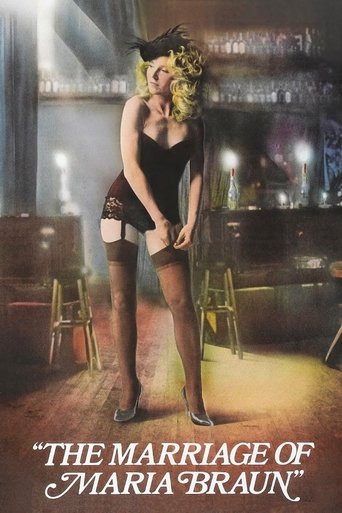
Fassbinder's The Marriage of Maria Braun, though not a literal remake, belongs here as a reimagining of post-war Germany that he had circled for years, a myth he kept rewriting until it cut bone. And Takashi Miike's 13 Assassins, while remaking Eiichi Kudo's 1963 chambara, channels the same spirit of revision, taking a genre template and pushing it toward something more brutal and more mournful. These are films about second drafts, about the courage to revisit and the wisdom to know what to leave behind.
Hitchcock's Technicolor remake of his own 1934 thriller, starring James Stewart and Doris Day, builds suspense around a kidnapped son and an assassination plot at the Royal Albert Hall.
The Man Who Knew Too Much → The Man Who Knew Too Much
The Link
Watching the 1934 original after the 1956 version reveals how Hitchcock's craft matured, trading youthful energy for a deeper, more patient dread.
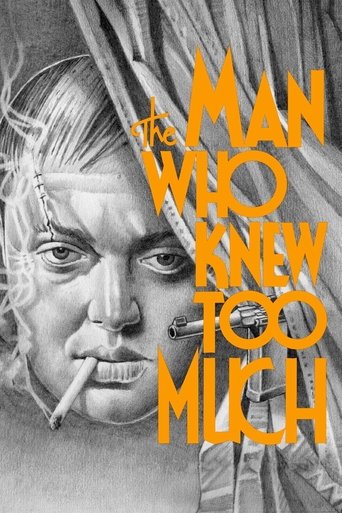
The lean, black-and-white original that Hitchcock made in Britain, faster and more cynical, with a famous climax at the London Pavilion.
The Man Who Knew Too Much → A Story of Floating Weeds
The Link
Like Hitchcock, Ozu returned to his own narrative years later, but this silent original shows the emotional core he would later refine with colour and sound.
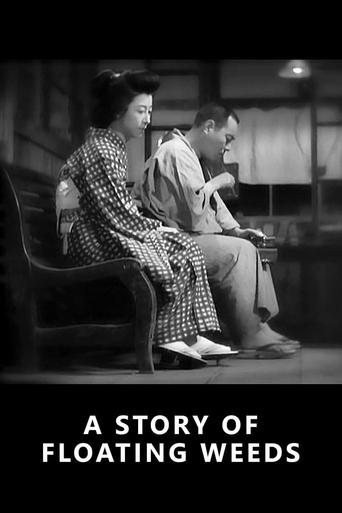
Ozu's silent film about a travelling actor who revisits a former lover and the son he abandoned, shot with his characteristic low-angle stillness.
A Story of Floating Weeds → Floating Weeds
The Link
The leap from silent to colour, from 1934 to 1959, mirrors the director's own evolution, turning a simple tale into a meditation on time and regret.
Ozu's colour remake, set in a seaside town, deepens the family drama and adds a new layer of melancholy, with luminous cinematography by Kazuo Miyagawa.
Floating Weeds → L.A. Takedown
The Link
After Ozu's patient remakes, Mann's own do-over shows how a director can take a dry run and turn it into a defining statement.
Mann's TV movie, a lean precursor to Heat, follows a detective and a master thief on a collision course, with many of the same beats but a smaller canvas.
L.A. Takedown → Heat
The Link
Heat transforms the earlier film's efficient thriller into a sprawling character study, proving that a remake can be a director's true first draft.
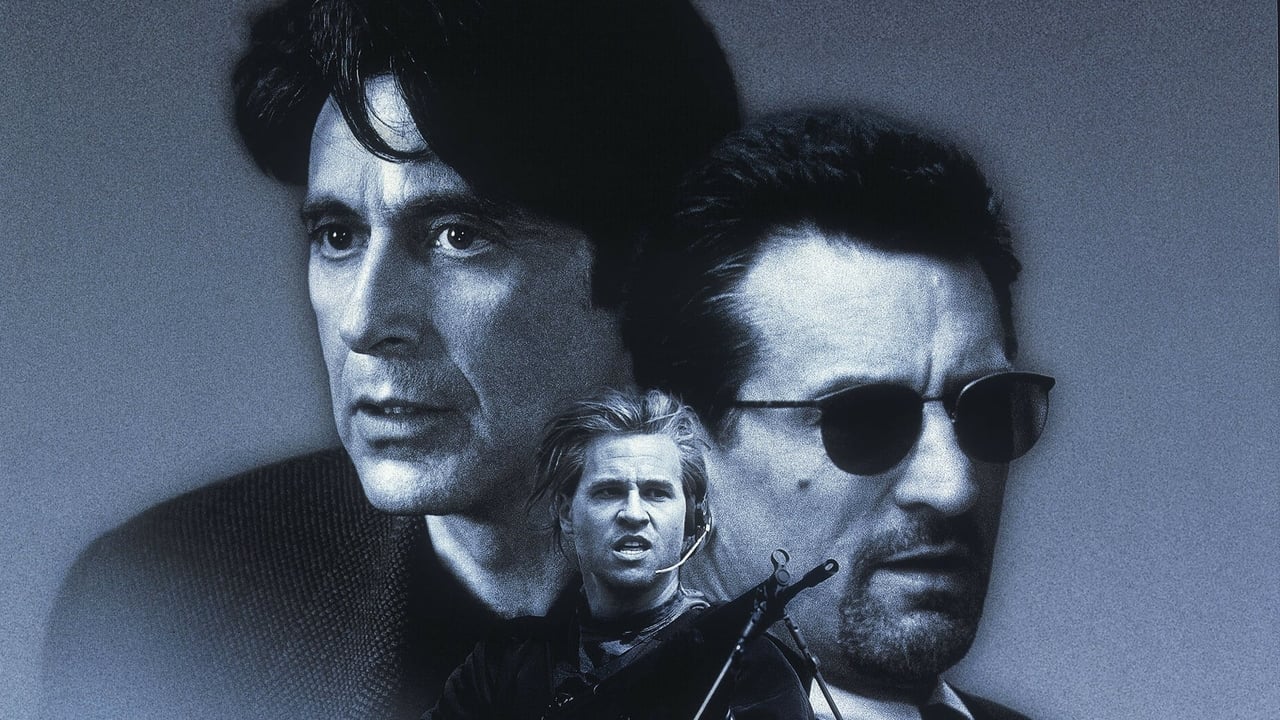
Mann's magnum opus, with Al Pacino and Robert De Niro in their first on-screen pairing, expands LA Takedown into a three-hour crime symphony of Los Angeles.
Heat → The Marriage of Maria Braun
The Link
Fassbinder's film, though not a literal remake, revisits the same historical wounds he had explored in earlier works, rewriting Germany's myth of recovery with bitter irony.
Fassbinder's tale of a woman who claws her way through post-war Germany, starring Hanna Schygulla, is the first in his BRD trilogy, a savage portrait of economic miracle and moral decay.
The Marriage of Maria Braun → 13 Assassins
The Link
Miike takes a genre classic and injects it with his own visceral style, showing that remaking another's film can be as personal as remaking your own.
Miike's samurai epic, a remake of Eiichi Kudo's 1963 film, follows a band of warriors who must stop a sadistic lord, culminating in a forty-minute battle sequence.
Related Chains
Explore
Log in to leave a comment.
No comments yet.