Greaser's Palace
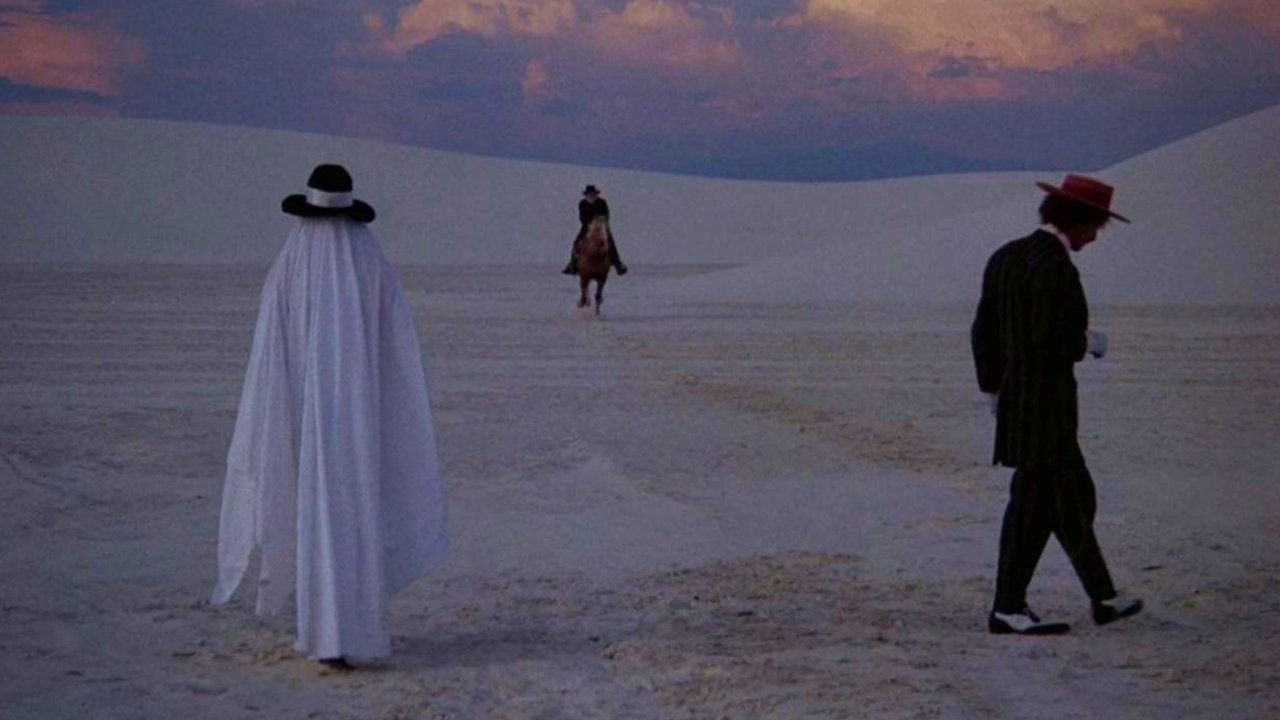
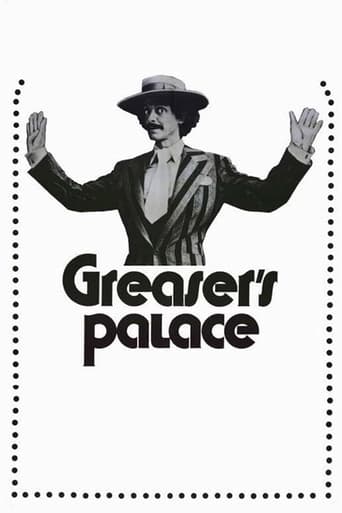
Robert Downey Sr.'s surreal western reimagines the Gospel as a vaudeville show, with a Christ figure who performs magic tricks and sings. A cult classic that defies easy description.
Chain
From a surreal western to a psychedelic horror, these films took their franchises in wild new directions and found cult glory.
Sequels usually play it safe: more of the same, a bigger body count, a louder explosion. But every so often a filmmaker decides to tear up the rulebook and make something that barely resembles its predecessor. This chain celebrates those radical departures, the sequels and spin-offs that swapped continuity for chaos and found a devoted audience precisely because they refused to behave.
We begin with Greaser's Palace, Robert Downey Sr.'s anarchic 1972 western that reimagines the Passion of Christ as a vaudeville act. It's not a sequel to anything official, but it acts as a spiritual sequel to the entire genre of the Hollywood western, dismantling its myths with slapstick irreverence. From there we leap to The Saragossa Manuscript, Wojciech Has's 1965 narrative labyrinth that treats storytelling as a hall of mirrors, a structural anomaly that influenced generations of filmmakers.
The chain then winds through the strangest corners of franchise cinema: a silent-film sequel that turns a horror classic into a slapstick comedy, a Hong Kong action sequel that becomes a philosophical meditation on violence, a horror sequel that abandons its own mythology for a family drama, a sci-fi sequel that trades spectacle for existential dread, and a comedy sequel that deconstructs the very idea of sequels. Each film is a testament to the power of creative disobedience.
These are films that reward the curious viewer, the one who wants to see what happens when artists are given a franchise and choose to burn it down. They may not have made their studios happy, but they made cinema richer. This is a journey through the alternative history of the sequel, where the most interesting stories are the ones that refuse to follow the map.
Robert Downey Sr.'s surreal western reimagines the Gospel as a vaudeville show, with a Christ figure who performs magic tricks and sings. A cult classic that defies easy description.
Greaser's Palace → The Saragossa Manuscript
The Link
Where Greaser's Palace deconstructs the western, The Saragossa Manuscript deconstructs narrative itself, offering a structurally radical experience that feels like a spiritual sequel to every linear story ever told.
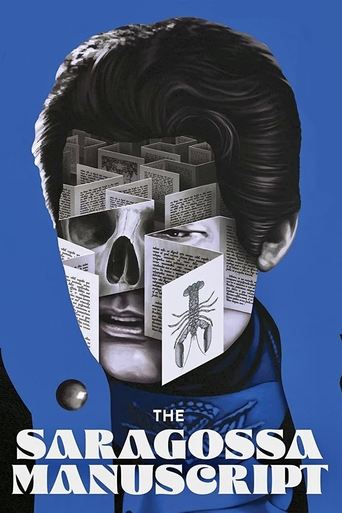
Wojciech Has's epic narrative puzzle, based on Jan Potocki's novel, unfolds as a series of nested tales within tales, each one interrupting the next. A masterpiece of storytelling that influenced David Lynch and others.
The Saragossa Manuscript → Son of the White Mare
The Link
From the nested stories of The Saragossa Manuscript, we move to a film that pushes visual storytelling into a trance-like state, where the narrative is less important than the hypnotic flow of images.
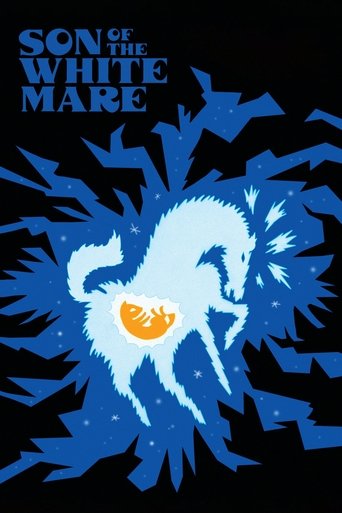
Marcell Jankovics's Hungarian animated film retells a creation myth with fluid, psychedelic visuals that transform the screen into a cosmic dance. A cult favourite in animation circles.
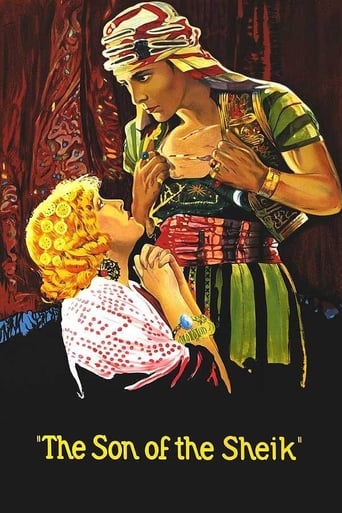
Son of the White Mare → The Son of the Sheik
The Link
Just as Son of the White Mare reimagines myth, The Son of the Sheik reimagines its own source material, shifting from romantic melodrama to action-comedy, proving that sequels can change genre entirely.
Rudolph Valentino's final film, a sequel to The Sheik, turns the desert romance into a swashbuckling adventure with a twist: the hero is the son of the original, and the tone is more playful and self-aware.
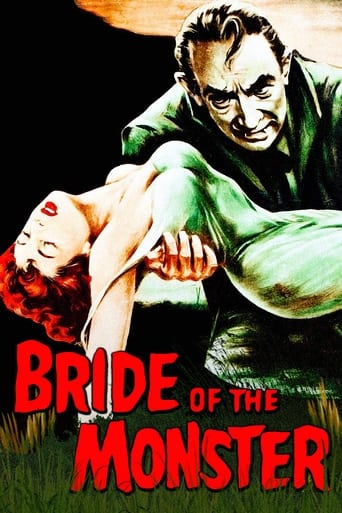
The Son of the Sheik → Bride of the Monster
The Link
From the playful sequel to the Sheik, we descend into Ed Wood's fever dream, which subverts the horror genre not by intent but by its sheer ineptitude, creating a unique cult appeal.
Ed Wood's low-budget horror about a mad scientist who plans to create a race of supermen. A cult classic of so-bad-it's-good cinema, featuring Bela Lugosi in his final role.
Bride of the Monster → The Bride
The Link
Where Bride of the Monster accidentally subverts horror, The Bride deliberately reimagines the Frankenstein story from the creature's perspective, turning a horror classic into a feminist romance.
A loose sequel to Bride of Frankenstein, this gothic romance stars Sting as Baron Frankenstein and Jennifer Beals as his creation, who leaves him to find her own identity. A stylish, melancholic take on the monster myth.
The Bride → The Bride with White Hair
The Link
From the gothic romance of The Bride, we move to a tragic martial arts epic that subverts the typical hero's journey, focusing on doomed love and the cost of violence.
Ronny Yu's Hong Kong wuxia classic about a martial arts master who falls in love with a deadly assassin. The film is known for its tragic romance and stunning action choreography.
Related Chains
Explore
Log in to leave a comment.
No comments yet.