Log in Sign up

The Slow Creep of European Dread

Seven films that prove horror lives in the corner of the frame, not the jump cut. A chain through the quiet, unshakeable dread of European arthouse cinema.

· ·

European arthouse horror has never needed a jump scare. Its dread is architectural, embedded in the frame, the sound design, the refusal to explain. Where Hollywood often reaches for the shock cut, directors from Dreyer to Ramsay build unease through duration, negative space, and the quiet certainty that something is profoundly wrong. This chain traces that lineage, from silent-era hysteria to contemporary folk horror, showing how the continent's filmmakers turned restraint into a weapon.

The journey begins with a 1922 milestone whose 104th anniversary falls this week: Benjamin Christensen's Häxan, a film that treats witchcraft as both historical record and psychological contagion. From there, the chain moves through the 20th century's most unsettling visions, each one deepening the idea that horror is a matter of perspective, not spectacle. You will find no masked killers here, no orchestral stings. Instead, expect the slow dissolve of identity, the menace of a rural community, the uncanny stillness of a house that remembers too much.

Key to this progression is the way each film redefines what constitutes a threat. In Häxan, it is the devil's work and the frailty of the mind. Decades later, in The White Reindeer, it is grief itself, rendered with a chill that never raises its voice. The chain argues that European dread is fundamentally about the unknowability of others, and of ourselves. The final film, a 2023 Cannes winner, brings this full circle, showing that the most terrifying thing is often the story we tell to make sense of the world.

Häxan
1

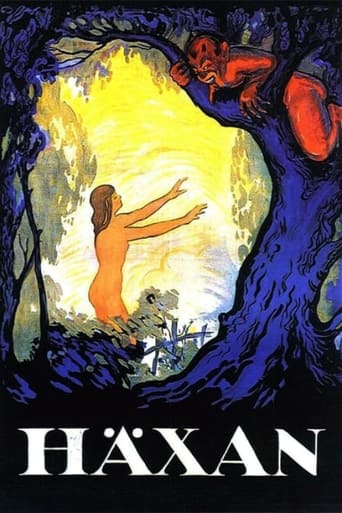
Häxan

1922 · dir. Benjamin Christensen · 105 min

Benjamin Christensen's silent documentary-horror hybrid uses staged reenactments and visual tricks to explore witchcraft through the ages. Its blend of scholarship and nightmare remains uniquely disturbing.

Häxan → Vampyr

The Link

From Häxan's historical tableaux to Dreyer's ethereal nightmare: both treat the supernatural as a matter of perception, but Dreyer replaces Christensen's theatricality with a suffocating, almost documentary realism that makes the uncanny feel inescapable.

Vampyr
2

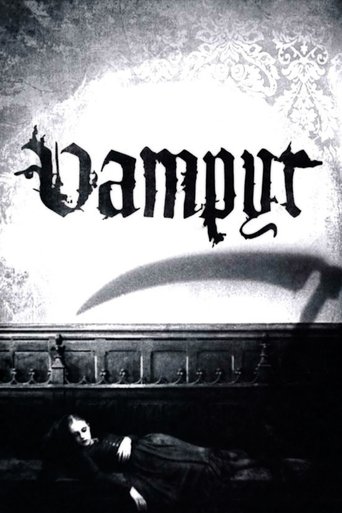
Vampyr

1932 · dir. Carl Theodor Dreyer · 74 min

Carl Theodor Dreyer's dreamlike tale of a young man's encounter with the supernatural in a fog-shrouded village. The film's use of diffuse light and disembodied sounds creates a persistent sense of wrongness.

Vampyr → The White Reindeer

The Link

Vampyr's misty indeterminacy gives way to the stark, snowbound clarity of Blomberg's Lapland. Both films locate horror in the landscape, but here the threat is not a shadowy figure; it is the protagonist herself, a shift that deepens the chain's interest in internalised dread.

The White Reindeer
3

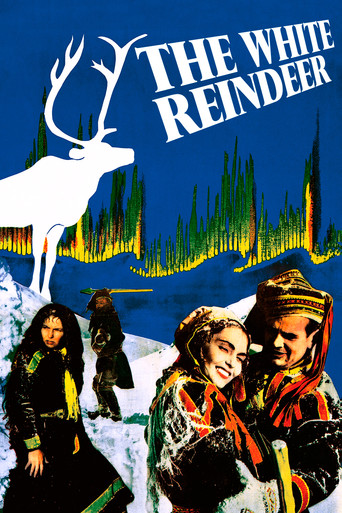
The White Reindeer

1952 · dir. Erik Blomberg · 68 min

Erik Blomberg's Finnish folk horror follows a young Sami woman who becomes a shape-shifting predator after a shaman's curse. Its snowy landscapes and quiet inevitability are chilling.

The White Reindeer → Hour of the Wolf

The Link

The White Reindeer's externalised curse becomes, in Bergman, a crisis of the mind. Both films trap their protagonists in isolated landscapes, but Bergman replaces folklore with psychoanalysis, turning the camera inward to find the monster.

Hour of the Wolf
4

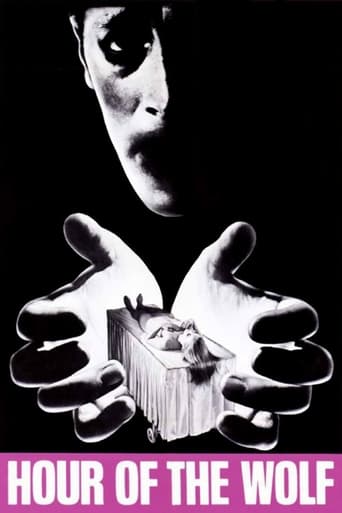
Hour of the Wolf

1968 · dir. Ingmar Bergman · 88 min

Ingmar Bergman's only outright horror film depicts an artist's psychological disintegration on a remote island. The demons are both real and imagined, and the line between them collapses.

Hour of the Wolf → The Shout

The Link

Bergman's internal demons are externalised again in Skolimowski's film, where a single sound can kill. The move from island isolation to an English coastal village tightens the chain's focus on the intrusion of the inexplicable into ordinary life.

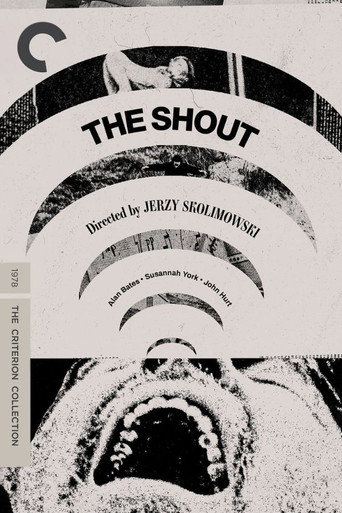
The Shout
5

The Shout

1978 · dir. Jerzy Skolimowski · 86 min

Jerzy Skolimowski's unsettling tale of a mysterious stranger who claims to have killed with a scream. Its fractured narrative and eerie sound design make it a precursor to many modern psychological horrors.

The Shout → The Reflecting Skin

The Link

The Shout's sonic menace gives way to Ridley's visual poetry, where horror is filtered through a child's gaze. Both films use a fragmented narrative, but Ridley adds a layer of sun-scorched surrealism that makes the dread feel both nostalgic and toxic.

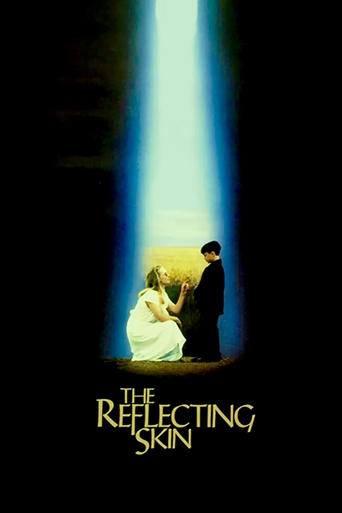
The Reflecting Skin
6

The Reflecting Skin

1990 · dir. Philip Ridley · 95 min

Philip Ridley's gothic coming-of-age story set in 1950s American Midwest, but with a distinctly European sensibility. A young boy's imagination turns his rural surroundings into a landscape of vampires and decay.

The Reflecting Skin → The Strange Color of Your Body's Tears

The Link

From Ridley's sunlit gothic to Cattet and Forzani's neon-drenched nightmare: both use heightened style to convey psychological states, but here the horror is purely cinematic, a chain of images that refuses to resolve into a story.

The Strange Color of Your Body's Tears
7

The Strange Color of Your Body's Tears

2014 · dir. Hélène Cattet · 102 min

Hélène Cattet and Bruno Forzani's giallo-inspired puzzle film is a sensory assault of colour, sound, and architecture. A man searches for his missing wife in a labyrinthine apartment building.

Where this chain leads

Log in to leave a comment.

No comments yet.