Log in Sign up

Italian Genre Gold

From Eurospy to spaghetti westerns and gothic horror, this chain celebrates the wild stylistic energy of Italian genre cinema in the 1960s and 1970s, with a nod to the charismatic Tony Kendall.

· ·

Italian genre cinema of the 1960s and 1970s is a playground of stylistic excess and narrative invention. These films, made quickly and often with international casts, defined a certain kind of movie magic: the spy thriller with a jazz soundtrack, the western with a Morricone score, the horror film that drips with gothic atmosphere. They were designed to entertain, and they did so with a panache that still feels fresh today.

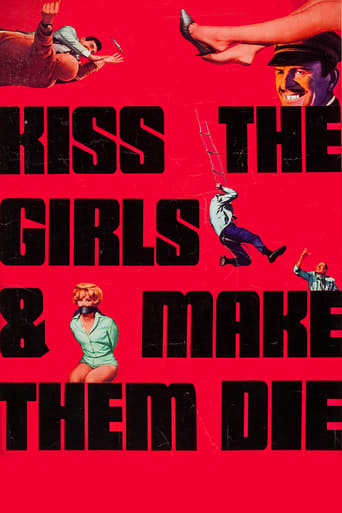
This chain begins with the Eurospy craze, a direct answer to James Bond, but with a distinctly Italian flavour. Kiss the Girls and Make Them Die (1966) is a perfect example, starring Tony Kendall as a secret agent who is as comfortable in a tuxedo as he is in a fight. Kendall, a regular of the genre, brings a charm and physicality that made him a favourite among Eurospy fans. From there, we move to the western, where the Italian influence redefined the genre with Django (1966), a film that turned the western into a brutal, stylised ballet of violence. Its success spawned countless imitators, but few matched its raw energy.

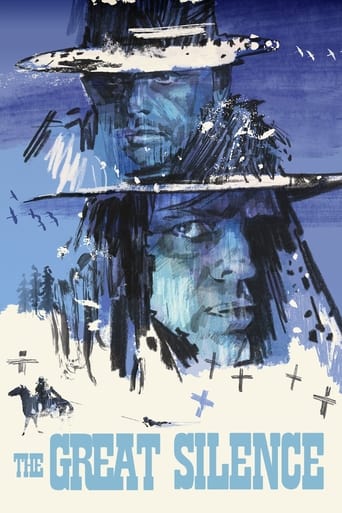
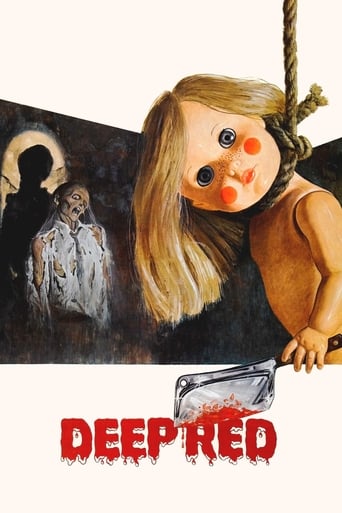
The chain then takes a turn into horror, where Italian filmmakers excelled at creating atmospheric chills. Kill, Baby, Kill (1966) is a gothic masterpiece from Mario Bava, full of eerie visuals and a haunting sense of dread. Bava's work influenced a generation, including Dario Argento, whose Deep Red (1975) is a giallo that combines a murder mystery with operatic violence. The chain also includes The Great Silence (1968), a western that subverts the genre's conventions with its bleak ending and political undertones, and What Have You Done to Solange? (1972), a giallo that blends a schoolgirl murder mystery with a social conscience.

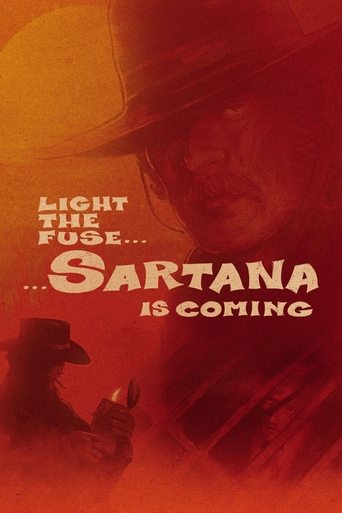
Finally, we return to Tony Kendall with Light the Fuse...Sartana Is Back (1970), a film that brings the Eurospy cycle full circle. Kendall's performance here is a reminder of why these films were so beloved: they were fun, fast, and never took themselves too seriously. This chain is a journey through the wild, colourful, and endlessly inventive world of Italian genre cinema, a world that continues to inspire filmmakers and delight audiences today.

Kiss the Girls and Make Them Die
1

Kiss the Girls and Make Them Die

1966 · dir. Dino Maiuri · 106 min

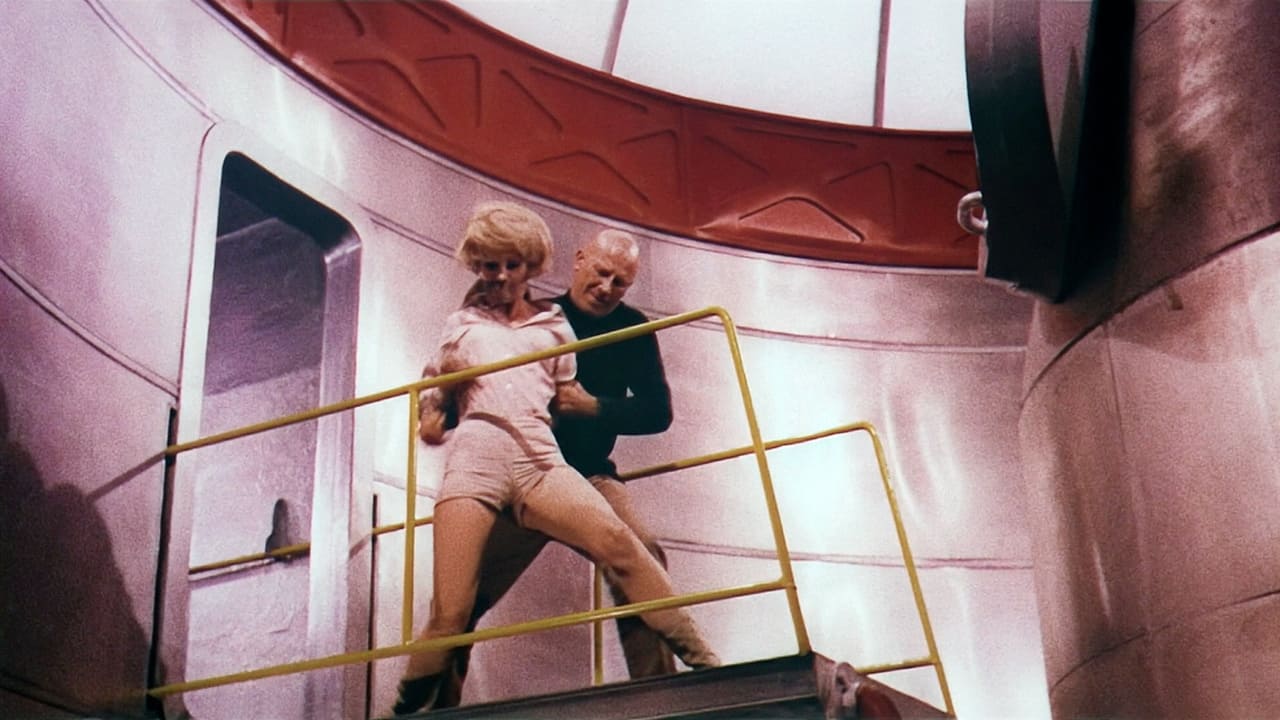
A Eurospy adventure where agent Mike Connors (Tony Kendall) battles a villain who plans to sterilise the female population via a hijacked satellite. A quintessential example of the genre's mix of espionage, camp, and style.

Kiss the Girls and Make Them Die Django

The Link

From the Eurospy world of Kiss the Girls and Make Them Die, we move to the western, where Italian filmmakers brought the same stylistic flair and a more cynical edge. Django's anti-hero and its stark, violent landscape offer a stark contrast to the suave spy antics, yet both share a love for genre conventions pushed to their limits.

Django
2

Django

1966 · dir. Sergio Corbucci · 92 min

Sergio Corbucci's brutal western that introduced the iconic coffin-dragging gunslinger, played by Franco Nero. Its blend of violence and melancholia redefined the spaghetti western.

Django Kill, Baby... Kill!

The Link

After the dusty plains of Django, we enter the fog-laden village of Kill, Baby, Kill. Bava's film shares the same period and a similar sense of fatalism, but replaces gunfights with supernatural terror, showing the range of Italian genre cinema in a single year.

Kill, Baby... Kill!
3

Kill, Baby... Kill!

1966 · dir. Mario Bava · 83 min

Mario Bava's gothic horror about a doctor who arrives in a Transylvanian village plagued by the ghost of a young girl. A masterpiece of atmosphere and visual storytelling.

Kill, Baby... Kill! The Great Silence

The Link

The Great Silence deepens the western's darkness, echoing the fatalism of Kill, Baby, Kill but grounding it in social commentary. The mute protagonist and the brutal climax offer a more pessimistic view than Django, yet both films share a stylistic boldness and a willingness to subvert expectations.

The Great Silence
4

The Great Silence

1968 · dir. Sergio Corbucci · 107 min

Another Corbucci western, set in a snowbound Utah, where a mute gunslinger (Jean-Louis Trintignant) faces off against corrupt bounty hunters. Notable for its downbeat ending and political allegory.

The Great Silence Deep Red

The Link

From the snowy western of The Great Silence, we leap into the neon-lit streets of Rome in Deep Red. Argento's film channels the same visual flair and violence but shifts to a contemporary urban setting, blending mystery and horror in a way that would define the giallo for years to come.

Deep Red
5

Deep Red

1975 · dir. Dario Argento · 127 min

Dario Argento's giallo classic about a pianist who witnesses a murder and becomes entangled in a web of psychological intrigue. A landmark of Italian horror with a memorable Goblin score.

Deep Red What Have You Done to Solange?

The Link

Where Deep Red is pure Argento, What Have You Done to Solange? offers a more socially conscious giallo, but with the same visual panache. The connection lies in the genre's ability to blend murder mystery with commentary on societal corruption, a theme that runs from the westerns to the horror films of this era.

6

What Have You Done to Solange?

A giallo directed by Massimo Dallamano, where a teacher investigates the murders of schoolgirls, uncovering a conspiracy that implicates those in power. A stylish and suspenseful entry in the genre.

What Have You Done to Solange? Light the Fuse… Sartana Is Coming

The Link

After the giallo's psychological twists, we return to the lighter, more action-oriented world of the Eurospy. Light the Fuse brings back Tony Kendall, whose presence in the first film of this chain bookends the journey, showing the enduring appeal of the spy genre and Kendall's charisma.

Light the Fuse… Sartana Is Coming The Bird with the Crystal Plumage

The Link

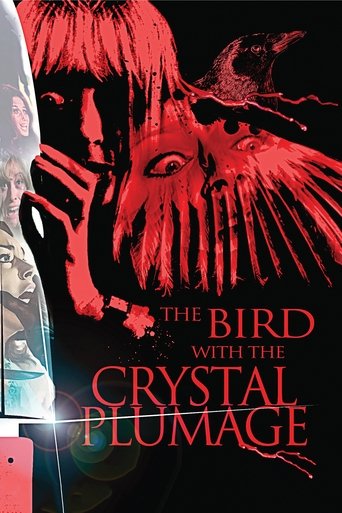
This film, released the same year as Light the Fuse, offers a different kind of Italian genre cinema: the giallo's elegant suspense. Yet it shares the Eurospy's love for international settings and stylish violence, and its success paved the way for Deep Red, making it a perfect coda to this chain.

The Bird with the Crystal Plumage
8

The Bird with the Crystal Plumage

1970 · dir. Dario Argento · 96 min

Dario Argento's directorial debut, a giallo about an American writer who witnesses an attempted murder and becomes the killer's next target. A stylish and influential thriller.

Where this chain leads

Genres

  • Comedy
  • Action
  • Western
  • Horror
  • Drama
  • Mystery
  • Thriller

Log in to leave a comment.

No comments yet.