Log in Sign up

When the Camera Refuses to Look Away

An unbroken shot can be a stunt or a sermon. This chain follows the long take from Hitchcock's parlour trick to a one-take voyage through the Hermitage, asking when duration becomes a moral position.

· ·

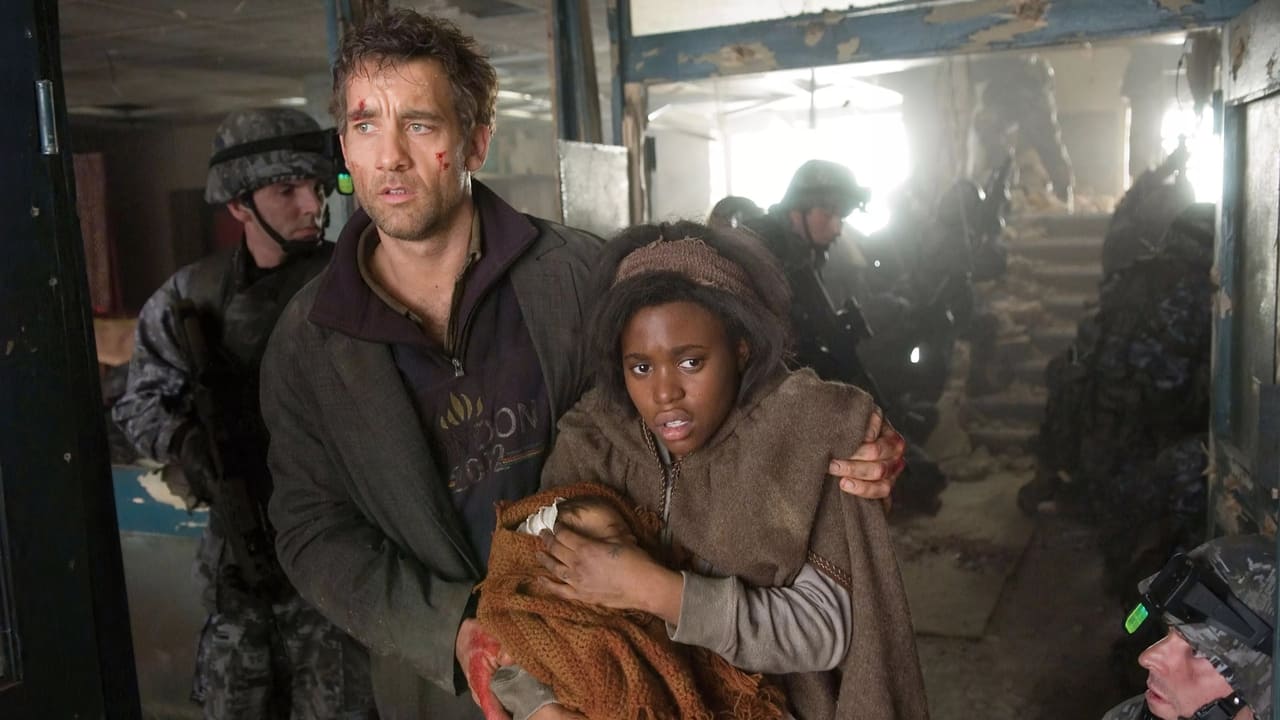
Twenty years on, the ambush on the Forest Road in Children of Men still lands like a held breath. Alfonso Cuaron and cinematographer Emmanuel Lubezki keep the camera inside the car, then inside the chaos, refusing the cut that would let us relax into spectatorship. In a film about a species that has stopped making a future, the unbroken take is not decoration: it is the formal expression of a world with no exit, and of Theo's slow, unwilling commitment to someone else's survival. The sequence lasts minutes; the moral weight lasts longer.

That is the argument this chain tests. A long take can be a flourish, a boast, a fairground ride. It becomes an argument when the camera's refusal to cut implicates the viewer in what it shows: complicity, endurance, the impossibility of looking away. The films gathered here span eighty years and several continents, from a single apartment in 1940s Hollywood to a single night in Berlin, and each one uses duration as a form of pressure rather than display.

The journey begins with the obvious ancestor, Hitchcock's Rope, a film whose seams are half the point, and travels through Sokurov's unbroken drift through Russian history, Sebastian Schipper's real-time Berlin night, and Bi Gan's dream logic, where the long take dissolves the border between memory and wish. Somewhere in the middle sits a film that is not a long take at all but a study in the ethics of duration, and it earns its place by asking the same question in a different key.

Watch them in order and a pattern emerges. The camera holds, and we are held. Whether the subject is a murder, a museum, a city at night, or a lost love, the refusal to cut becomes a way of refusing to let the audience off the hook. By the end, the question is no longer how they did it, but what it costs to keep looking.

Children of Men
1

Children of Men

2006 · dir. Alfonso Cuarón · 109 min

Cuaron's dystopia turns the long take into a moral instrument: the camera stays with Theo through ambush, birth and grief, so that hope, when it arrives, is something we have physically endured rather than been told about.

Children of Men → Rope

The Link

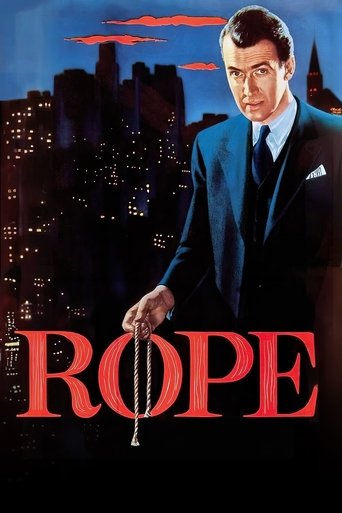
Start here to see the technique before it became a moral test. Hitchcock uses the illusion of one take to trap us at a party with a corpse in a chest, teaching the lesson Cuaron later applies to a collapsing Britain: if the camera will not cut, we cannot pretend we did not see.

Rope
2

Rope

1948 · dir. Alfred Hitchcock · 81 min

Hitchcock's experiment in apparent continuity, staged in a single apartment, where the camera's restlessness becomes a nervous tic of guilt. The cuts are hidden in backs and darkness, but the tension is all in what cannot be shown.

Rope → Russian Ark

The Link

From Hitchcock's claustrophobic parlour to Sokurov's endless corridor: the long take expands from a room to a civilisation. Where Rope hides its cuts, Russian Ark refuses them entirely, turning duration into a meditation on history as something we can only walk through, never edit.

Russian Ark
3

Russian Ark

2002 · dir. Aleksandr Sokurov · 99 min

Sokurov's single unbroken glide through the Winter Hermitage is a ghost story told in one breath, with thousands of performers and three centuries of Russian history passing in a corridor. The camera is a time traveller who cannot stop moving.

Russian Ark → Victoria

The Link

After Sokurov's pageant, Schipper brings the unbroken shot down to street level and real time. The technique is the same, but the stakes are intimate: a stranger's bad decision, a night that will not end, and a camera that refuses to blink.

Victoria
4

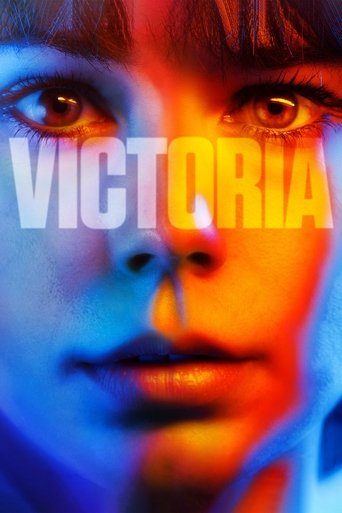
Victoria

2015 · dir. Sebastian Schipper · 138 min

Sebastian Schipper's real-time night in Berlin, shot in one genuine take, follows a Spanish clubber into a bank robbery and a slow emotional unravelling. The camera stays close, and the city becomes a character with its own pulse.

Victoria → Long Day's Journey Into Night

The Link

Where Victoria uses duration to trap us in the present, Bi Gan uses it to dissolve the present altogether. The long take becomes a corridor between waking and dreaming, taking the moral pressure of the earlier films and turning it inward, into the architecture of regret.

Long Day's Journey Into Night
5

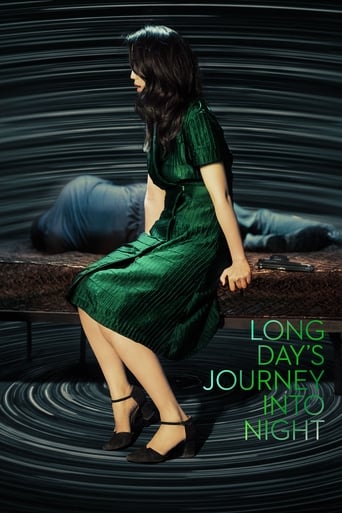
Long Day's Journey Into Night

2018 · dir. Bi Gan · 138 min

Bi Gan's noir dream drifts between memory and hallucination, culminating in a 3D long take that floats through a mountain village like a recovered memory. The film's logic is emotional rather than linear, and the camera is its unconscious.

Long Day's Journey Into Night → Jeanne Dielman, 23, quai du Commerce, 1080 Bruxelles

The Link

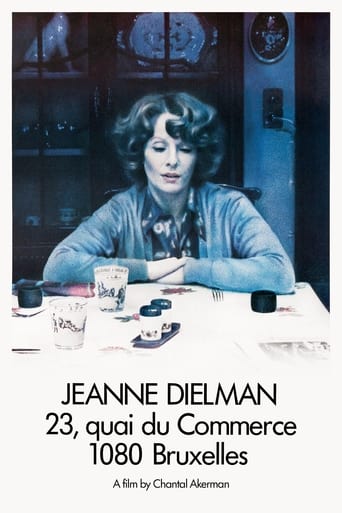
Here the long take is not a feat but a sentence. Akerman shows that duration can be oppressive as well as immersive, and that a camera which refuses to cut can also refuse to grant relief. It is the necessary counterweight to the more virtuosic films in this chain.

Jeanne Dielman, 23, quai du Commerce, 1080 Bruxelles → The Clock

The Link

After Akerman's durational endurance, Marclay offers a different kind of unbroken attention: a film that runs for exactly one day and forces us to experience time as both subject and structure. It is the chain's essay on what it means to sit with duration, and a bridge back to the political urgency of Children of Men.

The Clock
7

The Clock

2010 · dir. Christian Marclay · 1440 min

Christian Marclay's 24-hour montage assembles thousands of film clips in which clocks and watches appear, synchronised to the real time of the screening. It is a long take made of other long takes, and a collective memory of cinema as timekeeping.

The Clock → Elephant

The Link

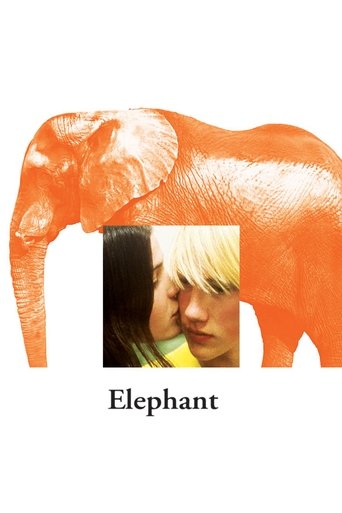
Close with Van Sant, who takes the long take out of the realm of spectacle and into the ordinary. Where Cuaron's camera runs to keep hope alive, Van Sant's walks slowly toward catastrophe, and the contrast makes the chain's central question unavoidable: an unbroken shot is an argument about what we are willing to watch, and for how long.

Elephant
8

Elephant

2003 · dir. Gus Van Sant · 81 min

Gus Van Sant's drifting, Steadicam-heavy account of a school shooting follows students through corridors in long, unhurried takes. The camera's calm is deeply unsettling, and the film's refusal to explain is its most political gesture.

Where this chain leads

Genres

  • Action
  • Science Fiction
  • Thriller
  • Crime
  • Drama
  • Fantasy
  • History
  • Romance

Log in to leave a comment.

No comments yet.