2001: A Space Odyssey
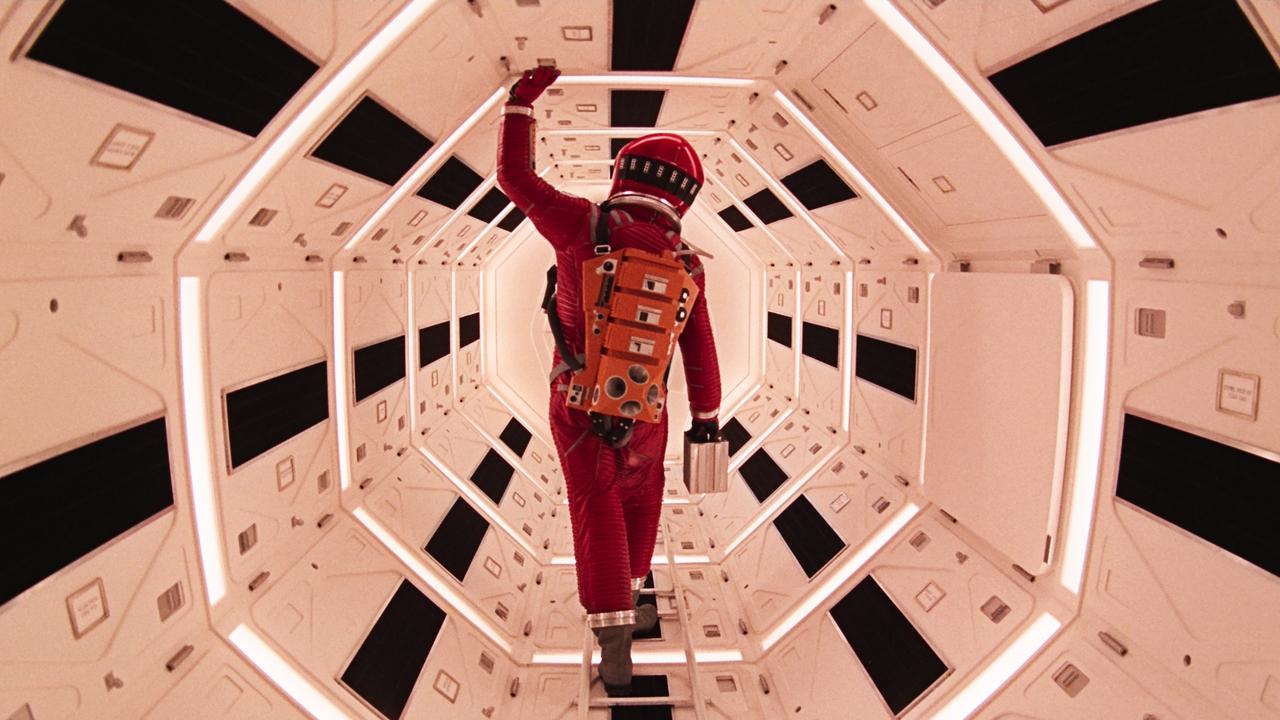
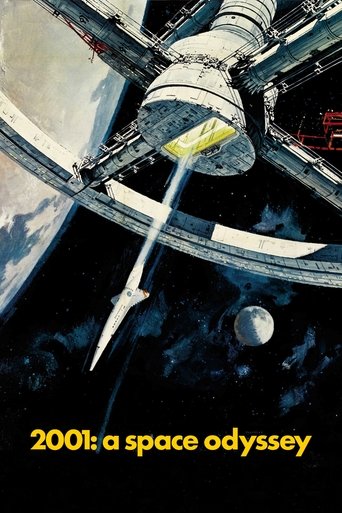
Kubrick's cosmic epic, where a bone tossed into the air becomes a spacecraft, and a sunrise over a monolith marks the next step in human evolution.
Chain
A curated journey through cinema's most radiant and ruthless suns, from the cosmic dawn of 2001 to the scorching end of Sunshine.
There is no image in cinema quite so loaded as the sun. It can herald revelation, as in the bone-to-spacecraft match cut of 2001: A Space Odyssey, or it can promise doom, as in the baleful disc that hangs over the climax of Sunshine. Between these poles lies a whole firmament of films that have used our nearest star to chart human belief, fear, and hope. This chain follows that arc: from the cosmic sublime to the pagan earth, through the science of eclipses, into the warmth of childhood fantasy, and finally to the inferno of our own making.
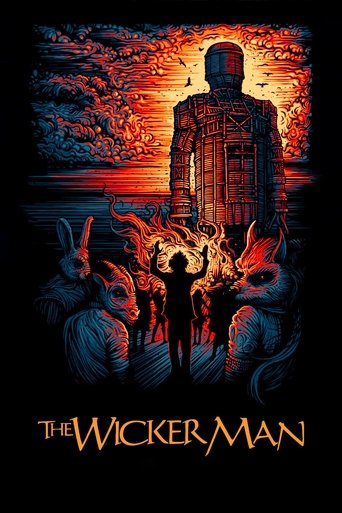
We begin with the sunrise that changed cinema. Stanley Kubrick's 2001 is not a film about the sun, but its dawn is the pivot of human evolution, and its final sunrise over the star child is the most awe-inspiring in film history. From that celestial vantage, we descend to the earthly rituals of The Wicker Man, where the sun is not a cosmic abstraction but a god of flesh and blood, demanding sacrifice. The connection is one of scale: Kubrick's sun is distant and indifferent; Robin Hardy's is intimate and terrifying.
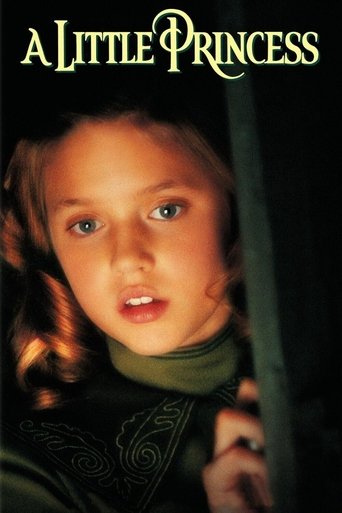
Then we turn to the science of shadows. The 2019 documentary Eclipse, directed by Simon Wynne-Jones, captures the obsessive quest to witness totality, a phenomenon that has driven astronomers and pilgrims alike. It grounds the mythic sun in measurable fact, yet the awe remains. From there, we step into the realm of childhood imagination with Alfonso Cuarón's A Little Princess, where the sun becomes a symbol of resilience and hope, a promise that darkness will lift. The shift is from observation to feeling, from the sky to the heart.
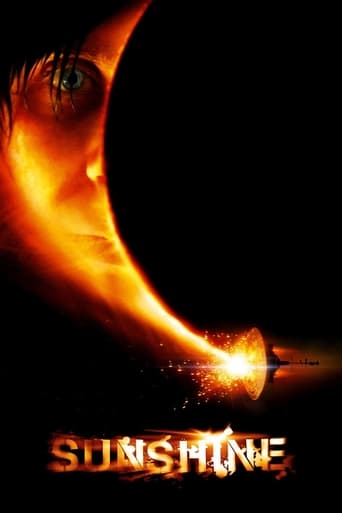
Finally, we confront the sun as destroyer. Danny Boyle's Sunshine takes the premise of a dying sun and flips it: our star is not a giver of life but a threat to be rekindled, and its blinding light becomes a source of madness and annihilation. The chain ends where it began, with a sunrise, but now that sunrise is a weapon. What unites these films is not just the solar motif, but the way each uses the sun to ask a question about our place in the universe: are we its children, its worshippers, its students, its dreamers, or its victims?
Kubrick's cosmic epic, where a bone tossed into the air becomes a spacecraft, and a sunrise over a monolith marks the next step in human evolution.
2001: A Space Odyssey → The Wicker Man
The Link
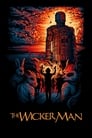
From the cosmic indifference of Kubrick's sun, we descend to the earthbound worship of Hardy's islanders, where the sun is a personal, demanding deity. The shift from the sublime to the ritualistic sets the stage for a more human relationship with the celestial.
A pagan island's May Day celebrations hide a darker purpose, with the sun as a god demanding sacrifice.
The Wicker Man → Eclipse
The Link
Where The Wicker Man treats the sun as a pagan god, Eclipse treats it as a scientific phenomenon, yet both reveal the human need to understand and revere it. The documentary grounds the myth in reality, preparing us for a more metaphorical use of the sun.
A documentary following eclipse chasers across the globe, capturing the obsessive pursuit of totality and the science behind the shadow.
Eclipse → A Little Princess
The Link
Where Eclipse captures the physical blocking of light as a detached, cosmic occurrence, Cuarón grounds that phenomenon in human emotion. Sara Crewe's descent into grief and poverty is a personal eclipse, but her memory of the golden Indian sun sustains her. The transition bridges the gap between studying the heavens and feeling their spiritual absence, framing the sun not merely as an astronomical body, but as an interior light that cannot be extinguished.
Cuarón, follows young Sara Crewe after she is sent from sun-drenched India to a stern London boarding school while her father fights in World War I. When her father is reported dead and her fortune vanishes, Sara is relegated to a cold attic as a servant. She uses storytelling, warmth, and imagination to survive her harsh environment.
A Little Princess → Sunshine
The Link
The hope of A Little Princess is inverted in Sunshine, where the sun is no longer a source of comfort but a destructive force that drives men mad. The chain completes its arc from reverence to terror, from life-giving to life-taking.
Boyle's sci-fi thriller about a crew sent to reignite a dying sun, only to find that the sun's power is more than they can handle.
Related Chains
Explore
Log in to leave a comment.
No comments yet.