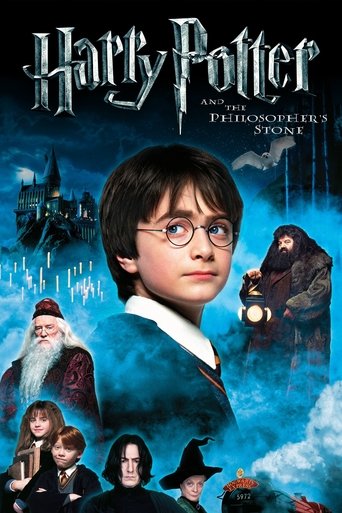
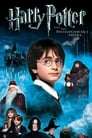
Twenty-five years ago this month, a boy under the stairs learned he was somebody. Chris Columbus's Harry Potter and the Philosopher's Stone arrived in cinemas in November 2001 with an unenviable task: to make J.K. Rowling's private enchantment visible without breaking it. What survives is the texture of discovery, the train on the viaduct, the ceiling of floating candles, Maggie Smith's pursed disapproval, and a hero whose specialness is inseparable from grief. The film understands that a destiny is a wound as much as a gift.
That tension runs through the chain assembled here. Each film gives us a young protagonist marked out before they can consent to it, a mentor who is neither wholly wise nor wholly safe, and a world whose rules must be learned on the hoof. The order matters. Starting with Potter establishes the grammar of the modern fantasy initiation story, then the sequence moves backwards and sideways to show where that grammar came from and what it costs when handled by filmmakers with less interest in comfort.
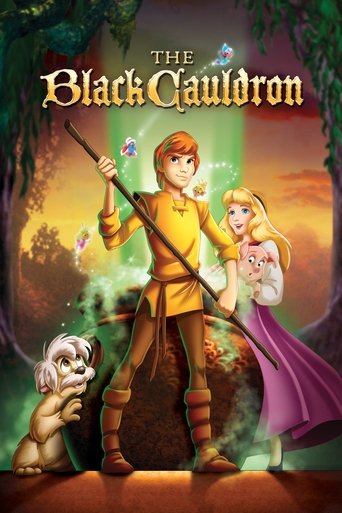
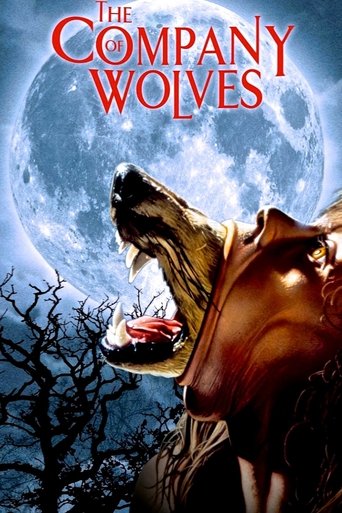
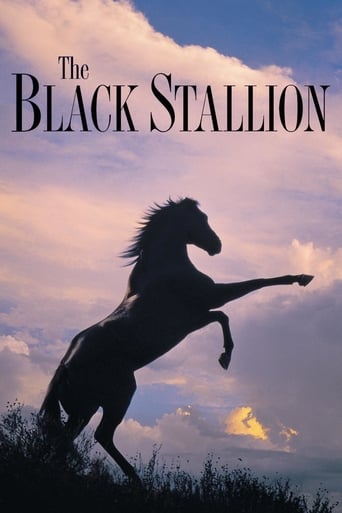
So we pass from Hogwarts to the misty animation of The Black Cauldron, a film Disney buried and which now looks like a strange, dark cousin to the Potter template. From there to the folk horror of The Company of Wolves, where the mentor is a grandmother with a warning and the wolf is a girl's own appetite. Later stops include Carroll Ballard's The Black Stallion, a film about a boy and an animal that trusts no dialogue to explain its magic, and Guillermo del Toro's Pan's Labyrinth, which takes the chosen-child story and refuses it any consoling ending. The chain closes with The NeverEnding Story, where the hero's task is not to defeat a villain but to name the empress and save the act of imagining itself.
What binds these films is not wands or prophecies but the seriousness with which they treat a child's moral education. Good triumphs, yes, but usually by inches, and often at a price the young hero only half understands. That is the through-line worth following, and it is why the Potter films still matter to the people who grew up inside them.