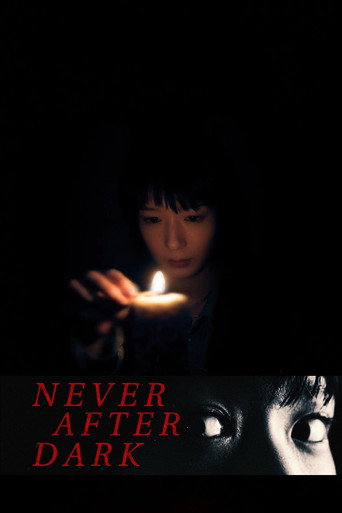
Never After Dark (2026) begins with a practical woman in an impractical place. A travelling psychic who guides lost souls across the threshold arrives at a remote house and finds something that does not want guiding. What makes the premise worth following is the word 'travelling': she is a worker with a route and a method, and the house is an interruption to both. The film's interest lies not in the entity's appearance but in the slow recalibration of a professional who realises her tools were built for gentler dead.
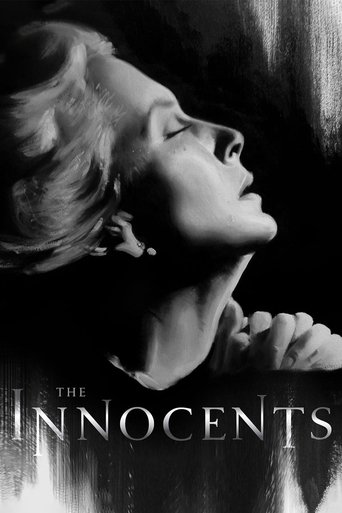
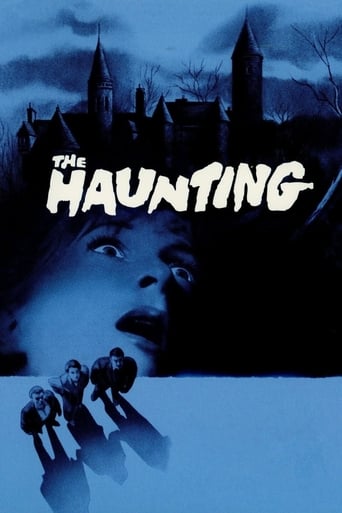
The films gathered here share that temperament. They are haunted-house and ghost stories in which the haunting is a form of unfinished business, and the camera's job is to hold ambiguity rather than resolve it. Jack Clayton's The Innocents (1961) is the anchor: Freddie Francis's deep-focus black-and-white photography and Truman Capote's dialogue turn a governess's certainty into a question the audience must answer for itself. From there the chain moves outward, through Kaneto Shindo's wind-blown grass and Masaki Kobayashi's painted skies, to Robert Wise's Hill House, where a house is filmed as a system of angles and the terror is architectural.
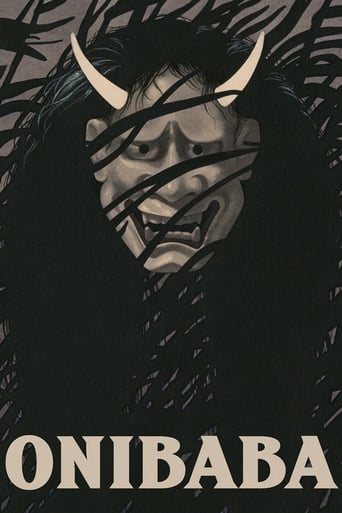
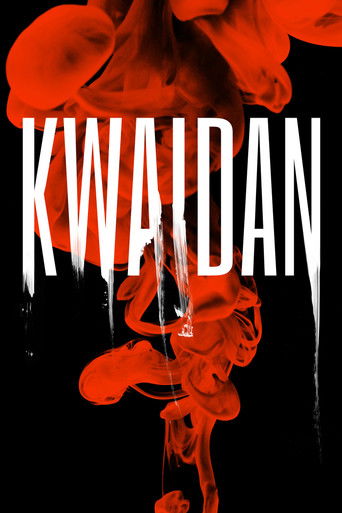
Two threads run through the sequence. The first is grief: Onibaba (1964) and Kwaidan (1964) both understand that a ghost is often a refusal to let go, and that the living can be the more frightening party. The second is craft. These are films of mist, candlelight, matte paintings and sound design, made by directors who trusted atmosphere over incident. A viewer who comes to Never After Dark expecting jump scares will find instead a lineage in which the supernatural is a way of talking about loss, guilt and the stories communities tell to survive them.
Watch them in this order and the through-line sharpens: a modern psychic's case file opens into a canon of houses that remember. The chain is a reminder that the haunted house is one of cinema's most elastic metaphors, and that the best of these films leave the door ajar.