Ginger Snaps
Two death-obsessed sisters in a Canadian suburb discover that Ginger's first period comes with a bite that will not heal. Katharine Isabelle and Emily Perkins make the bond between them the film's real horror and its real tenderness.
Chain
A Halloween journey through the werewolf film, from suburban Canadian adolescence to 18th-century France, tracking what the beast has always known about becoming a woman.
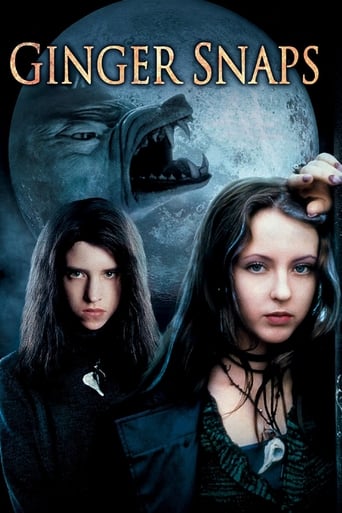
Ginger Snaps arrived in 2000 with a title that sounded like a joke and a bite that drew real blood. John Fawcett's film follows two death-obsessed sisters in the numbing suburb of Bailey Downs; on the night Ginger's first period arrives, something in the woods takes a piece of her, and the wound closes over into something hungrier. What makes it endure is the refusal to separate lycanthropy from puberty. Karen Walton's script treats the body's betrayal as both horror and fact, and Katharine Isabelle plays Ginger's slide from sullen to feral with a grin that is genuinely unnerving. The cult around it has grown for a quarter of a century because it understands something most monster films avoid: the beast is not an invader. It is what was already there, waiting for permission.
That idea gives this chain its spine. Every werewolf worth watching is really a story about transformation, and transformation is rarely a private affair. It happens in front of a town, a village, a family, a church. The films gathered here move from Canadian suburbia to the American small town, from the special-effects laboratory to the forests of the Auvergne and finally to a Brazilian apartment block, and each one asks who gets to be monstrous and who gets to decide. The monstrous feminine runs through them like a seam of silver.
Silver Bullet keeps the small-town mystery but shifts the gaze to a boy in a wheelchair and a sister who refuses to be disbelieved, while The Howling takes the same suspicion and turns it into a study of therapy, media and the body coming apart under Rob Bottin's camera. Brotherhood of the Wolf then stretches the myth across history, pitting Enlightenment reason against a beast that may be a conspiracy, and Good Manners carries the whole inheritance into a São Paulo tower where a nurse, a werewolf and a child negotiate what care even means. Watch them in this order and the werewolf stops being a monster to be shot and becomes a question to be lived with.
Halloween is the right season for it, but the pleasure here is not jump scares alone. It is the sight of a genre reinventing its own rules, film by film, and finding in the moonlit body a way to talk about adolescence, class, faith and desire. Start with the sisters. End somewhere you did not expect.
Two death-obsessed sisters in a Canadian suburb discover that Ginger's first period comes with a bite that will not heal. Katharine Isabelle and Emily Perkins make the bond between them the film's real horror and its real tenderness.
Ginger Snaps → Silver Bullet
The Link
Ginger Snaps keeps its beast hidden in the woods at the edge of a suburb; Silver Bullet moves the same suspicion into a town where everyone knows everyone and nobody wants to look. Both films make the family the only reliable witness.
A werewolf stalks a small Maine town and only a boy in a wheelchair and his sister seem willing to name it. Corey Haim and Gary Busey give the film a scrappy warmth that offsets the carnage.
Silver Bullet → The Howling
The Link
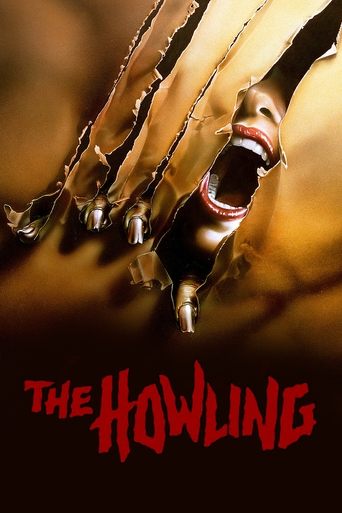
Where Silver Bullet keeps its monster at a distance, The Howling puts the camera right against the skin and shows the change happening. Joe Dante's film turns the small-town secret into a self-help colony, and the body horror becomes the point rather than the payoff.
A television reporter retreats to a coastal colony to recover from a trauma and finds the community rather more welcoming than is healthy. Rob Bottin's transformation sequence remains a benchmark of practical effects.
The Howling → Brotherhood of the Wolf
The Link
The Howling made transformation a spectacle of the flesh; Brotherhood of the Wolf makes it a matter of politics and faith, set in a France where reason is supposed to have banished such things. The beast becomes a rumour the powerful can use.
An 18th-century naturalist and his Iroquois companion are sent to the Auvergne to identify a beast slaughtering villagers. Christophe Gans fuses martial arts, conspiracy and gothic period detail into something unlike any other werewolf film.
Brotherhood of the Wolf → Good Manners
The Link
After the period spectacle of Brotherhood of the Wolf, Good Manners brings the werewolf home to a city apartment block and asks who does the caring when the transformation is someone else's. The monstrous feminine here is not a threat to be hunted but a child to be raised.
A lonely nurse takes a job caring for a wealthy pregnant woman in São Paulo and finds her employer's condition is stranger than any diagnosis. Marco Dutra and Juliana Rojas build a musical, tender and quietly devastating urban fable.
Good Manners → The Company of Wolves
The Link
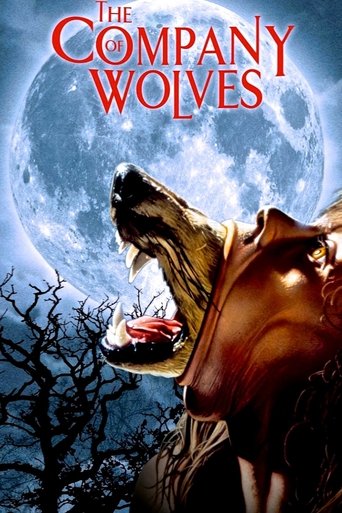
Good Manners treats the wolf-child with maternal tenderness; The Company of Wolves goes further back, into the fairy tale itself, and finds that the girl and the wolf have always been closer than the stories admit. Carter's screenplay makes the monstrous feminine the storyteller rather than the warning.
Neil Jordan and Angela Carter weave a dream of Red Riding Hood into a forest of stories about desire and danger. The practical transformations by Christopher Tucker are still startling, and the film's fairy-tale logic is entirely its own.
The Company of Wolves → Ginger Snaps Back: The Beginning
The Link
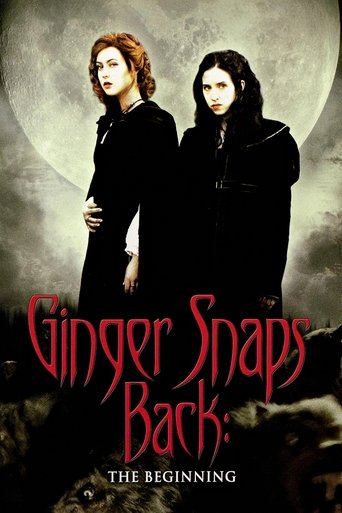
The Company of Wolves showed how folklore shapes the beast; this prequel takes the sisters out of Bailey Downs and drops them into the historical world where such tales were told. It closes the loop on Ginger and Brigitte by asking what their bond looks like without a shopping mall to rebel against.
The Fitzgerald sisters reappear in 19th-century Canada, stranded at a trading fort besieged by wolves. A stranger, moodier prequel that trades suburbia for snow, candlelight and a claustrophobic frontier community.
Ginger Snaps Back: The Beginning → Ginger Snaps 2: Unleashed
The Link
Having seen where the sisters came from, return to where they were going. Unleashed takes the transformation that began in the first film and follows it into withdrawal, hospitals and the state's desire to manage a body it cannot understand, ending the chain on the question Ginger Snaps always asked: who gets to decide what a monster is?
Brigitte, now infected, checks herself into a rehab clinic and finds the cure may be worse than the condition. Emily Perkins carries the film with a gaunt, watchful performance, and the werewolf myth becomes a study of addiction and institutional control.
Related Chains
Explore
Log in to leave a comment.
No comments yet.