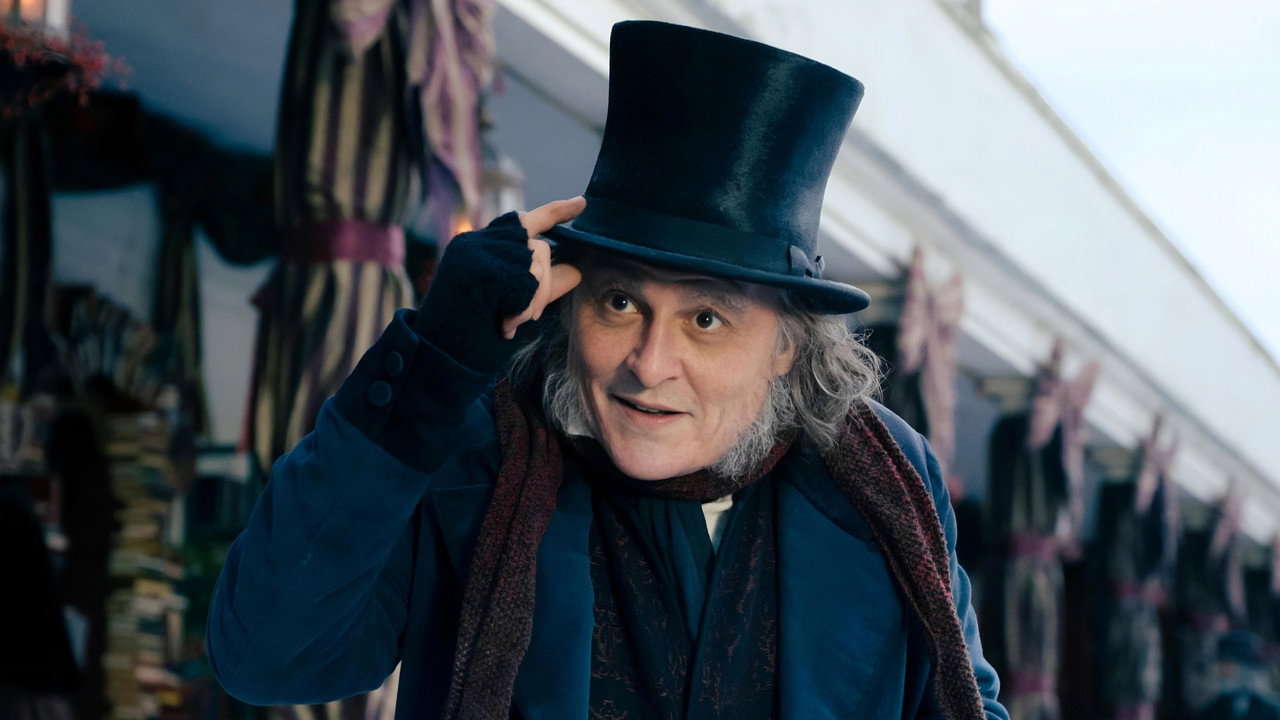
Every generation gets the Scrooge it deserves, and 2026 brings another: an elderly miser walked through his own history by a dead partner and three Spirits, forced to look at what he has done and what he has refused to feel. The story's engine is not really Christmas. It is the supernatural reckoning, the idea that the past can be summoned, staged and made visible until a hard heart cracks. Dickens understood that ghosts are the most efficient moral technology ever invented, and cinema, which can dissolve a wall and show you your younger self on the other side of it, was built for the job.
The films gathered here follow that idea from the Victorian parlour to the Japanese screen. Lean's Great Expectations turns memory into mist and shadow, Miss Havisham's stopped clocks a warning about what happens when the past is allowed to rule the present. Hurst's Scrooge gives the reckoning its warmest, most direct telling, while Ealing's Dead of Night shows what the same machinery looks like when nobody learns anything and the ghost simply waits. Powell and Pressburger's A Canterbury Tale is the quiet revelation of the chain: a wartime film in which the supernatural is not a threat but a form of historical conscience, the past reaching forward to remind the living what they owe it.
Kobayashi's Kwaidan closes the journey by taking the ghost story out of the drawing room and into pure image, its painted skies and sound-stage seas reminding us that these tales were always artificial, always designed, always a mirror held up rather than a window looked through. Seen in sequence, the films argue that the supernatural tale is less about fear than about accountability: the dead return because the living have not yet reckoned with them.
Start with the new Ebenezer and let it set the terms. What follows is not a survey of Dickens adaptations but a haunted corridor of them, British and Japanese, canonical and half-forgotten, each one asking the same question in a different accent: what do we owe the past, and what will it cost us to look at it?
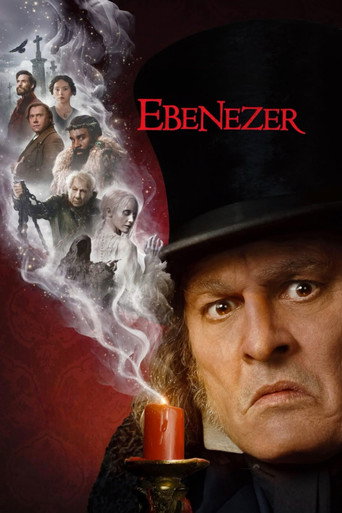
Ebenezer → Scrooge
The Link
The obvious ancestor of the new film, and still the definitive screen Scrooge. Watching Sim's face during the Christmas Past sequence shows how much of the reckoning is done without dialogue, a lesson the 2026 version inherits.

Scrooge
Brian Desmond Hurst's version, with Alastair Sim's Scrooge shifting from cold contempt to something close to terror as the ghosts unpick his history. The Cratchit scenes are played with unusual gravity for a British film of the period.
Scrooge → Great Expectations
The Link
Hurst's Scrooge is haunted by Spirits sent to teach him; Lean's Havisham is haunted by a past she has chosen to preserve. The two films together establish the chain's central opposition: memory as correction versus memory as prison.
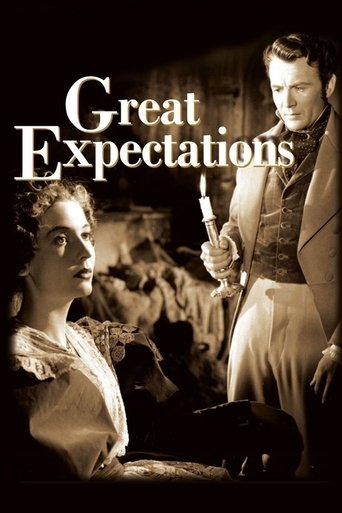
Great Expectations
David Lean's adaptation, in which Miss Havisham's rotting wedding chamber and the marshes at dusk become a visual grammar for memory that will not release its grip. John Mills's Pip is passive, but Martita Hunt's Havisham is a ghost who has forgotten she is dead.
Great Expectations → Oliver Twist
The Link
Lean's second Dickens moves the haunting from the individual conscience to the social body. After the private ghosts of Scrooge and Havisham, this is the reckoning turned outward: the past that returns here is the city's neglect of its children.

Oliver Twist
Lean again, this time in the London underworld, with Alec Guinness's Fagin a figure of unsettling ambiguity and the city itself a labyrinth of shadow and threat. The film's moral reckoning is social rather than supernatural, but the ghosts of poverty and crime are present in every frame.
Oliver Twist → Dead of Night
The Link
Where Dickens's ghosts arrive to teach a lesson, Ealing's arrive to prove that the past cannot be escaped, only repeated. The film's circular structure, ending where it began, is the dark twin of Scrooge's morning-after redemption.
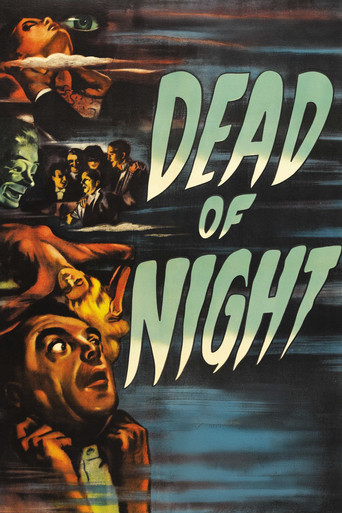
Dead of Night
Ealing's portmanteau horror, in which a group of strangers in a country house trade ghost stories that grow increasingly unnerving. The ventriloquist segment, with Michael Redgrave's dummies taking on a life of their own, remains the most disturbing thing the studio ever produced.
Dead of Night → A Canterbury Tale
The Link
Dead of Night uses the ghost story to unsettle; Powell and Pressburger use it to console and to bind a wartime audience to a long English past. The Canterbury pilgrims are ghosts in the most generous sense, and the film shows how memory can be a form of defence rather than a threat.

A Canterbury Tale
Powell and Pressburger's wartime pilgrimage, in which a modern Kentish village echoes Chaucer's travellers and a mysterious figure known as the Glue Man stalks the lanes. The film's supernatural element is never confirmed, but the sense of history pressing on the present is overwhelming.
A Canterbury Tale → Kwaidan
The Link
After the English ghost story's moral accounting, Kobayashi offers the same reckoning in a different key: the dead return not to correct the living but to reveal what the living have refused to see. The film's artificiality, its painted skies and studio seas, makes the ghost story's constructed nature explicit, which is the chain's final point.
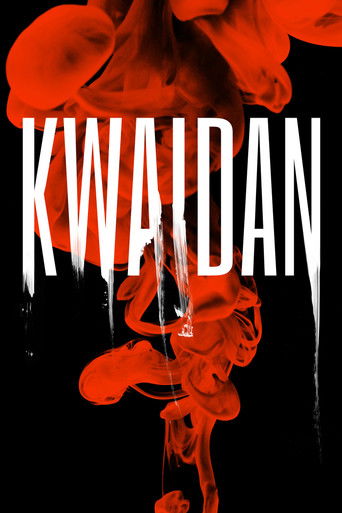
Kwaidan
Masaki Kobayashi's four-part adaptation of Lafcadio Hearn's Japanese ghost stories, staged on hand-painted sets with a colour palette that seems to glow from within. The segment of the samurai who returns to a wife who may not be alive is one of cinema's great haunted sequences.
Kwaidan → The Innocents
The Link
Kwaidan's ghosts are unmistakably real within their painted world; Clayton's are not, and that ambiguity is the chain's last turn of the screw. After Scrooge's redemption and Havisham's ruin, The Innocents asks whether the reckoning is happening to the living at all, or only inside them.
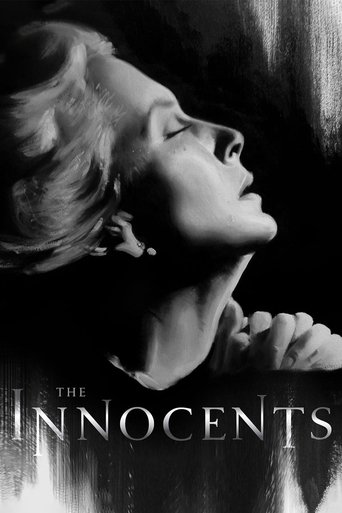
The Innocents
Jack Clayton's adaptation of Henry James's The Turn of the Screw, with Deborah Kerr as a governess whose certainty about the ghosts in her charge may be the most dangerous thing in the house. Freddie Francis's deep-focus cinematography makes the daylight itself feel complicit.
Related Chains
Continue exploring

Explore
Where this chain leads
People
Genres
- Comedy
- Fantasy
- Drama
- Romance
- Thriller
- Horror
- Mystery
- War
Comments
Log in to leave a comment.
No comments yet.