All That She Wants
Annie Murphy plays Emma, a woman who wants a baby and cannot admit she wants the man who used to be the four-year-old she babysat. The comedy is in her timing, her evasions, and the way she keeps almost saying the true thing.
Chain
A chain about romantic comedy as a precision instrument, where the timing is in the pause and the laugh is in the fumbled hand.
All That She Wants arrives with a premise that sounds like a joke and plays like a confession. Emma wants a baby, and the man she cannot quite allow herself to love is a recent college graduate ten years her junior, whom she used to babysit when he was four. Annie Murphy has spent her career proving that a character player can carry a romantic lead without sanding off the awkward edges, and here the comedy lives in the gap between what Emma says and what her body is doing while she says it. The film understands that romantic comedy is not a genre of grand gestures but of timing, hesitation, and the small physical comedy of falling in love before you have agreed to it.
That is the through-line of this chain. Bill Forsyth's Gregory's Girl and Local Hero are not conventionally romantic comedies at all, yet no one in British cinema has filmed the shy choreography of wanting someone quite so precisely. Gregory tripping over his own feet on a concrete football pitch, or the way Forsyth lets a whole village pause around a phone box, is the same craft Murphy is practising: the scene is funny because the behaviour is true. Mike Newell's Four Weddings and a Funeral takes that British embarrassment and gives it a stopwatch, building a decade of near-misses out of Charles's inability to say the right thing at the right moment.
From there the chain crosses the Atlantic and tightens. Nicole Holofcener's Enough Said strips the genre of its meet-cute machinery and finds the romance in two people negotiating the ordinary disappointments of middle age, with James Gandolfini's gentleness doing the work that a grand speech would ruin. Nora Ephron's When Harry Met Sally is the obvious landmark, but it earns its place here because its famous set pieces are all about timing: the deli scene is a masterclass in the rhythm of interruption, and the final declaration works because we have watched twelve years of hesitation first. Around these sit the character players who make the whole tradition possible, the ones who understand that a romantic comedy is only as good as its supporting cast's reaction shots.
Watch the chain in order and a thesis emerges. The best romantic comedies are not about love at all, or not only. They are about the moment before love, stretched out, examined, and made funny by actors who know exactly when to hold still. All That She Wants is the newest link, but it is standing on a long, quietly exacting tradition.
Annie Murphy plays Emma, a woman who wants a baby and cannot admit she wants the man who used to be the four-year-old she babysat. The comedy is in her timing, her evasions, and the way she keeps almost saying the true thing.
All That She Wants → Gregory's Girl
The Link
Murphy's Emma is a grown woman, but her comedy of self-interruption has a direct ancestor in Forsyth's teenagers, who cannot say what they mean and make us laugh by trying anyway. Gregory's Girl sets the template: the rom-com as a study in physical hesitation.
Bill Forsyth's debut feature follows a gangly teenager in love with a girl who is better at football than he is. The film's genius is its deadpan observation of adolescent awkwardness, with every pause and misstep played for truth rather than punchline.
Gregory's Girl → Local Hero
The Link
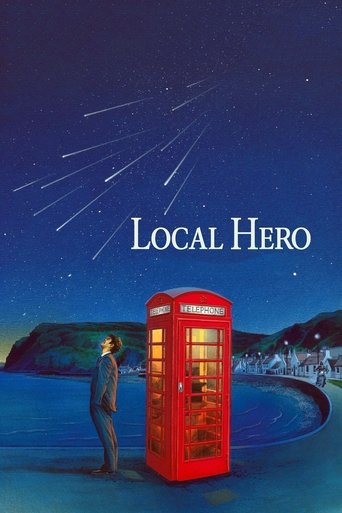
Forsyth again, but the romance here is with a whole community rather than a person, and the hesitation is Riegert's MacIntyre learning to want something he did not plan for. It widens the chain's sense of what a romantic comedy can be about.
An American oil executive is sent to a Scottish coastal village to buy it up and finds himself seduced by the place instead. Forsyth's warmest film, with Peter Riegert's quiet bewilderment and a score by Mark Knopfler that does half the emotional work.
Local Hero → Four Weddings and a Funeral
The Link
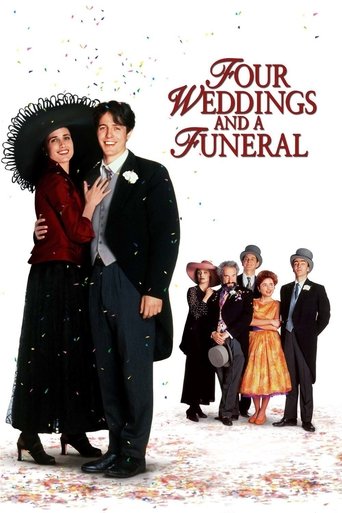
Newell takes the Forsythian embarrassment and gives it a stopwatch, building a whole film out of Charles's inability to say the right thing at the right moment. The chain now has its first proper romantic comedy, and its timing is everything.
Mike Newell's comedy follows Charles and Carrie through a decade of weddings and one funeral, with Hugh Grant's stammering charm and Kristin Scott Thomas's unrequited ache. The script by Richard Curtis is a machine for generating near-misses.
Four Weddings and a Funeral → When Harry Met Sally...
The Link
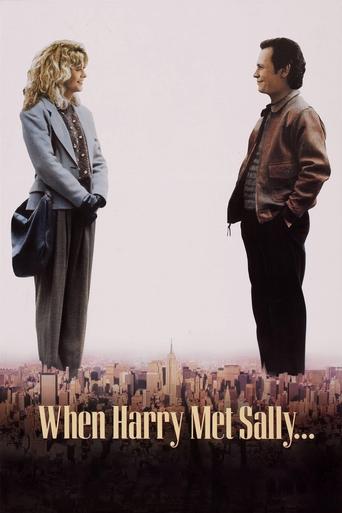
Ephron's film is the American answer to Curtis's British near-misses, and it is even more precise about the long game: the whole movie is a delay before the declaration. It also gives the chain its clearest example of a character player's timing, in every reaction shot Ryan and Crystal throw each other.
Nora Ephron and Rob Reiner's twelve-year conversation about whether men and women can be friends, with Billy Crystal and Meg Ryan trading barbs and glances. The deli scene and the final New Year's Eve speech are both studies in rhythm.
When Harry Met Sally... → Enough Said
The Link
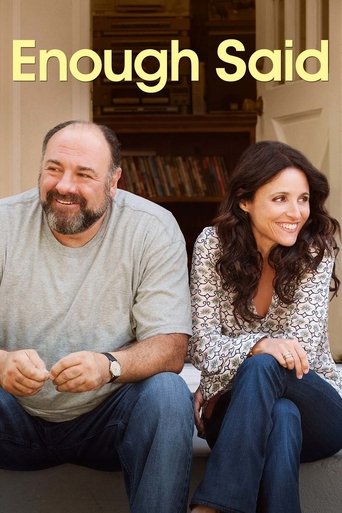
After Ephron's landmark, Holofcener strips the genre of its meet-cute machinery and finds the romance in two people negotiating disappointment. Gandolfini's gentleness is the opposite of a grand gesture, and the film proves the chain's thesis: the hesitation is the love story.
Nicole Holofcener's middle-aged romance pairs Julia Louis-Dreyfus with James Gandolfini, both divorced, both wary, both quietly funny. The film finds its laughs in the small betrayals and kindnesses of ordinary conversation.
Enough Said → Brief Encounter
The Link
Holofcener's modern adults would recognise these two, and Lean's film is the chain's darkest note: the hesitation is not comic here, but it is the same craft. It shows what happens when the timing never arrives.
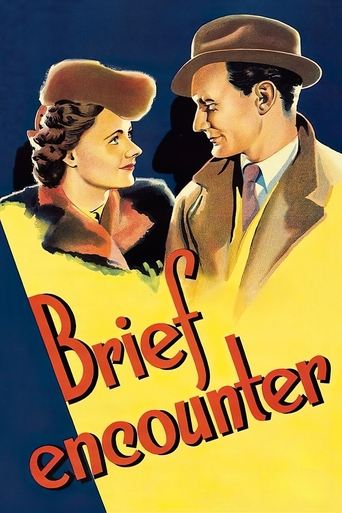
David Lean's adaptation of Noël Coward's Still Life follows two married strangers who meet in a railway station tearoom and fall into a love they cannot act on. Celia Johnson's voiceover and Trevor Howard's restraint make it one of the most painful and precise romances ever filmed.
Brief Encounter → The Apartment
The Link
Wilder closes the chain by showing that the romantic comedy can carry real damage and still end on a joke. Lemmon's timing is the character player's art at its most complete, and the last exchange between him and MacLaine is the perfect final beat for a journey built on hesitation.
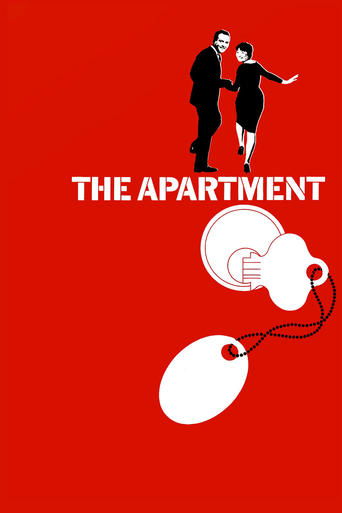
Billy Wilder's comedy about an office worker who lends his flat to his superiors and falls for the elevator operator they all treat badly. Jack Lemmon and Shirley MacLaine turn humiliation into romance, with a final line that lands like a punchline and a vow at once.
Related Chains
Explore
Log in to leave a comment.
No comments yet.