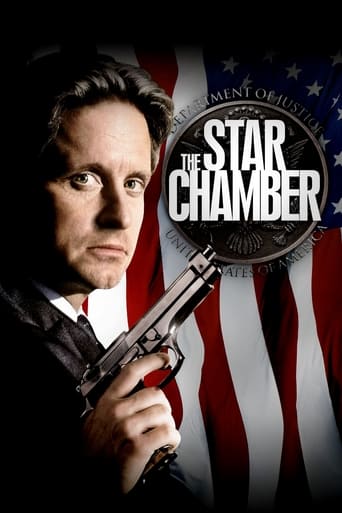
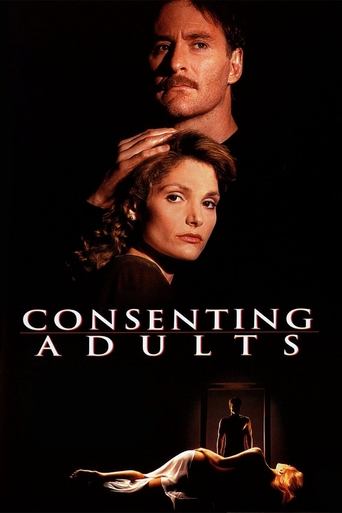
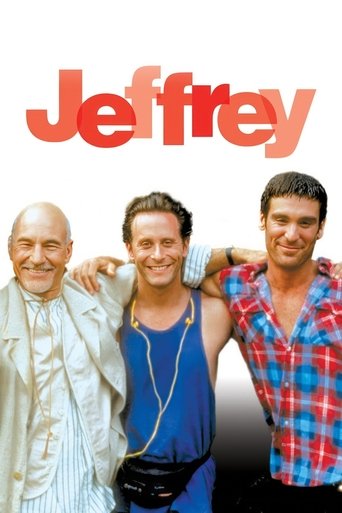
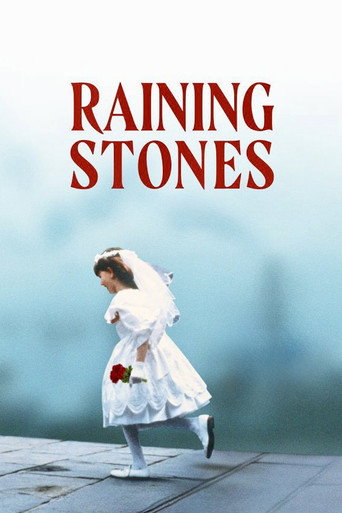
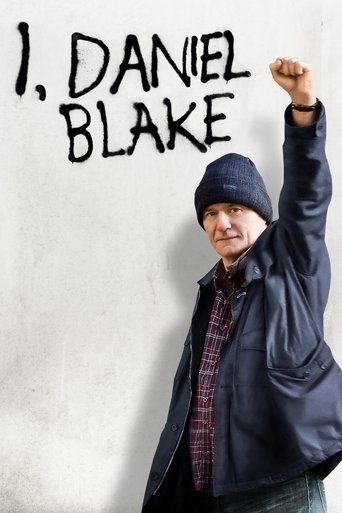
Peter Hyams's The Star Chamber (1983) opens with a premise that still stings: a young Los Angeles judge, Steven Hardin, watches violent men walk free on technicalities, and a senior colleague offers him a seat on a secret tribunal that disposes of the untouchable. Michael Douglas plays Hardin as a man who argues himself into complicity with impressive calm, and the film's real subject is not vigilantism but the grammar of rationalisation. What makes it land is the company Hardin keeps. Patrick Stewart, as the smooth defence lawyer who exploits every loophole, is the first hint that the film's villains are not monsters but professionals doing their jobs beautifully.
That is the thread this chain pulls. Stewart has spent a career playing lawyers, doctors, officers and officials whose decency is real but conditional, and whose restraint makes the moment of collapse far more frightening than any shout. He is never better than when he is being reasonable. The programme moves from Hyams's courtroom thriller through British television and stage-derived films where institutions quietly eat their servants, and ends with Ken Loach's working people confronting the same authorities from below. Seen in sequence, the chain argues that the liberal professional is not the opposite of the corrupt system but its most sophisticated component.
The middle of the chain is where Stewart's range does its quiet damage: a television drama about medical responsibility, a stage adaptation in which a barrister's principles are tested by the machinery around him, and a film about a functionary whose loyalty to procedure becomes a kind of moral anaesthetic. Each one strips away the alibi of expertise. By the time Loach arrives, the question has flipped: what does authority look like to the people on the receiving end of it? The answer is not a rant but a shrug, a form, a closed door.
Watch these in order and the through-line sharpens. Stewart's stillness becomes a diagnostic tool, and Loach's documentaries of the dispossessed become the verdict. The chain is not about villains. It is about the small, civil, well-argued steps by which good people agree to do harm.