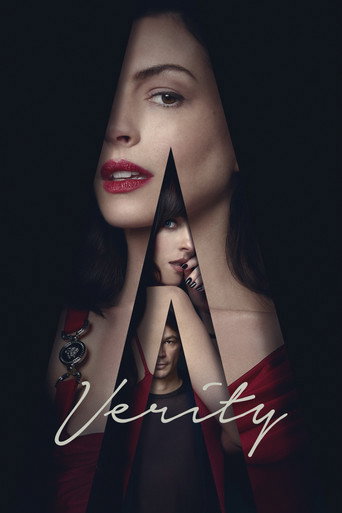
Verity (2026) arrives with a premise that has powered thrillers since the gothic novel: a writer is hired to finish someone else's book and finds the source material more incriminating than any fiction. Lowen Ashleigh, ghosting for the incapacitated bestseller Verity Crawford, reads autobiographical notes she was never meant to see and becomes entangled in a household whose grief may be a cover story. The appeal is not the twist but the trespass: the moment research turns into surveillance, and the observer discovers she is already a character in someone else's account.
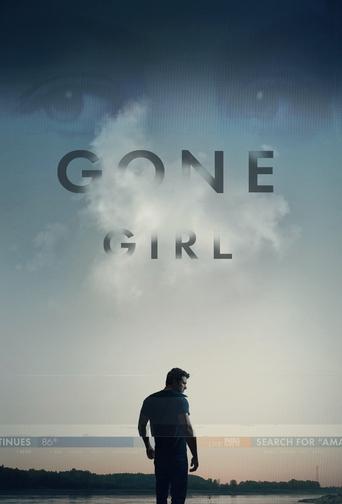
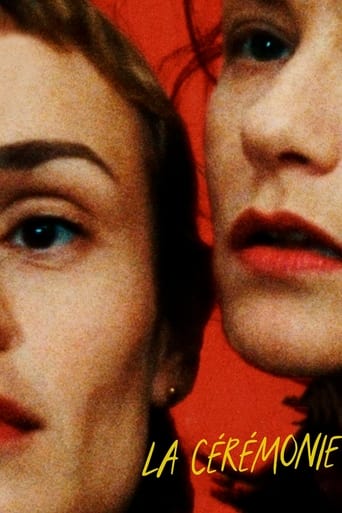
That trespass is the spine of this chain. Roman Polanski's The Ghost Writer (2010) turns the hired pen into a detective on an island where every draft conceals a political crime; David Fincher's Gone Girl (2014) makes the diary itself the weapon, a text written to be misread. Claude Chabrol's La Ceremonie (1995) pushes the intruder further down the class ladder, where literacy and resentment become indistinguishable. Each film asks what happens when the person taking notes stops being a witness.
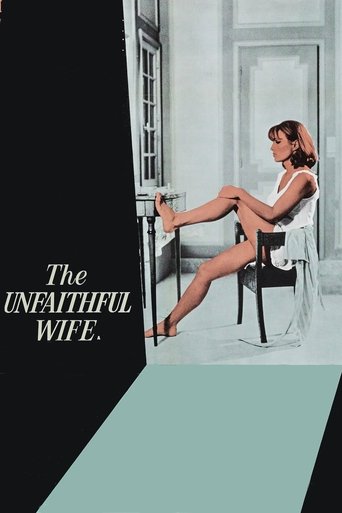
The sequence moves from the professional ghost to the amateur reader to the servant who has been reading all along. I have placed lesser-known titles alongside the landmarks because the theme rewards them: the television editor in Michael Powell's Peeping Tom (1960) and the novelist-turned-suspect in Chabrol's earlier La Femme infidele (1969) both show how the act of looking becomes a confession. Watch them in order and the thriller machinery starts to feel like a study of authorship itself, with the writer always one page away from becoming the accused.