When the Sacred Screen Cracks

Eight films that treat blasphemy not as shock tactic but as visual grammar, from Ken Russell's Loudun to Dreyer's burning stake.

· ·

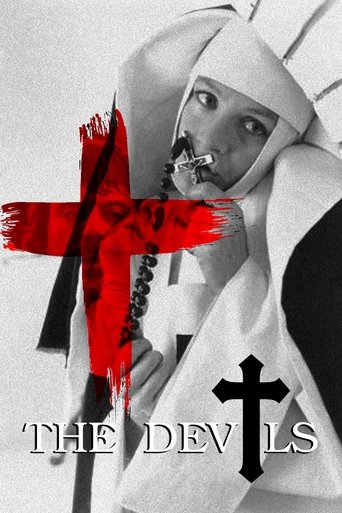
Ken Russell's The Devils (1971) remains the great unhinged monument of British cinema's flirtation with the sacred-profane. Derek Jarman's white-tiled Loudun sets, Shirley Russell's costumes, and Oliver Reed's Father Grandier, a man of appetite destroyed by a hunchbacked nun's erotic fixation and a cardinal's political convenience, make the film a study in how institutions manufacture heresy to serve power. Warner Bros. buried it for decades; the uncut print still feels like contraband. Watching it now, the blasphemy is not the orgy of the possessed but the cold machinery of church and state arranging a burning.

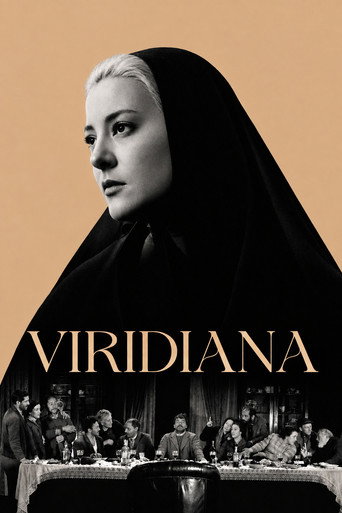
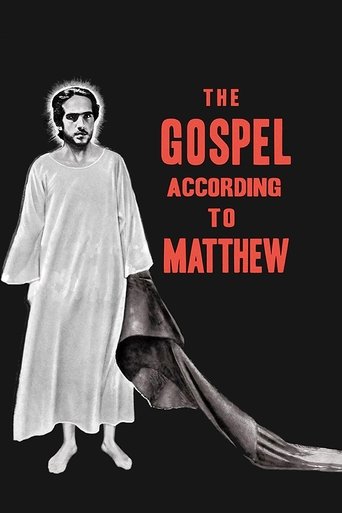
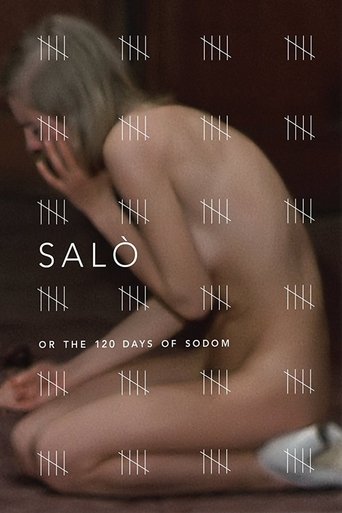
The chain that follows traces that machinery across a century of cinema. Carl Theodor Dreyer's Day of Wrath shows the same witch-hunt logic in 17th-century Denmark, but with a Calvinist austerity that makes the violence feel like weather. Luis Buñuel, in Nazarín and Viridiana, turns Christian charity into a trap: the holy fool is humiliated, the beggars desecrate the feast, and Buñuel's camera never blinks. Pier Paolo Pasolini's The Gospel According to St. Matthew and Salò sit at opposite poles of his career, yet both stage the body as a site where the sacred and the sadistic collide. Add Ingmar Bergman's Winter Light, where God's silence is the blasphemy, and Robert Bresson's Au Hasard Balthazar, where a donkey's suffering becomes a kind of grace, and the sequence starts to argue that the most transgressive gesture is not the desecration of the host but the refusal to look away from suffering.

What binds these films is a shared conviction that transcendence and obscenity are not opposites. Russell's nuns writhe in a theatre of ecstasy that is also a political show trial; Dreyer's Anne burns for a desire the church cannot name; Buñuel's Viridiana is destroyed by the very charity she embodies. Each director uses the tools of cinema, the close-up, the cut, the sustained take, to make the viewer complicit in the violation. The chain is not a history of shock; it is a history of form pressed into the service of doubt.

Watch them in this order and a pattern emerges: the heretic is always a woman, a fool, or a body that refuses to behave. The institution responds with fire, silence, or a camera that lingers too long. Russell's film is the loudest, but Dreyer's is the cruelest, and Pasolini's Salò is the most unbearable because it strips away the consolation of martyrdom. By the end, blasphemy looks less like an attack on faith than a demand that faith account for the suffering it has authorised.

The Devils
1

The Devils

1971 · dir. Ken Russell · 112 min · TMDB 7.5

Ken Russell's fever-dream of Loudun, with Oliver Reed's Grandier and Vanessa Redgrave's Sister Jeanne caught in a political witch-hunt staged as grand opera. Derek Jarman's white-tile sets make the convent look like an asylum.

The Devils → Day of Wrath

The Link

Dreyer strips Russell's baroque excess down to Calvinist bone: the same witch-hunt logic, but staged in silence and shadow, where a single glance carries the weight of a confession.

Day of Wrath
2

Day of Wrath

1943 · dir. Carl Theodor Dreyer · 97 min · TMDB 8.0

Carl Theodor Dreyer's austere study of a young wife accused of witchcraft in 17th-century Denmark, where the real crime is desire. The slow, grey light and long takes make the accusation feel inevitable.

Day of Wrath → Nazarín

The Link

Where Dreyer's church burns the heretic, Buñuel's church simply lets the saint be humiliated; the shift from tragedy to irony opens the chain's political dimension.

Nazarín
3

Nazarín

1959 · dir. Luis Buñuel · 95 min · TMDB 7.6

Luis Buñuel's portrait of a priest who tries to live like Christ and is destroyed by the world for it. The final kiss of charity is one of cinema's great blasphemies.

Nazarín → Viridiana

The Link

Buñuel returns to the holy fool, but this time the blasphemy is a feast: the Last Supper re-staged as a drunken tableau, pushing Nazarín's irony into open desecration.

Viridiana
4

Viridiana

1961 · dir. Luis Buñuel · 90 min · TMDB 7.7

Buñuel's Palme d'Or winner, banned in Spain, in which a novice's charity turns into a beggars' orgy at the dinner table. Silvia Pinal's Viridiana is a study in pious self-destruction.

Viridiana → The Gospel According to St. Matthew

The Link

From Buñuel's mockery to Pasolini's fervour: the same sacred text, but filmed as if faith were still possible, which makes the later Pasolini's despair all the more devastating.

The Gospel According to St. Matthew → Salò, or the 120 Days of Sodom

The Link

Pasolini's Gospel and Salò are two halves of one argument: the body that can be adored is the same body that can be destroyed, and the institution always chooses the latter.

Salò, or the 120 Days of Sodom → Winter Light

The Link

After Pasolini's spectacle of cruelty, Bergman offers the opposite blasphemy: silence. God's absence is staged as a cold, empty church, and the pastor's doubt becomes the only honest prayer.

Winter Light
7

Winter Light

1963 · dir. Ingmar Bergman · 80 min · TMDB 7.9

Ingmar Bergman's pastor in a small Swedish town loses his faith while a schoolteacher offers a love he cannot accept. The film is a masterclass in spiritual frost.

Winter Light → Au Hasard Balthazar

The Link

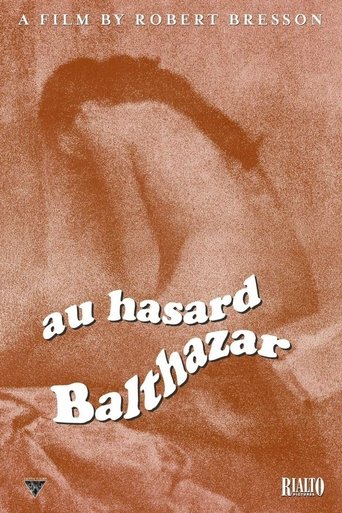
Bresson closes the chain by making the sufferer an animal: no theology, no blasphemy, just a body passed from hand to hand, and the sacred emerges anyway, in the refusal to sentimentalise.

Au Hasard Balthazar
8

Au Hasard Balthazar

1966 · dir. Robert Bresson · 96 min · TMDB 7.6

Robert Bresson follows a donkey through a series of owners, each of whom imposes a different suffering on him. The film's final shot is one of the most quietly devastating in cinema.

Where this chain leads

Log in to leave a comment.

No comments yet.