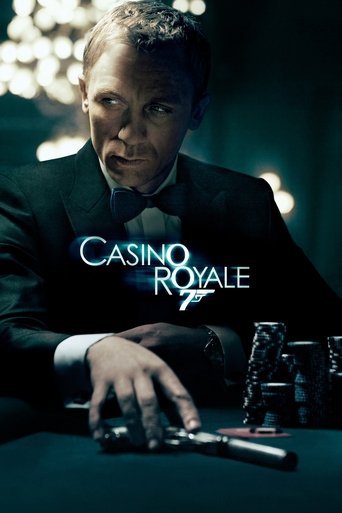
Twenty years ago this month, Casino Royale reset a franchise by stripping its hero back to a nervous beginner. Martin Campbell's film is often praised for the parkour and the Vesper romance, but its real engine is a poker table in Montenegro, where a man with a scarred eye and a man with a licence to kill sit pretending their cards are the only thing at stake. Daniel Craig's Bond bleeds, miscalculates and nearly dies of pride; Mads Mikkelsen's Le Chiffre weeps real tears over a bad beat. The game is a pretext. What the film actually dramatises is the moment a person's face stops being a defence.
That is the thread running through this programme. From pool halls to baccarat rooms to the back of a London casino, these films treat the table as a laboratory for character: a place where money stands in for feeling, where a bet is a confession dressed as arithmetic, and where the house always knows more than the player admits. British, French and Hong Kong filmmakers have been especially alive to this, because each tradition brings its own attitude to restraint. The British table is a class system with chips. The French table is a philosophical wager. The Hong Kong table, when it appears at all, is a corridor for longing.
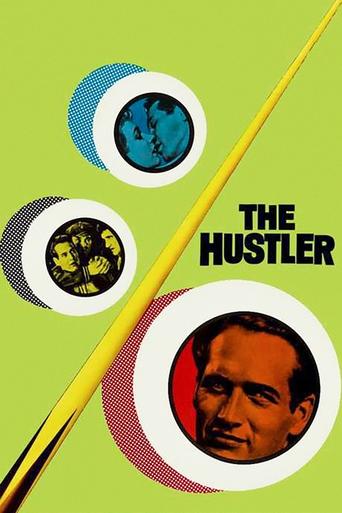
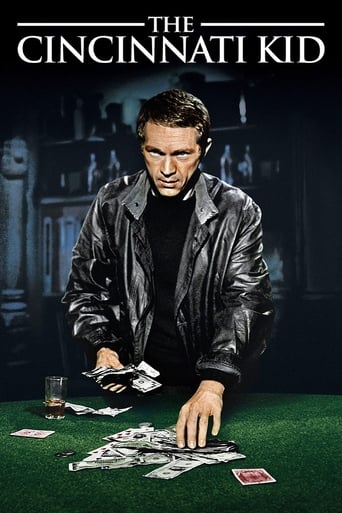
Robert Rossen's The Hustler and Norman Jewison's The Cincinnati Kid bookend the American side of the argument: Paul Newman's pool shark and Steve McQueen's card sharp are both studies in young men who mistake technique for self-knowledge. Jacques Demy's Bay of Angels, with Jeanne Moreau as a gambler who has made a religion of the roulette wheel, pushes the same idea into something stranger and more romantic. Wong Kar-wai's In the Mood for Love barely shows a game at all, yet its entire courtship is played out in rehearsed conversations and withheld moves, which is the purest version of the theme on this list. Mike Hodges's Croupier, meanwhile, gives us the dealer's-eye view, and a useful warning: the man who watches everyone else's tells is usually the one telling the biggest lie.
Watch them in this order and a pattern emerges. Each film tightens the gap between what a character says and what they mean, until the final hand is less a contest than a diagnosis. The pleasure is not in who wins. It is in the half-second before the bet, when the face does something the mouth has not authorised.