Who Owns the Story? Fleet Street on Trial

Danny Boyle's Ink opens a chain that treats the press as a crime scene, a hallucination and a moral trap, from tabloid hacks to the photographers who sell the truth by the frame.

· ·

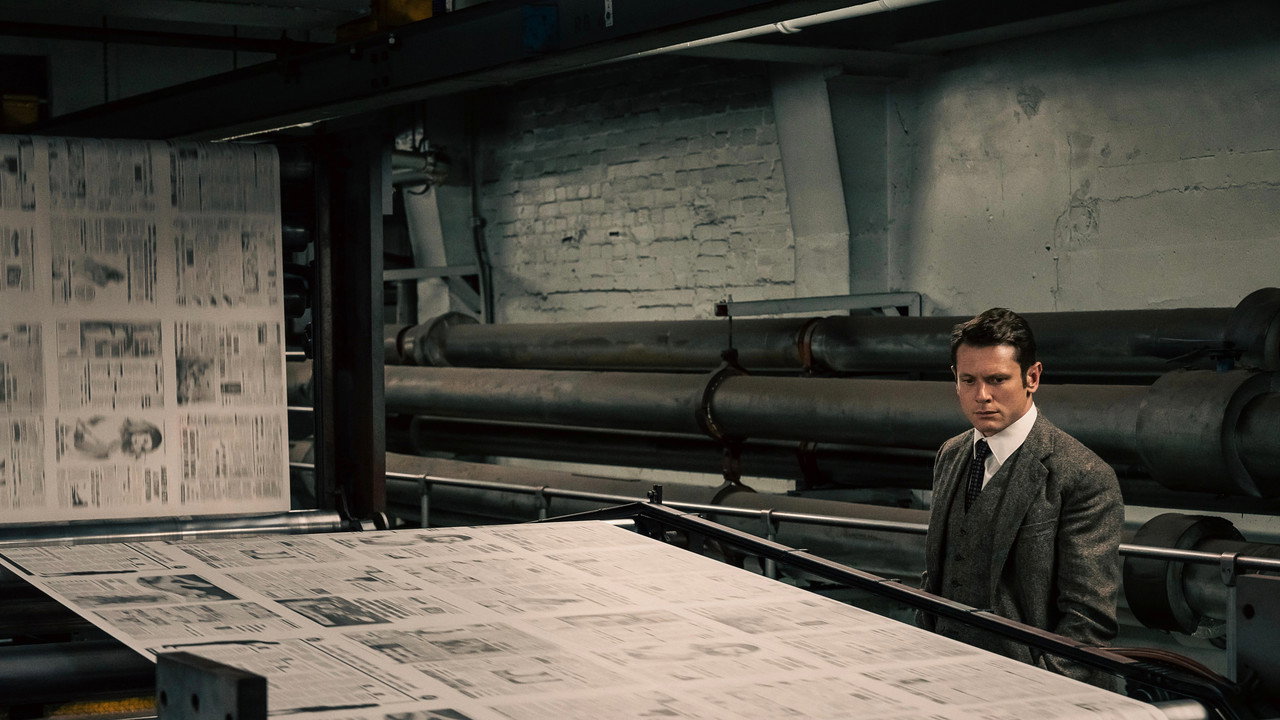
Danny Boyle's Ink arrives with the smell of fresh print and bad faith. The film follows a band of misfits and visionaries who decide that news should give the public what it wants, and in doing so invent a new kind of paper, one that will reshape how the world reads itself. Boyle has always been a director of velocity and appetite, and here the appetite is for scandal, circulation and the intoxicating power of deciding what counts as true. What makes the film more than a romp is its suspicion that the people who build a popular press are never entirely sure whether they are liberators or vandals.

That ambivalence is the thread running through this chain. British cinema has returned to Fleet Street again and again, not out of nostalgia but because the newspaper office is a perfect pressure cooker: ambition, class, alcohol and a deadline. Michael Winterbottom's The Claim transplants that world to a snowbound frontier town, where a man's past is a commodity he can no longer control, and the film's widescreen loneliness makes the trade in information feel like a form of weather. Lindsay Anderson's Britannia Hospital takes the same national institutions the tabloids loved to mock and turns the satire back on the satirists, a queasy, furious comedy about a country managed by public relations.

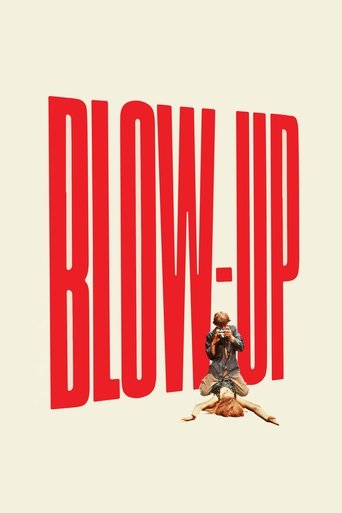
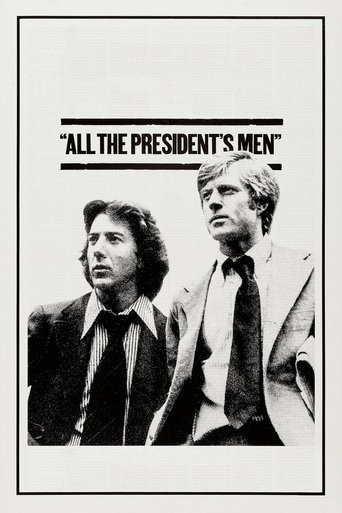
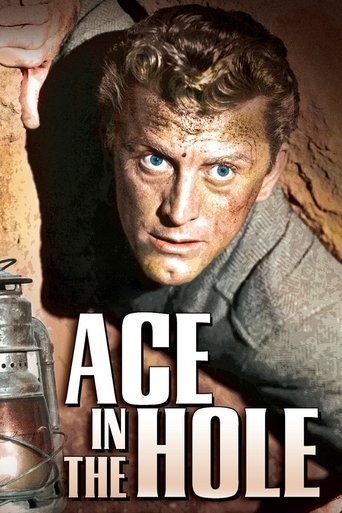
Antonioni's Blow-Up sits at the centre of the chain because it understands something the newspaper films only imply: the image is never innocent. A photographer thinks he has captured a murder, then discovers that enlarging the evidence only multiplies doubt. The film's famous silent tennis match, with its imaginary ball, is the perfect metaphor for a press that invents the game as it reports it. From there the chain moves through the darker corners of the tradition: the paranoid journalism of Alan J. Pakula's All the President's Men, where the newsroom is a machine of patient verification, and the corrosive tabloid ethics of Ace in the Hole, Billy Wilder's ferocious early warning about a reporter who turns a man trapped in a cave into a national spectacle.

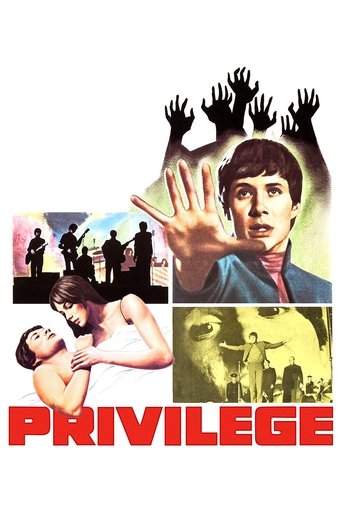
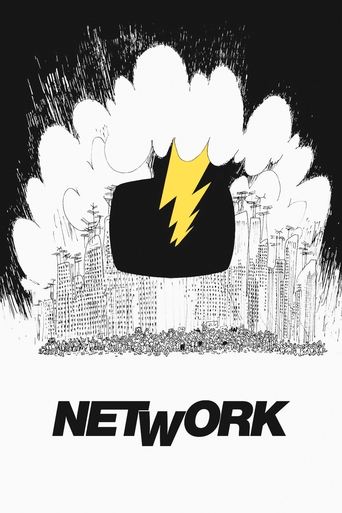
Two less-travelled titles sharpen the argument. Peter Watkins's Privilege imagines a pop singer engineered by the state into a mass-media messiah, a satire of manipulation that feels eerily prescient. And Sidney Lumet's Network remains the loudest scream in the room, a film that predicted the collapse of news into entertainment with such accuracy that it now plays like documentary. Watched in sequence, these films form a lineage of suspicion: the press as a public service, then as a business, then as a hallucination. Ink belongs at the head of that line, not because it repeats the warnings but because it asks the question the others keep circling. If the people get the news they want, who is responsible for what they believe?
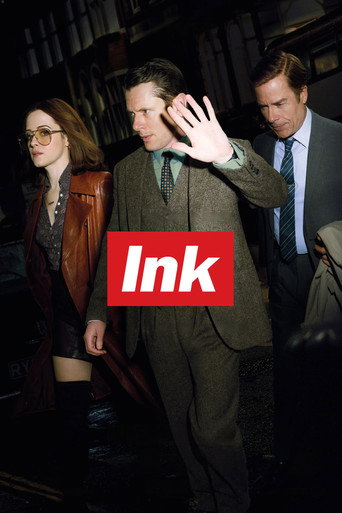
Ink
1

Ink

2026 · dir. Danny Boyle · 116 min

Danny Boyle's propulsive drama follows a group of outsiders and dreamers who reinvent the newspaper for a public hungry for sensation, and discover that giving people what they want has a price.

Ink → The Claim

The Link

Boyle's newsroom energy meets its cold mirror here: Winterbottom strips the press drama of headlines and telephones, leaving only the raw transaction of a man selling a version of events. The shift from urban clamour to frozen silence makes the same point about ownership of the truth.

The Claim
2

The Claim

2000 · dir. Michael Winterbottom · 120 min · TMDB 6.0

Michael Winterbottom's widescreen western relocates the moral rot of a boom town to the snow, where a man's buried past becomes the most valuable story in circulation.

The Claim → Britannia Hospital

The Link

Where The Claim keeps its corruption buried, Anderson drags it into the corridor and lets it shout. The film's contempt for institutional PR and media spectacle picks up the thread of manipulated narrative and pushes it into open satire.

Britannia Hospital
3

Britannia Hospital

1982 · dir. Lindsay Anderson · 116 min · TMDB 6.2

Lindsay Anderson's final Mick Travis film turns a hospital into a grotesque model of the nation, with a royal visit, a strike and a mad scientist colliding under the glare of television cameras.

Britannia Hospital → Blow-Up

The Link

Anderson's satire attacks institutions; Antonioni goes after the image itself. After the shouting of Britannia Hospital, the silence of Blow-Up is bracing, and its lesson, that evidence can be manufactured by the act of looking, is the philosophical core of every press scandal in this chain.

Blow-Up
4

Blow-Up

1966 · dir. Michelangelo Antonioni · 111 min · TMDB 7.3

Antonioni's London-set mystery follows a fashion photographer who believes he has caught a murder on film, only to find that each enlargement deepens his uncertainty.

Blow-Up → All the President's Men

The Link

If Blow-Up shows the image betraying the truth, Pakula shows the opposite discipline: the slow, unglamorous work of confirming it. The contrast is the chain's hinge, moving from suspicion of the camera to faith in the typewriter.

All the President's Men
5

All the President's Men

1976 · dir. Alan J. Pakula · 138 min · TMDB 7.7

Pakula's procedural thriller turns the Washington Post newsroom into a cathedral of verification, with Redford and Hoffman as the reporters who refuse to let a story die.

All the President's Men → Ace in the Hole

The Link

Pakula's reporters serve the story; Wilder's reporter feeds on it. Placed after All the President's Men, this is the shadow side of the same profession, and the film's carnival atmosphere anticipates the tabloid appetite that Ink sets out to harness.

Ace in the Hole
6

Ace in the Hole

1951 · dir. Billy Wilder · 112 min · TMDB 7.8

Billy Wilder's caustic noir follows a disgraced reporter who prolongs a man's entrapment in a collapsed cave to keep his scoop alive, turning a rescue into a carnival.

Ace in the Hole → Privilege

The Link

Wilder's reporter exploits one man; Watkins's machine exploits a whole population. The move from individual cynicism to systemic manipulation widens the chain's scope, and Watkins's deadpan pseudo-documentary style makes the press feel like an instrument of government.

Privilege
7

Privilege

1967 · dir. Peter Watkins · 103 min · TMDB 6.7

Peter Watkins's mock-documentary imagines a pop singer groomed by the state and the media into a national idol, a satire of manufactured charisma and crowd control.

Privilege → Network

The Link

Watkins shows manipulation from the outside; Lumet shows it from inside the control room, with ratings as the only moral compass. The chain ends where Ink begins, with the realisation that giving the people what they want is a business plan, and a confession.

Network
8

Network

1976 · dir. Sidney Lumet · 122 min · TMDB 7.8

Sidney Lumet's ferocious satire charts a television network's slide into rage-as-entertainment, with Peter Finch's anchor becoming a prophet of the medium's own collapse.

Where this chain leads

Genres

  • Drama
  • History
  • Romance
  • Western
  • Comedy
  • Science Fiction
  • Mystery
  • Thriller

Log in to leave a comment.

No comments yet.