Fatherland
Thomas Mann and his daughter Erika travel through occupied Germany in 1949, and the camera treats every ruin and checkpoint as a piece of evidence. A road movie where the landscape is the argument.
Chain
A journey through cinematographers who became authors, from Haskell Wexler's Chicago to the ruined roads of Fatherland, tracing how a camera's gaze becomes a director's voice.
Andrzej Musial's Fatherland (2026) opens on a Germany that has been reduced to rubble and paperwork. In 1949, Thomas Mann and his daughter Erika drive from American-occupied Frankfurt to Soviet-controlled Weimar, and the film's camera does something quietly radical: it watches the landscape as evidence. Every bombed facade, every checkpoint, every face at a window becomes a document of a country deciding what to remember. The cinematographer here is not decorating a script; the image is the argument. That is the through-line of this chain.
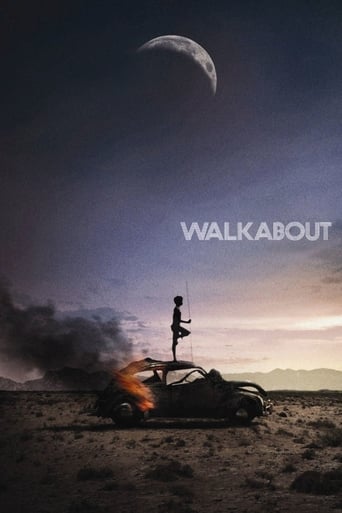
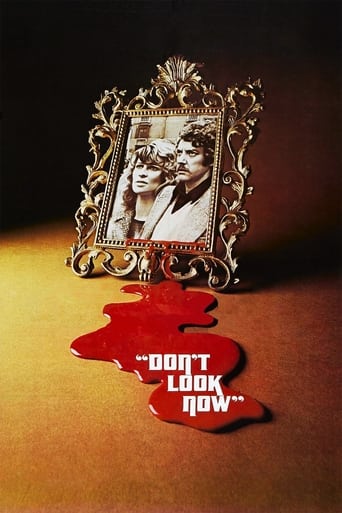
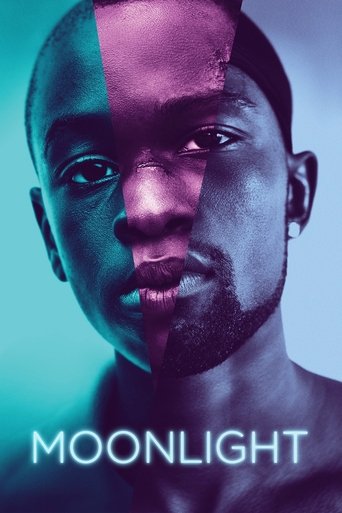
The films gathered here share a conviction that the person operating the camera is often the true author of a film's moral weather. Haskell Wexler's Medium Cool (1969) took that idea literally, sending a fictional story into the real streets of the 1968 Democratic Convention, where the camera's presence changed what it recorded. Nicolas Roeg came from the other direction, a cinematographer who became a director and never stopped thinking in cuts and juxtapositions; Walkabout (1971) and Don't Look Now (1973) are films whose meaning lives in the collision of images rather than in dialogue. James Laxton's work with Barry Jenkins on Moonlight (2016) shows the tradition continuing: a camera that holds a face long enough for silence to become a form of speech.
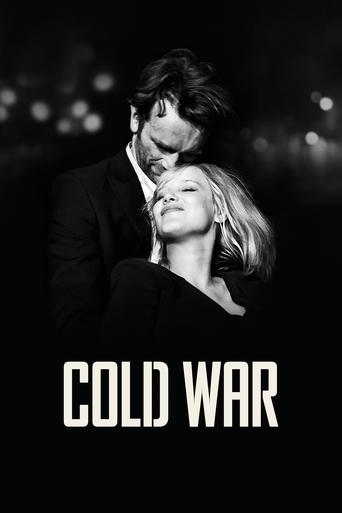
The European and Polish strand matters just as much, and Camerimage, the festival in Torun devoted entirely to the art of cinematography, has spent three decades insisting on it. Polish cinema has long treated the image as a site of political pressure, from the war-scarred landscapes of Andrzej Wajda to the moral chiaroscuro of Pawel Pawlikowski's Cold War (2018), where the frame's geometry carries the weight of a country's history. Fatherland belongs to that lineage: a road movie where the road is a border and the camera is the only reliable witness.
Begin with Fatherland, because it makes the stakes clear: image-making as a form of testimony. Then move backwards and sideways through films where the camera's eye is inseparable from the director's worldview. Wexler brings documentary urgency; Roeg brings associative montage; Laxton and Jenkins bring intimacy as a formal choice. The chain ends in the Polish and European tradition that Camerimage honours, where cinematography is not a craft in service of story but the story itself. Watch them in sequence and you stop asking what a film is about and start asking who is looking, and why.
Thomas Mann and his daughter Erika travel through occupied Germany in 1949, and the camera treats every ruin and checkpoint as a piece of evidence. A road movie where the landscape is the argument.
Fatherland → Medium Cool
The Link
Fatherland's camera watches a divided country; Wexler's camera enters one. Both films treat the act of filming as a political intervention, and Wexler's leap from shooting other directors' films to directing his own makes him the chain's founding figure.
Haskell Wexler, one of the great cinematographers, directed this fusion of fiction and documentary footage shot during the 1968 Chicago Democratic Convention. The camera becomes a character complicit in the violence it records.
Medium Cool → Walkabout
The Link
Where Wexler pushed the camera into a crowd, Roeg pulls it back into wilderness. Both came from cinematography, but Roeg shows that the eye can be turned inward: the outback becomes a mind, and the cuts do the thinking.
Nicolas Roeg's second film as director, after years as a cinematographer, follows two children stranded in the Australian outback. The editing and framing make the landscape a psychological force rather than a backdrop.
Walkabout → Don't Look Now
The Link
Walkabout's outback was a mind; Don't Look Now's Venice is a memory palace. Roeg deepens the argument that a cinematographer-director composes meaning in the edit, and the film's famous sex scene and final cut show how image can carry what dialogue cannot.
Roeg's Venice thriller is a masterclass in associative editing, where red coats, water and fractured time create dread before the plot explains it. Donald Sutherland and Julie Christie anchor the grief.
Don't Look Now → Moonlight
The Link
After Roeg's montage, Moonlight offers the opposite approach: stillness. Laxton's camera holds faces until silence becomes speech, showing that the cinematographer's authorship can be an act of tenderness rather than rupture.
Barry Jenkins and cinematographer James Laxton built the film's emotional architecture from colour, shallow focus and held close-ups. Three actors play Chiron, and the camera's patience makes each transition feel like a single continuous life.
Moonlight → Cold War
The Link
Moonlight found intimacy in colour and closeness; Cold War finds it in monochrome and distance. Both films use the frame's geometry to express what characters cannot say, and Pawlikowski's Polish backdrop returns the chain to the terrain of Fatherland.
Pawel Pawlikowski's black-and-white romance moves across postwar Poland and Europe, with Lukasz Zal's compositions turning each frame into a monument. Music and image carry a love story that politics keeps interrupting.
Cold War → Ida
The Link
Cold War's widescreen romanticism gives way here to a starker, more austere frame. Ida shows the same Polish tradition of image-making at its most compressed, where the placement of a head in the frame is a theological statement.
Pawlikowski's earlier film, shot by Ryszard Lenczewski and Lukasz Zal, follows a novice nun across 1960s Poland. The fixed, low-contrast compositions make every conversation a moral tableau.
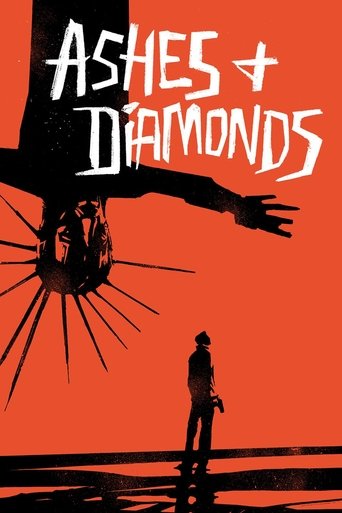
Ida → Ashes and Diamonds
The Link
Ida's austerity has roots here: Wajda and Wojcik made the Polish image a site of political pressure, and the film's chiaroscuro anticipates the moral darkness of Fatherland's ruined Germany. The chain closes where the tradition began.
Andrzej Wajda's landmark of the Polish Film School, with Jerzy Wojcik's photography turning a single night in 1945 into a study of violence and disillusion. Zbigniew Cybulski's performance is all nervous energy against the shadows.
Related Chains
Explore
Log in to leave a comment.
No comments yet.