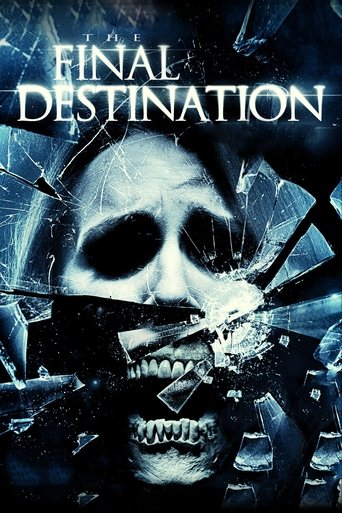
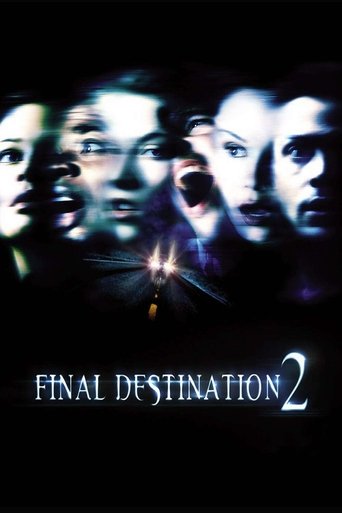
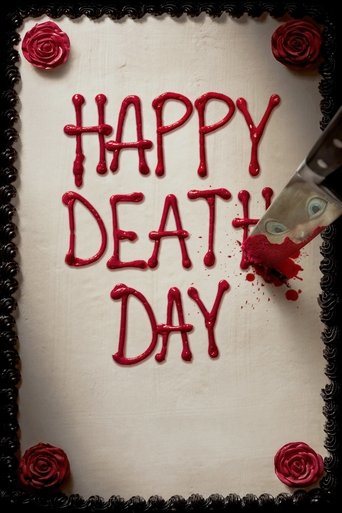
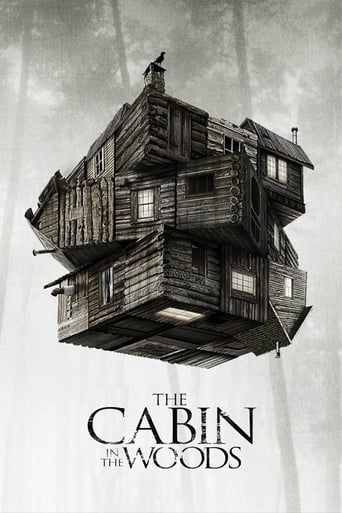
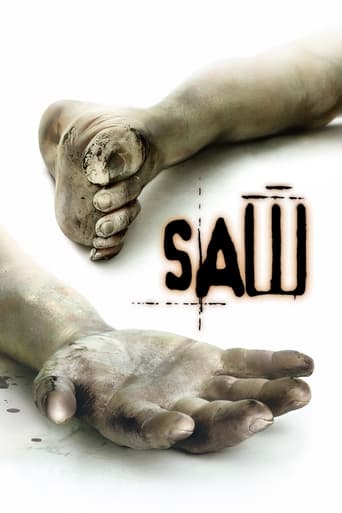
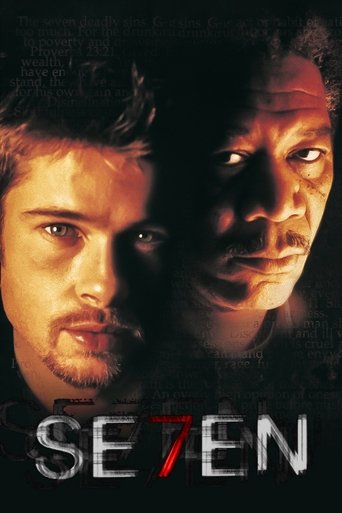
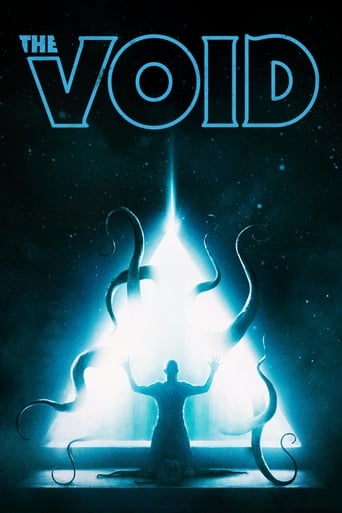
There is a particular joy in horror cinema that relishes the mechanics of mortality. It is not the simple fact of death that captivates, but the how: the elaborate Rube Goldberg of cause and effect, the balletic precision of a killer's craft, the cosmic joke that turns a mundane object into an instrument of fate. This chain of eight films celebrates that joy, tracing a line from the moralistic contraptions of the past to the nihilistic spectacles of the present.
We begin with a film that turned the death scene into a public spectacle, a carnival of punishment where each demise is a lesson in cause and consequence. From there, we follow the thread through the 1980s, when practical effects artists became the true auteurs, crafting deaths that were less about narrative logic and more about pure, visceral invention. These are films that understand the audience's craving for the impossible, the grotesque, and the unexpectedly beautiful.
But this is not merely a collection of gore. Each film in this chain uses its death sequences to articulate a worldview. Some see death as a cosmic joke, indifferent to human suffering. Others see it as a form of moral arithmetic, where every sin is tallied and punished with ghastly precision. Still others embrace death as pure spectacle, a celebration of the medium's capacity for shock and awe. As we move through the chain, the tone shifts from the playful to the bleak, from the carnivalesque to the existential.
What unites these films is a commitment to the craft of the kill. They are films that reward close attention, where the choreography of each death sequence is as carefully designed as any dance number. They are films that understand that death, in the right hands, can be the most memorable character of all. So step this way, and mind the gap between cause and effect. The floor is lava, the walls have teeth, and the universe is watching.