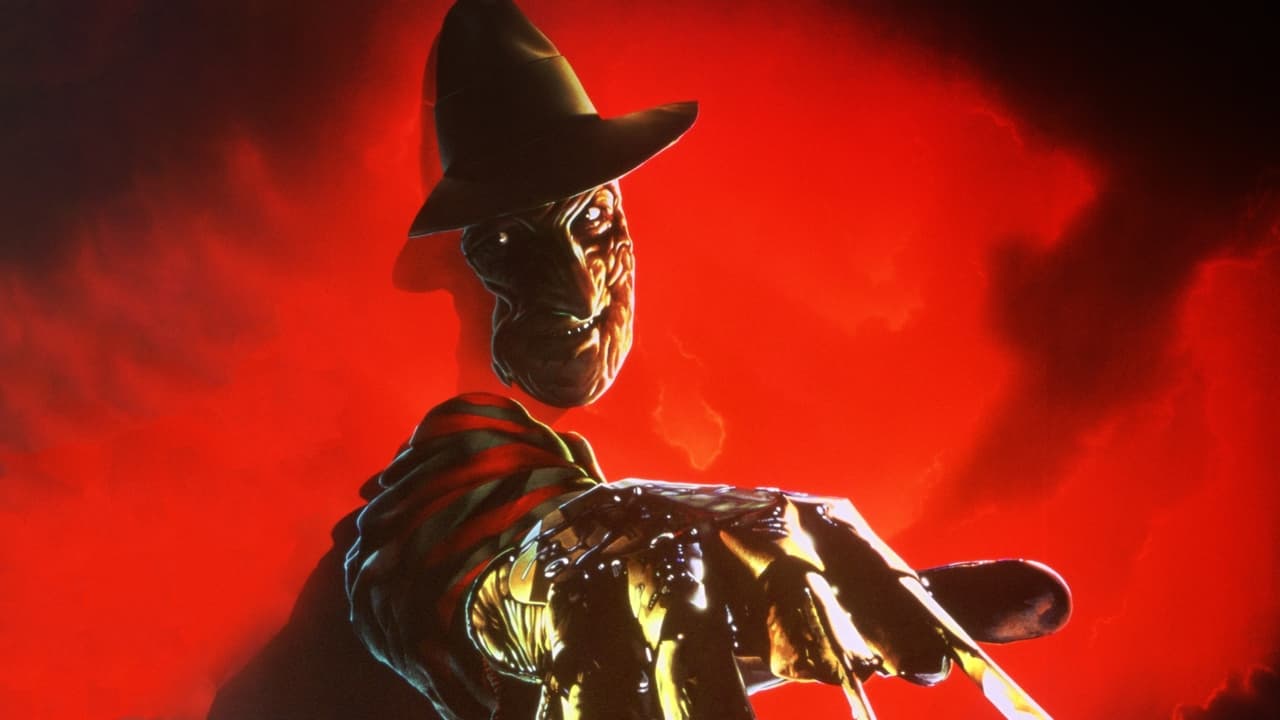
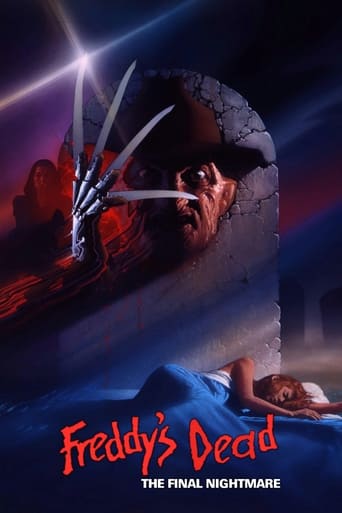
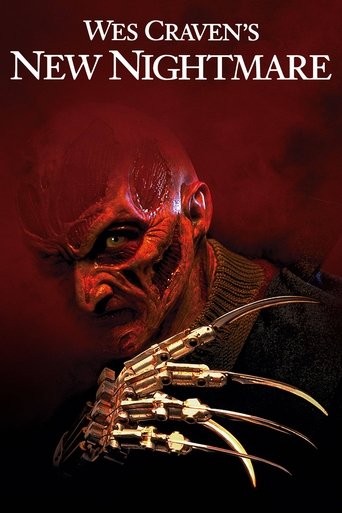
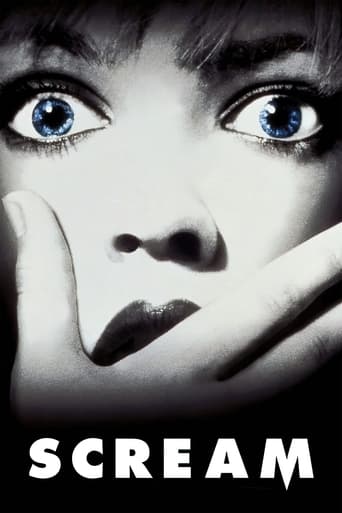
In 1991, Freddy's Dead: The Final Nightmare promised an ending. The sixth Nightmare on Elm Street film was marketed as the last word on the burned child-killer, a grand farewell complete with 3D gimmickry and a cameo from Johnny Depp. Yet the film's closing moments, with Freddy's glove yanked into the underworld by the souls of his victims, felt less like a full stop and more like a comma. The bogeyman, horror had learned by then, does not die quietly. He waits for a sequel, a remake, a requel, a chance to reshape himself for a new generation.
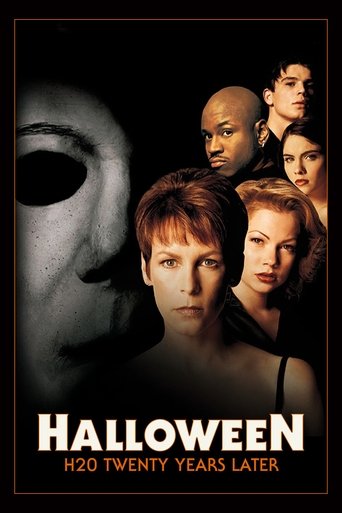
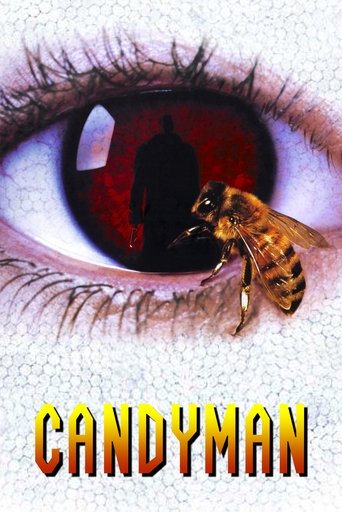
This chain follows that shapeshifting monster across the franchises that keep him breathing. It starts with Freddy's Dead, a film often dismissed as a tired entry, but one that reveals the commercial and creative pressures that force horror icons to evolve. From there, the journey moves through the self-aware reinvention of Scream, the mythic reboot of Halloween H20, and the social-conscious resurrection of Candyman. Each stop shows a different survival strategy: parody, legacy, nostalgia, and political allegory.
What emerges is a portrait of horror as a living organism, feeding on audience memory and cultural anxiety. The films here are not just sequels; they are negotiations with the past, attempts to make old monsters relevant again. Some succeed brilliantly, others stumble, but all share a restless energy that defines the genre's most enduring creations.
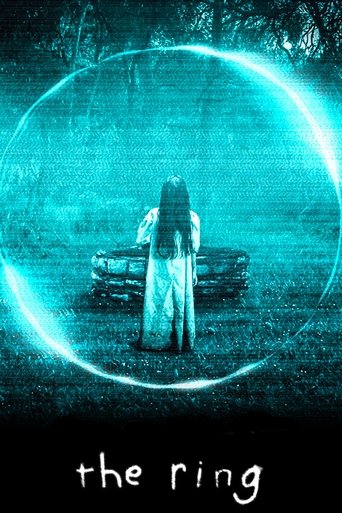
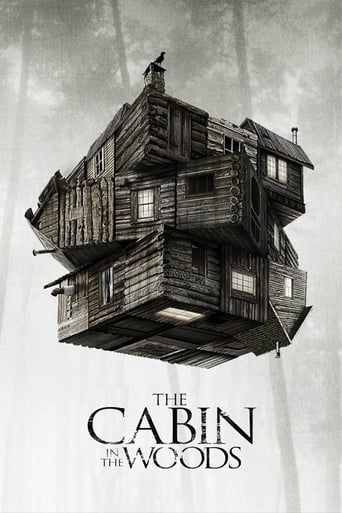
The chain also honours the lesser-known corners of this tradition: a British chiller that reimagines the haunted house, a Japanese ghost story that crosses cultures, and a meta-commentary that turns fandom into fuel. These films remind us that the bogeyman is not confined to one studio or one country. He speaks every language, wears every mask.
Ultimately, this is a story about endings that are never really endings. Freddy's Dead may have been marketed as a finale, but it opened a door. The films that follow walk through it, proving that in horror, the final chapter is just the next beginning.