There is a particular thrill in watching a film that understands gothic horror is not about the scare, but the shiver. It is the slow creep of shadow across a tapestry, the echo of a footstep in a stone corridor, the weight of a velvet curtain that seems to breathe. This chain is a journey through that sensibility, anchored by the enduring influence of Edgar Allan Poe and his literary kin, and it begins with a film that, fifty years on, still feels like a fever dream.
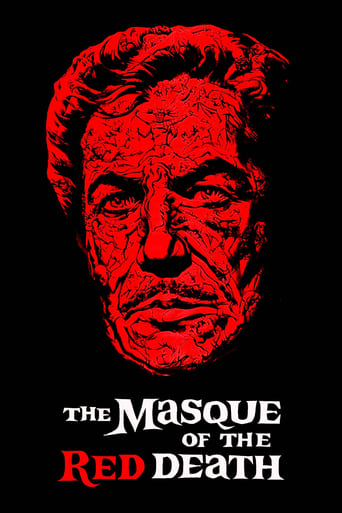
Our starting point is Roger Corman's The Masque of the Red Death (1964), a film that turns Poe's allegorical tale into a riot of saturated colour and existential dread. Vincent Price, at his most imperious, plays Prospero, a prince who walls himself off from the plague, only to find that death is the ultimate gatecrasher. Corman, working with the great cinematographer Nicolas Roeg, abandons the usual gothic monochrome for a palette that is almost hallucinogenic: the red of the final masque is not a colour but a statement. It is a film about the vanity of power and the inevitability of decay, and it sets the tone for everything that follows.
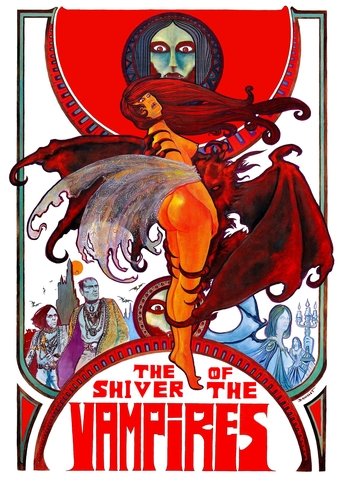
From Corman's Poe, we move to the other side of the Atlantic, to the dreamlike terrors of Jean Rollin's The Shiver of the Vampires (1971). Here, the gothic is not literary but surreal, a landscape of ruined abbeys and undead brides. Rollin's vampires are not monsters but tragic figures, trapped in a ritual of blood and desire. The film's psychedelic interludes and baroque set design push the gothic into the realm of the avant-garde, showing how the genre can mutate while retaining its core: a fascination with death, beauty, and the forbidden.
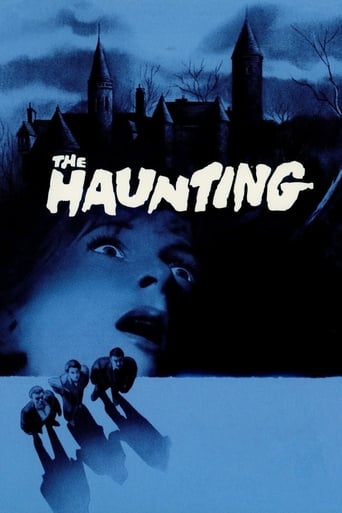
Our journey then takes a turn towards the psychological, with Robert Wise's The Haunting (1963), a film that proves the most terrifying spaces are those we create in our own minds. Based on Shirley Jackson's novel, it is a masterclass in suggestion, using sound and shadow to conjure a malevolence that is never fully seen. The performances of Julie Harris and Claire Bloom are studies in vulnerability and repression, and the film's famous 'pounding' scene remains a benchmark of atmospheric horror. It is a reminder that the gothic is not always about castles and capes; sometimes it is about the creaking of a house and the whispers of our own anxieties.
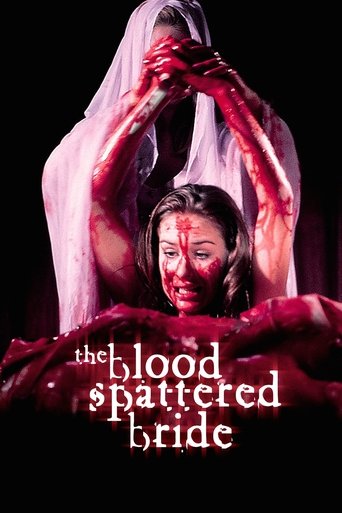
From the haunted corridors of Hill House, we descend into the decadent underworld of The Blood Spattered Bride (1972), a Spanish film that takes the vampire myth and drenches it in eroticism and surreal violence. Directed by Vicente Aranda, it is a loose adaptation of Sheridan Le Fanu's Carmilla, and it shares with Rollin's work a willingness to embrace the grotesque and the poetic. The film's imagery is striking, from the white dresses stained with blood to the underground crypt where the brides await. It is a film that feels like a nightmare you cannot shake, and it demonstrates how the gothic can be a vehicle for transgressive desires.
To balance the excesses of the European avant-garde, we return to the classical with James Whale's The Bride of Frankenstein (1935). This is the gothic as it was meant to be: theatrical, witty, and deeply humane. Boris Karloff's monster is a figure of pathos, and Elsa Lanchester's brief but iconic appearance as the bride is a moment of pure cinema. Whale's film is a sequel that surpasses its predecessor, infusing the horror with a dark humour and a sense of tragic romance. It is a reminder that the gothic is not merely about darkness, but about the light that flickers within it.
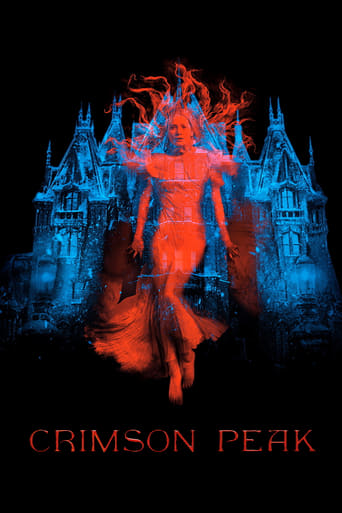
Our penultimate stop is a more recent gem, Guillermo del Toro's Crimson Peak (2015), a film that wears its gothic influences on its sleeve. Del Toro, a lifelong devotee of the genre, crafts a love letter to the haunted house stories of the past, complete with a decaying mansion, a dark family secret, and a heroine who must confront the ghosts that literally walk the halls.
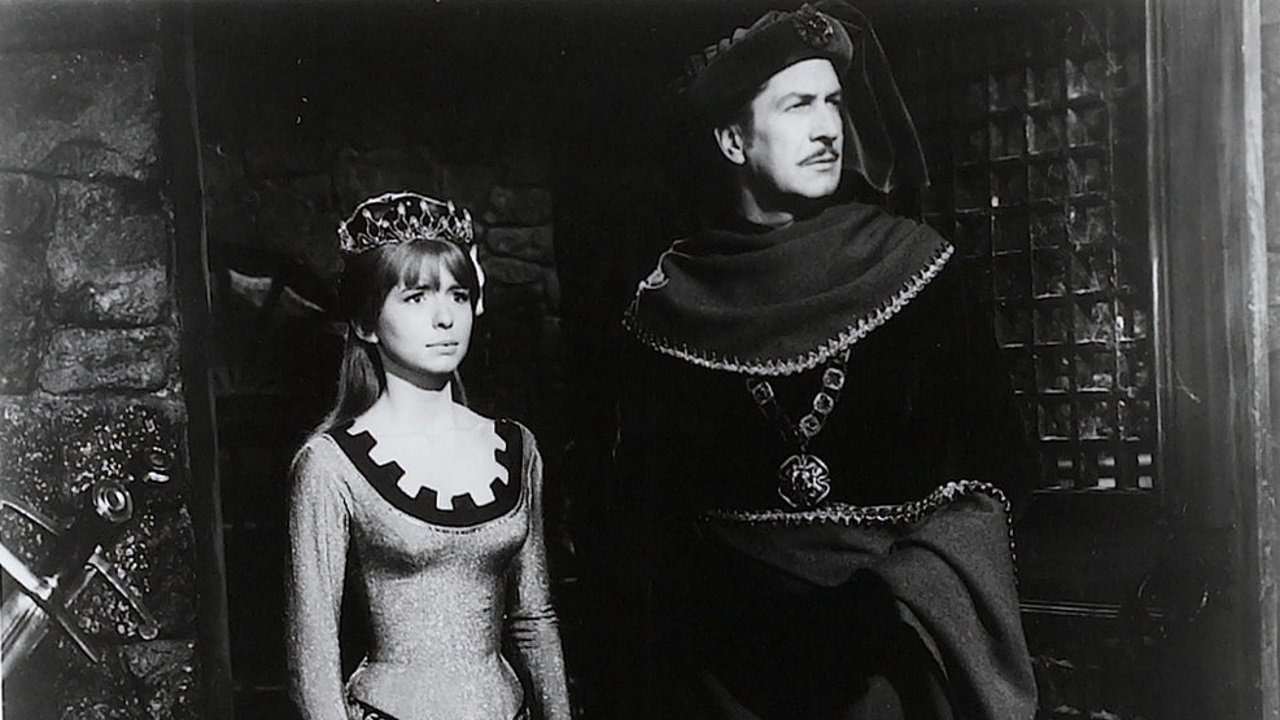
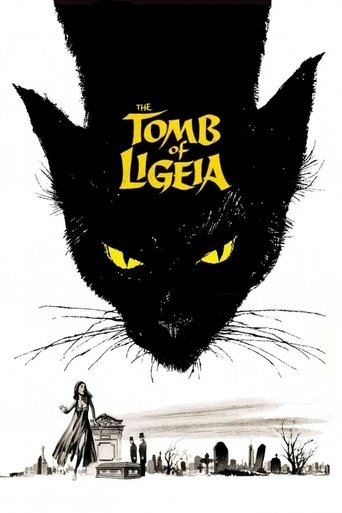
Finally, we end where we began, with the master of the macabre himself, in a lesser-known adaptation that deserves rediscovery. The Tomb of Ligeia (1964) is the last of Corman's Poe cycle, and it is perhaps the most personal. Vincent Price returns, but this time his character is not a villain but a tormented widower, obsessed with the memory of his dead wife. The film is notable for its use of natural light and its eerie cat, and it features a performance from Price that is more subdued and introspective than his usual theatricality. It is a fitting conclusion to a journey that has explored the many faces of gothic horror, from the allegorical to the surreal, from the psychological to the romantic. Together, these eight films form a chain of shadows, each link connected by a shared love for the darkly beautiful and the beautifully dark.