The Discipline of Violence, the Composure of Men

Michael Mann's own mishap at a gun range is a wry reminder that his films are obsessed with professionals who rehearse violence and still get it wrong. Eight films about professionals who rehearse their violence and keep their faces still, from Michael Mann's Los Angeles to Melville's Paris by night.

· ·

Michael Mann's own mishap at a gun range is a wry reminder that his films are obsessed with professionals who rehearse violence and still get it wrong.

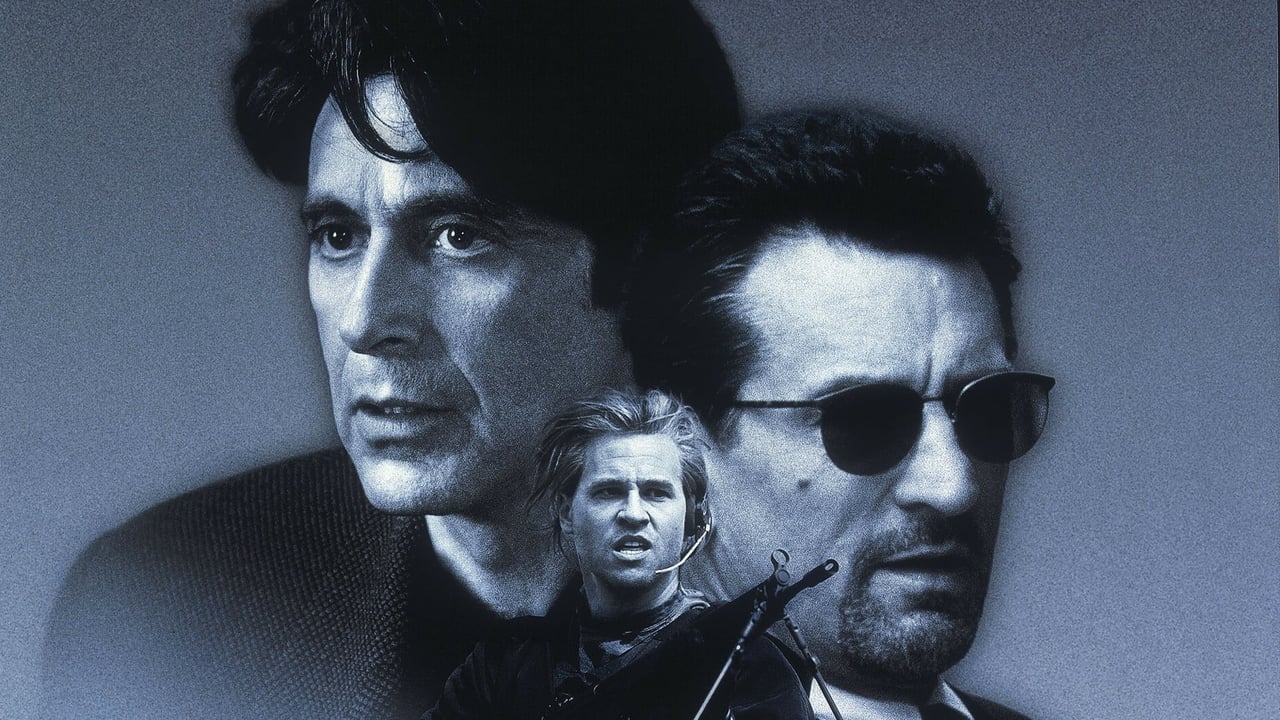
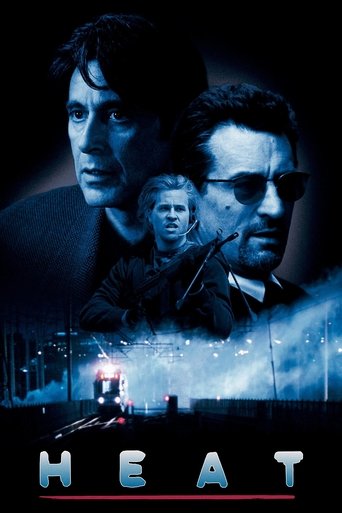
Mann's Heat arrived in 1995 with a diner scene that has become its own shorthand: two men across a table, neither raising his voice, both entirely willing to kill the other by morning. What makes the film endure is not the shootout on Flower Street, magnificent as it is, but the rehearsal underneath it. Neil McCauley and Vincent Hanna are craftsmen. They plan, they drill, they strip their lives of anything they cannot walk away from in thirty seconds. Violence, in Mann's Los Angeles, is a professional discipline, and composure is the mask that discipline wears.

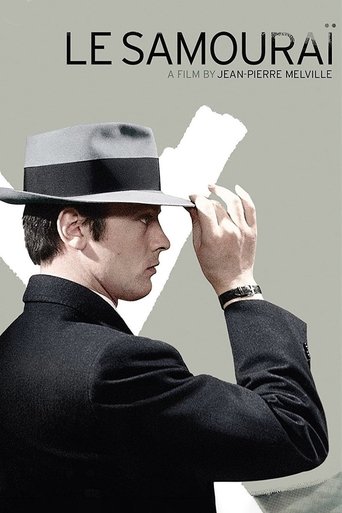
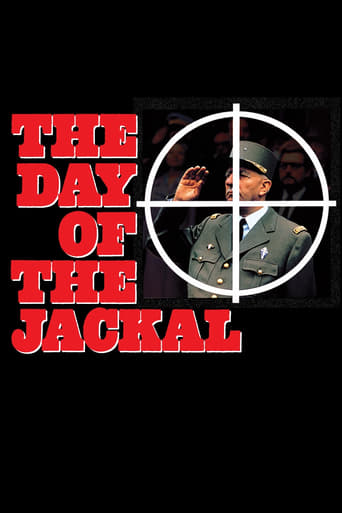
That idea has a longer lineage than the 1990s heist picture, and this chain traces it backwards and sideways. Jean-Pierre Melville's Le Samourai gives it a ritual form, a man in a trench coat adjusting his hat before a hit; Fred Zinnemann's The Day of the Jackal gives it procedure, an assassin whose genius is admin. Both films understand that the rehearsal is the drama, and that a professional's stillness is more frightening than any outburst.

The detours matter as much as the landmarks. The Insider takes Mann's procedural eye away from guns entirely and finds the same tension in a man preparing testimony, in the long, careful calibration of a television interview. Collateral moves the same discipline into a taxi at night, where a contract killer's calm is the most unsettling thing on screen. Around them sit films about men and women who rehearse their own deaths or disappearances, from Jean-Pierre Melville's later Paris to the quiet preparations of a British thriller. Watch them in this order and the diner conversation starts to feel less like a summit and more like a family reunion.
Heat
1

Heat

1995 · dir. Michael Mann · 170 min · TMDB 7.9

Mann's Los Angeles is a city of professionals, and the film's great achievement is making two men on opposite sides of the law feel like the same species. The diner scene and the bank shootout are the famous set pieces, but the film's real subject is the rehearsal: the drills, the exits, the lives pared down to what can be abandoned.

Heat → Le Samouraï

The Link

Heat's McCauley is a professional who plans his exits; Melville's Costello is the same man reduced to ritual. Watching them back to back shows how much of Mann's cool composure was borrowed from the French crime film, and how much more austere it can get.

Le Samouraï
2

Le Samouraï

1967 · dir. Jean-Pierre Melville · 105 min · TMDB 7.8

Alain Delon's Jef Costello is a killer with a code so exact it looks like a religion. Melville strips the film to gestures, a hat brim, a key, a bird in a cage, and finds in that austerity a fatalism that Heat only hints at.

Le Samouraï → The Day of the Jackal

The Link

Where Melville gives the professional a code, Zinnemann gives him a schedule. The Jackal is the logical next step from Costello: a killer whose rehearsal is administrative, and whose composure is almost bureaucratic. It broadens the chain from fatalism to method.

The Day of the Jackal
3

The Day of the Jackal

1973 · dir. Fred Zinnemann · 143 min · TMDB 7.5

Zinnemann's adaptation of Frederick Forsyth's novel is a procedural about an assassin who is never named and never hurried. The film's tension comes from paperwork, disguises and timetables, and from the quiet satisfaction of a job done with terrible competence.

The Day of the Jackal → The Insider

The Link

After the Jackal's timetables, The Insider shows that rehearsal is not only for killers. Mann's camera watches Russell Crowe's chemist prepare to speak with the same attention he gave to a bank job, and the result is a different kind of professional composure: moral rather than lethal.

The Insider
4

The Insider

1999 · dir. Michael Mann · 158 min · TMDB 7.5

Mann turns the same procedural eye on a whistleblower and a television producer preparing an interview. The tension is in the preparation, the legal threats and the long, careful calibration of a man deciding what to say on camera.

The Insider → Collateral

The Link

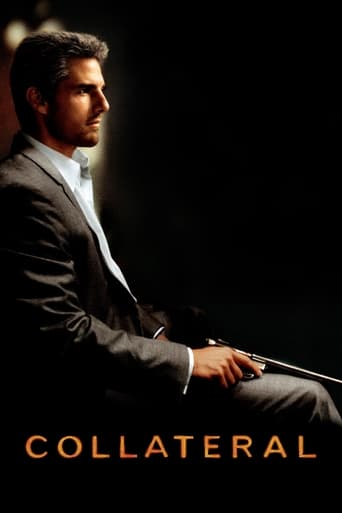
The Insider took Mann's discipline into a television studio; Collateral brings it back to the street, but at night and in a taxi. Cruise's killer is the descendent of Delon's samurai and the Jackal, a man whose composure is the only thing keeping the night organised.

Collateral
5

Collateral

2004 · dir. Michael Mann · 120 min · TMDB 7.3

A contract killer hires a taxi for the night and turns Los Angeles into a series of appointments. Tom Cruise's Vincent is all calm efficiency, and Mann's digital night photography makes the city feel like a rehearsal space with the lights down.

Collateral → Le Cercle Rouge

The Link

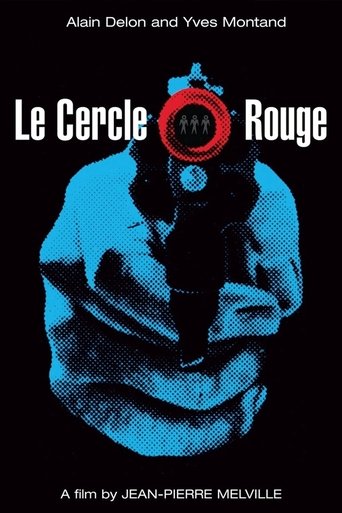
Collateral's night-city fatalism leads naturally back to Melville, but this time to the heist rather than the hit. Le Cercle Rouge expands the chain's interest in rehearsal from the single professional to a crew, and its long, wordless robbery sequence is the ancestor of Mann's bank job in Heat.

Le Cercle Rouge
6

Le Cercle Rouge

1970 · dir. Jean-Pierre Melville · 140 min · TMDB 7.6

Melville's heist film is a masterpiece of silent preparation, with Alain Delon and Gian Maria Volonte moving through a jewellery robbery that plays out almost without dialogue. The film's famous code, that all men are guilty, hangs over every careful gesture.

Le Cercle Rouge → The Long Good Friday

The Link

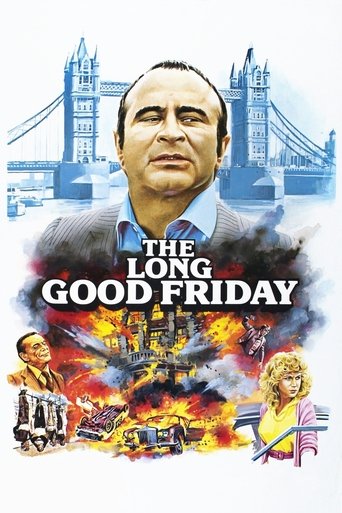
Le Cercle Rouge's crew operates in a closed, ritualised world; The Long Good Friday drags the same professional violence into the messy, political reality of London's docklands. Hoskins's Shand is a rehearser too, a man who has planned his legitimacy, and the film shows the cost when the plan fails.

The Long Good Friday
7

The Long Good Friday

1980 · dir. John Mackenzie · 114 min · TMDB 7.2

Bob Hoskins's London gangster Harold Shand is a man whose composure is a performance of respectability, and the film's power comes from watching that performance crack under pressure. John Mackenzie's thriller is a study in professional violence as a business, and in what happens when the business stops behaving.

The Long Good Friday → Pickpocket

The Link

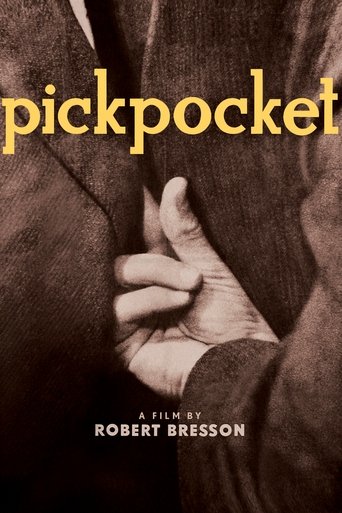
After The Long Good Friday's noisy collapse, Pickpocket returns to the quiet centre of the chain: the rehearsal itself. Bresson's thief is the purest example of the professional whose skill is a form of self-possession, and his hands, like McCauley's, are always preparing the next move.

Pickpocket
8

Pickpocket

1959 · dir. Robert Bresson · 75 min · TMDB 7.3

Robert Bresson's thief is a professional of the hands, and the film's famous pickpocketing sequences are rehearsed with the precision of a ballet. Bresson strips away psychology to show the discipline itself, and the result is a film about composure as a kind of grace.

Where this chain leads

Log in to leave a comment.

No comments yet.