When the Party Turns Lethal

From Carrie's blood-soaked prom to the dance floors of Suspiria, a tour of cinema's most dangerous celebrations.

· ·

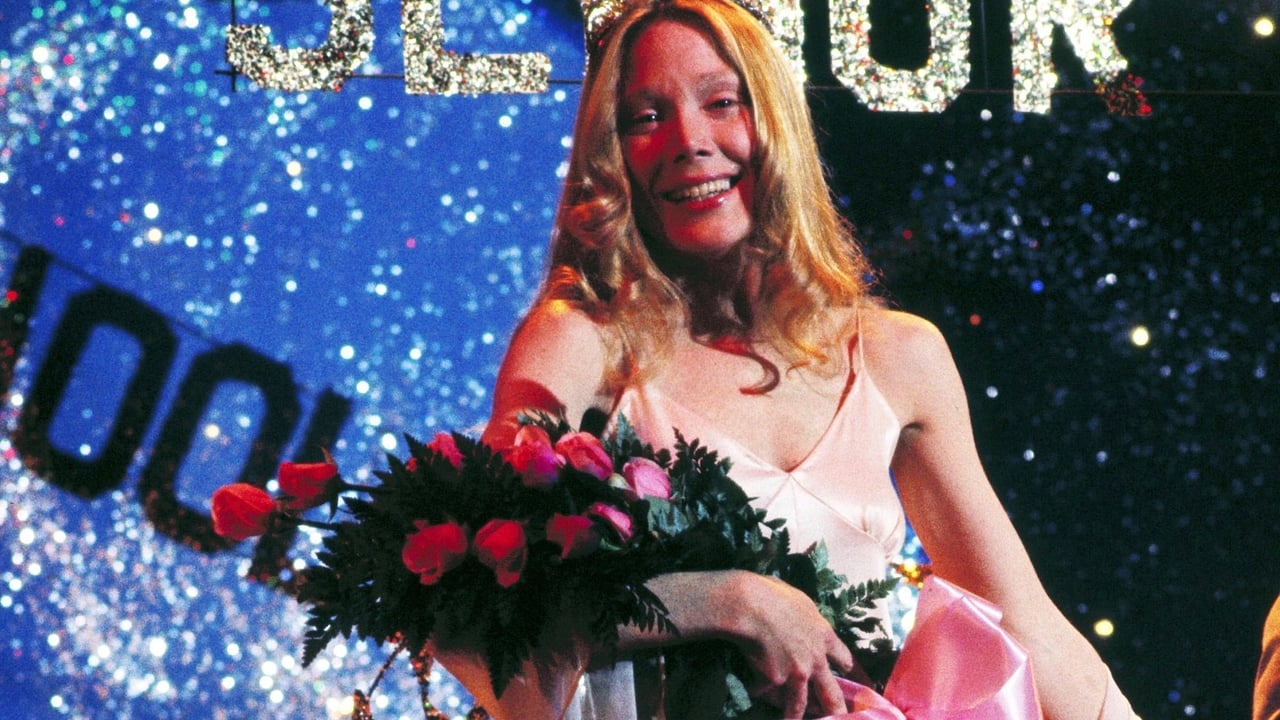
Brian De Palma's Carrie (1976) is the ur-text of the social ritual turned nightmare. The prom is meant to be the night Carrie White finally belongs, and De Palma films it with a dreamy, slow-motion tenderness: the corsage, the punch, the swaying couple, all of it scored to Pino Donaggio's aching strings. Then the bucket tips. The split-screen carnage that follows is not just a special effect; it is a moral verdict on the ritual itself, on the way communal celebration can be a machine for exclusion. Fifty years on, the film's central insight still stings: the most terrifying thing about a party is the people throwing it.

This chain follows that insight through De Palma's own filmography and out into a wider European and British tradition. The director's other set pieces, from the museum chase in Dressed to Kill to the sound-stage finale of Blow Out, refine his obsession with spectacle as a trap: the audience is invited to look, and the looking is the danger. Lindsay Anderson's If.... takes the same logic into the English boarding school, where ritualised cruelty is the curriculum and the final act of violence is a blackly comic release. Then comes Suspiria, where a dance academy becomes a slaughterhouse and the choreography itself is a weapon.

The chain closes in British social realism, where horror grows from class and community rather than the supernatural. These are films about pubs, estates and holiday camps where the group turns on the individual, and the violence is all the more chilling for being entirely plausible. What unites the sequence is a suspicion of collective joy: the prom, the dance, the school assembly, the village fete. Each film asks who is invited, who is excluded, and what happens when the music stops.

Watched in order, these eight films map a geography of dread that moves from American high school to Italian ballet academy to the English seaside. The through-line is not simply violence but choreography: the way bodies are arranged, watched and punished. De Palma's split-screen is a choreographic device as much as a narrative one, and Anderson's slow-motion beatings have the rhythm of a dance. By the time the chain reaches its British finales, the horror is no longer supernatural at all. It is simply the way people treat each other when they think no one is watching. That is the real catastrophe, and it is always communal.
Carrie
1

Carrie

1976 · dir. Brian De Palma · 98 min · TMDB 7.3

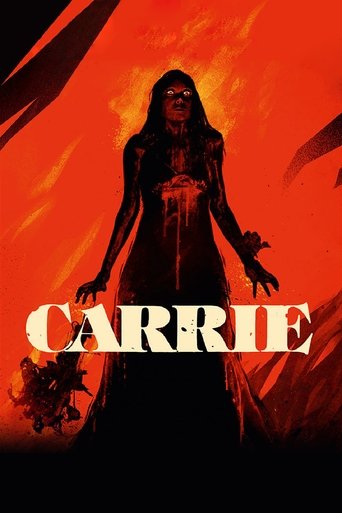
Sissy Spacek's Carrie is a study in tremulous hope, and Piper Laurie's mother is a gargoyle of religious mania. The prom sequence, with its split-screen frenzy and Donaggio's shrieking score, remains one of cinema's great set pieces.

Carrie → Dressed to Kill

The Link

De Palma refines the split-screen grammar of Carrie into a more clinical study of spectatorship: here the ritual is the art gallery and the pickup, and the violence is just as theatrical.

Dressed to Kill
2

Dressed to Kill

1980 · dir. Brian De Palma · 105 min · TMDB 6.9

De Palma's erotic thriller turns a museum visit and a subway ride into exercises in pure suspense, with Angie Dickinson's performance anchoring the film's icy elegance.

Dressed to Kill → Blow Out

The Link

The prom's public spectacle becomes a civic parade, and De Palma's obsession with recording and replaying violence reaches its most melancholy form.

Blow Out
3

Blow Out

1981 · dir. Brian De Palma · 108 min · TMDB 7.3

John Travolta is a sound man who records a political assassination, and the film's Liberty Day parade finale is a masterclass in cross-cut chaos.

Blow Out → if....

The Link

Anderson takes the communal ritual of the school assembly and turns it into a pressure cooker, echoing De Palma's interest in institutions that stage their own violence.

if....
4

if....

1968 · dir. Lindsay Anderson · 112 min · TMDB 7.0

Lindsay Anderson's boarding-school satire builds from surreal vignettes of bullying and repression to an armed uprising, with Malcolm McDowell's blank sneer at its centre.

if.... → Suspiria

The Link

The school ritual becomes a witches' sabbath: Argento's dance academy is the logical extreme of the prom as a place where bodies are displayed and destroyed.

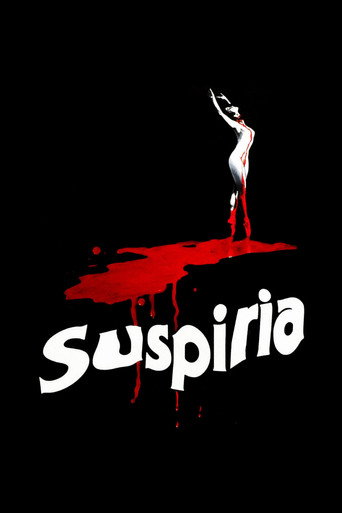
Suspiria
5

Suspiria

1977 · dir. Dario Argento · 99 min · TMDB 7.4

Dario Argento's ballet academy is a fever dream of saturated colour and Goblin's prog-rock score, with dance sequences that feel like autopsies.

Suspiria → Peeping Tom

The Link

Powell connects the Italian horror to British soil, making the camera itself the ritual object and the audience complicit in the spectacle.

Peeping Tom
6

Peeping Tom

1960 · dir. Michael Powell · 101 min · TMDB 7.4

Michael Powell's notorious thriller casts Karlheinz Böhm as a focus puller who films his victims, turning the act of looking into a form of murder.

Peeping Tom → The Wicker Man

The Link

The dance-hall dread of Suspiria becomes a village festival: here the communal celebration is explicitly a sacrifice, and the outsider is the offering.

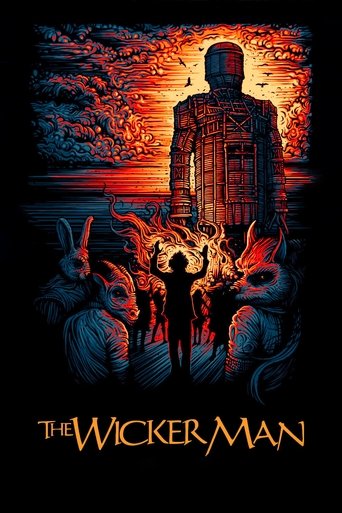
The Wicker Man
7

The Wicker Man

1973 · dir. Robin Hardy · 93 min · TMDB 7.3

Robin Hardy's folk horror classic strands a Christian policeman on a pagan island where the community's songs and ceremonies conceal a terrible purpose.

The Wicker Man → Kill List

The Link

Wheatley drags the folk-horror ritual into the suburban present, closing the chain with a celebration that is also an execution, and a family that is also a cult.

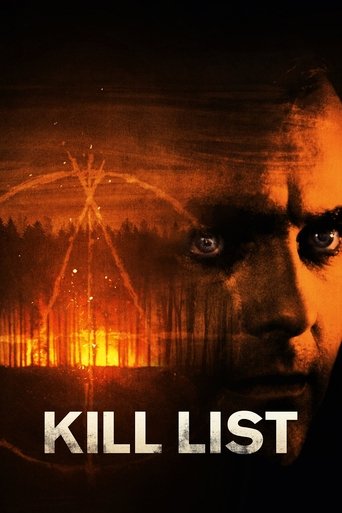
Kill List
8

Kill List

2011 · dir. Ben Wheatley · 95 min · TMDB 6.2

Ben Wheatley's hitman drama descends from domestic realism into a hallucinatory finale of masked ritual and family terror.

Where this chain leads

Log in to leave a comment.

No comments yet.